Tips for Training Pets in Urban Environments: Overcoming Challenges
Understanding Urban Pet Training Challenges
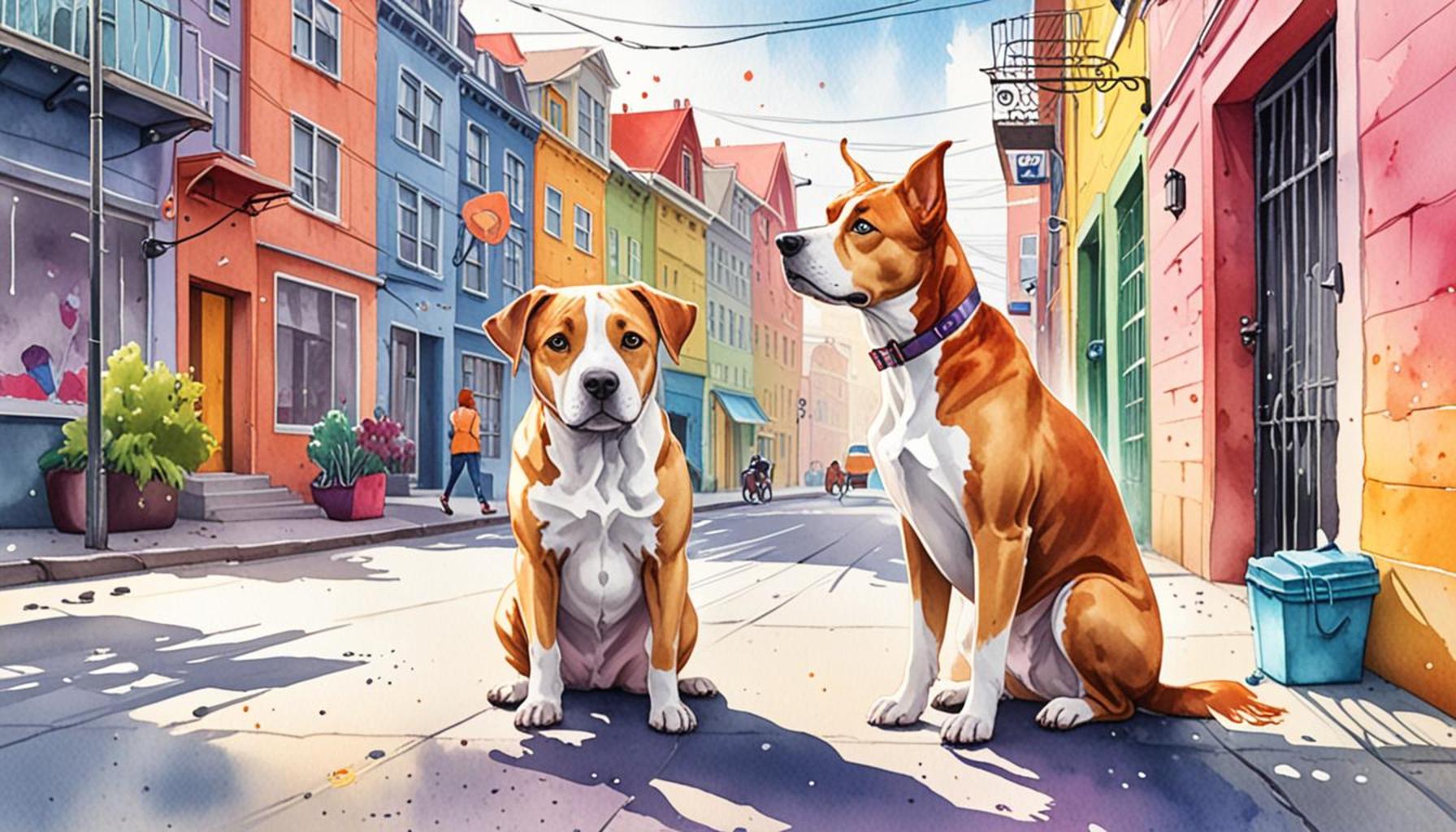
Training pets in cities like Lagos or Abuja is a distinct experience that demands careful consideration and adaptation from pet owners. In these bustling metropolises, the challenges posed by urban life are manifold, affecting how pets behave and how owners can effectively communicate with them. However, addressing these issues with the right strategies not only enhances training but fosters a deeper bond between pet and owner.
Noise Pollution
Noise pollution is a prominent feature of urban living, creating a cacophony of sounds from traffic, street vendors, and construction activities. This constant barrage can lead pets, especially dogs, to develop anxiety or even fearfulness. For example, a dog may struggle to focus on basic commands if distracted by honking horns or shouting market sellers. To counteract this, owners can expose their pets to these sounds gradually, using treats or affection to create a positive association with what they initially perceive as threatening. Techniques such as desensitization can prove effective; by slowly introducing a pet to these noises in a controlled environment, they can learn to remain calm even in chaos.
Limited Space
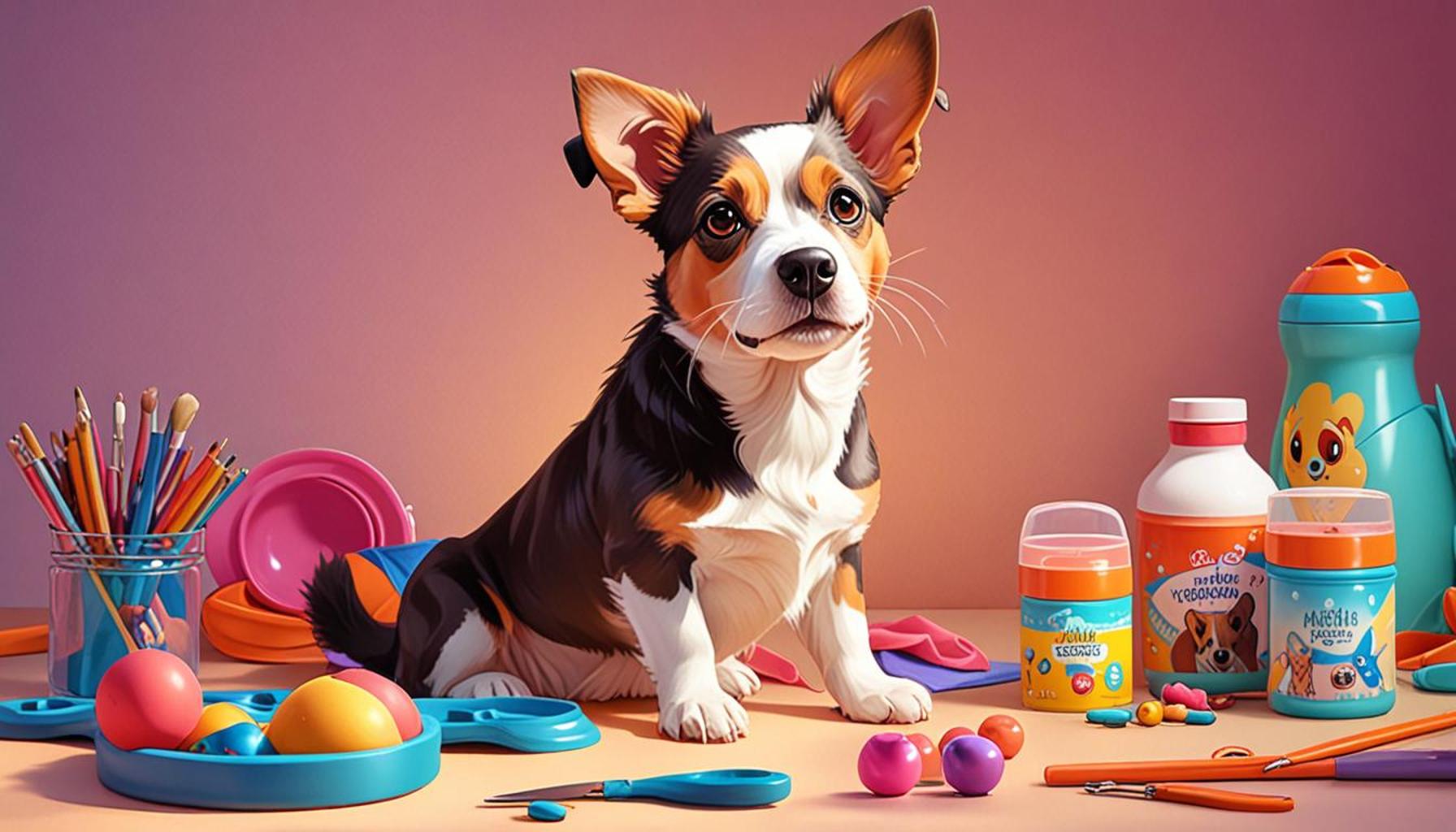
Living in tight quarters poses another obstacle. Many urban pet owners reside in apartments where space for play and exercise is limited. This restriction can lead pets, particularly high-energy breeds, to exhibit undesirable behaviors due to pent-up energy. Integrating structured indoor activities can help mitigate this issue. For example, engaging pets with toys, obstacle courses, or puzzle games designed for indoor play can keep them stimulated and prevent destructive behavior. Moreover, making the most of short visits to parks or open spaces when time allows can also provide adequate outlets for physical activity.
Socialization
Socialization is vital, particularly in urban settings where pets encounter a myriad of different stimuli and other animals. Nigerian cities are filled with diverse lifestyles—from children playing on the streets to other dogs in bustling parks. While such exposure can enrich a pet’s social skills, it can also be overwhelming. Training sessions can therefore be designed around these experiences: for instance, enjoying leisurely walks in busy markets while exposing pets to the vibrant chaos can help them adjust to life outside the home. When training in these situations, implementing short, positive training sessions with high-value treats can encourage desirable behavior amidst distractions.
Navigating these urban challenges is an ongoing process. Urban pet owners in Nigeria can turn the hectic pace of city life into a learning experience for their pets, cultivating adaptability and resilience. By employing effective techniques and remaining patient, owners can ensure that their pets thrive amid the bustling environment. This journey not only enhances a pet’s skills and behaviors but also contributes to a happier, harmonious coexistence within the vibrant urban landscape.
Practical Strategies for Effective Urban Pet Training
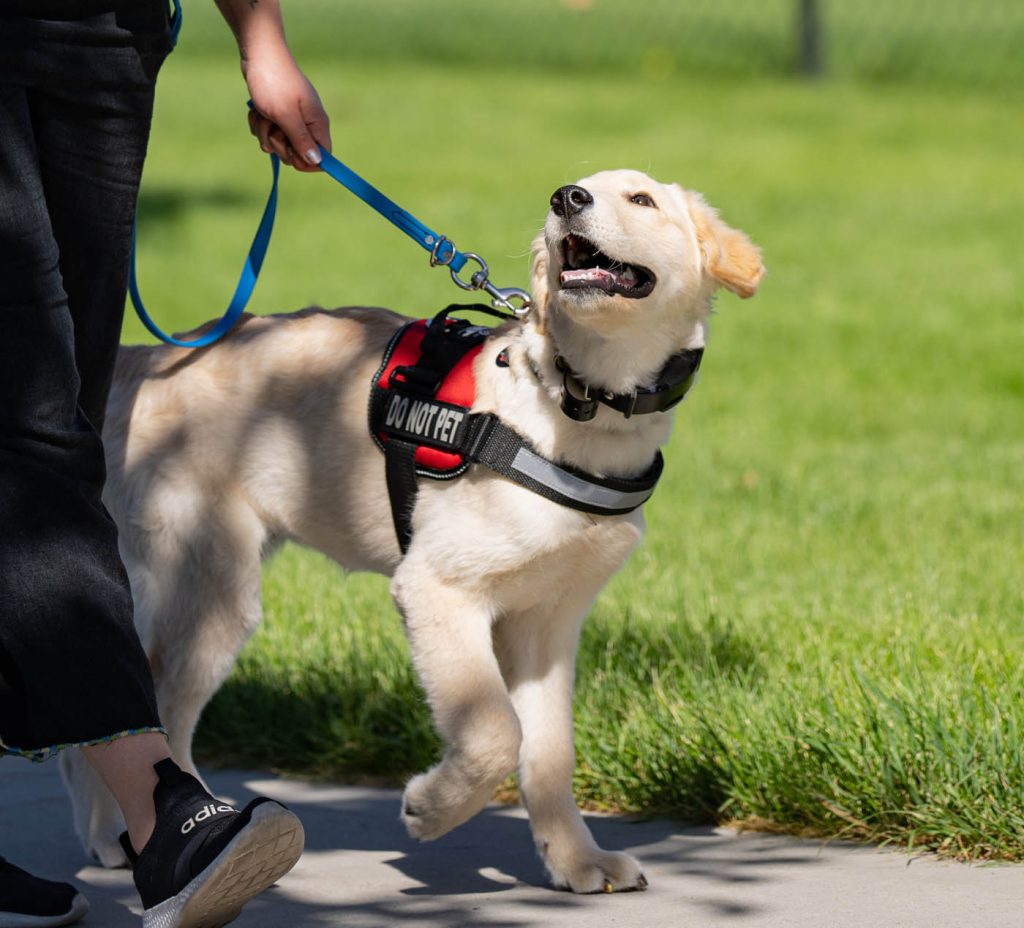
Training pets amid the hustle and bustle of Nigeria’s urban landscapes can indeed pose several challenges; however, with a few practical strategies, pet owners can turn these obstacles into enriching experiences for both themselves and their four-legged friends. Urban environments demand creative solutions tailored to the unique circumstances of city life. Here are some tips that can lead to effective pet training in challenging urban settings.
Establishing a Routine
Consistency is a cornerstone of effective training. In the chaotic rhythm of city life, establishing a daily routine can provide structure for pets. Whether it’s setting specific times for walks, meals, or training sessions, this predictability helps pets understand what to expect and when. Owners should aim to stick to routines as closely as possible, even amidst busy schedules. Consider incorporating the following elements into daily routines:
- Scheduled Exercise: Frequent short walks are better than infrequent longer outings, especially in busy neighborhoods.
- Designated Training Times: Set aside 10-15 minutes each day for focused training to reinforce commands and behaviors.
- Positive Reinforcement: Always use treats or praises immediately after their good behavior to associate commands with rewards.
Utilizing Available Resources
Urban pet owners should exploit the resources available in their environments to aid in training. Numerous parks, pet clubs, and communities provide opportunities for engagement and socialization. Local dog trainers and behavioral specialists are also often available, offering invaluable insights tailored to the unique challenges of city living. Observing other pet owners and their training techniques can add to your repertoire of strategies. Importantly, participating in community dog-training classes can offer both socialization for pets and vital training guidance for owners.
Managing Indoor Challenges
When outdoor space is limited, it’s essential to focus on indoors training. Pets need mental stimulation and a chance to expend energy even when confined to small living quarters. The following activities can help keep pets engaged and reduce anxiety:
- Interactive Toys: Toys that dispense treats can stimulate your pet’s mind, making them work for rewards.
- Agility Challenges: Create makeshift obstacle courses using household items like chairs, cushions, and boxes for mental and physical activity.
- Training Games: Games such as hide and seek can be both entertaining and educational, allowing pets to learn while having fun.
By implementing these practical tips and adapting training techniques to urban settings, pet owners can overcome the inherent challenges of city life. Embracing the urban environment’s unique characteristics not only enhances training outcomes but also enriches the relationship between pets and their owners. With patience, creativity, and consistency, owners can cultivate happy, well-adjusted pets who thrive in bustling cities like Lagos and Abuja.
Training pets in urban environments presents unique challenges that require tailored strategies. The noise, hustle, and bustle of city life can be overwhelming for animals that might not be accustomed to such stimuli. Here are some effective tips to help you navigate these challenges:Firstly, desensitization plays a crucial role. Introduce your pet gradually to common urban sounds like traffic, construction, and crowds. Start from a distance where the sounds are less intense, allowing your pet to grow accustomed to them over time. This method can significantly reduce anxiety and improve focus during training sessions.Next, leverage positive reinforcement techniques. In an urban setting, distractions abound, from other animals to people and urban wildlife. Use treats and praise to reward your pet for maintaining focus and following commands despite these distractions. This not only encourages good behavior but also helps in building a stronger bond between you and your pet.Additionally, consider short training sessions tailored to your pet’s attention span and the environment’s distractions. Frequent, brief sessions can be more effective than longer ones, especially in a busy urban landscape. Aim for 5 to 10-minute intervals, gradually increasing duration as your pet becomes more comfortable.Another effective strategy is to establish a designated training area. Whether it’s a quiet park or a less busy corner of your neighborhood, having a specific location can help your pet associate that space with training, thus reducing anxiety and allowing for better focus.Lastly, remember the importance of socialization. Exposing your pet to different people, sounds, and situations in the urban environment can help them learn to adapt. Attend pet-friendly events, social gatherings, or even simply walk in various neighborhoods to build your pet’s confidence and ease any fears associated with different urban stimuli.By integrating these tips, urban pet owners can create a supportive training atmosphere that not only addresses the challenges but also enriches the lives of both pets and owners. Each step taken strengthens your pet’s ability to thrive in an urban environment, providing a stimulating and fulfilling lifestyle.
Enhancing Pet Training Through Urban Experiences
Beyond basic training strategies, urban pet owners can enhance their training methods by actively integrating the urban experience into their sessions. The dynamic characteristics of city life can serve as excellent teaching moments, transforming everyday encounters into valuable training opportunities.
Embracing Distractions
One of the most significant challenges of training pets in urban areas is the plethora of distractions, from the sound of honking cars to the sight of bustling pedestrians. Rather than avoiding these distractions, utilizing them effectively can build your pet’s focus and obedience. For example:
- Gradual Exposure: Start training in a less crowded area before gradually advancing to busier streets, allowing your pet to acclimate to various sounds and sights.
- Controlled Distractions: Introduce distractions during training sessions deliberately. For instance, practice commands while passing other dogs or encountering loud machines to strengthen your dog’s focus.
- Reward-Based Distraction Training: Use high-value treats to reward your pet for maintaining focus amidst distractions. This method encourages attention and reinforces positive behavior.
Socialization in the City
Urban environments provide ample opportunities for socialization, a critical aspect of pet training. Engaging your pet with different people, animals, and environments can help prevent behavioral issues and fosters a well-rounded personality. Here are ways to facilitate socialization:
- Visit Dog Parks: Seek out nearby dog parks where pets can interact safely with other dogs, helping them learn appropriate social cues while honing their obedience skills.
- Community Events: Participate in local pet-friendly events or festivals where your pets can enjoy exposure to various sounds and sights, reinforcing their adaptability.
- Meetups with Other Pet Owners: Coordinating walks or training sessions with other pet owners can create a stimulating training environment and allow for shared tips and techniques.
Leveraging Technology
In a world driven by technology, urban pet owners can capitalize on a wide array of digital resources tailored for pet training. Various apps and online platforms provide innovative solutions to invigorate training methods. Some options include:
- Training Apps: Applications such as ‘Pupford’ and ‘Dog Trainer’ offer step-by-step guides, video tutorials, and tracking tools to measure progress in your training sessions.
- Social Media Groups: Joining online communities can provide pet owners with valuable insights, experiences, and recommendations specific to urban pet training.
- Virtual Training Sessions: Consider participating in virtual training classes facilitated by professionals. These can provide personalized guidance, especially for urban-related challenges.
Adopting these urban-centric training strategies not only helps overcome challenges but also transforms the training experience into something enjoyable for both the pet and its owner. By recognizing and leveraging the unique aspects of city life, pet owners in Nigeria can create well-trained, confident pets that thrive amid the urban landscape. With each session, the bond between them grows stronger, paving the way for a better coexistence in the vibrant urban environment.
Conclusion: Navigating Urban Pet Training with Confidence
Training pets in urban environments is a journey filled with unique challenges and thrilling opportunities. As we’ve explored, understanding the urban landscape and embracing its complexities can empower pet owners to mold their pets into well-adjusted companions. The presence of distractions—ranging from heavy traffic to unfamiliar sounds—can be daunting, but by strategically incorporating these elements into your training, you can cultivate a pet that remains focused and responsive.
Moreover, the bustling city life provides numerous chances for socialization, a critical component for developing a well-behaved pet. From dog parks to community events, engaging your pet with various social settings is crucial for building confidence and politeness around other animals and people. In addition, leveraging modern technology and resources can offer fresh insights and motivation to both pets and their trainers, enriching the training process.
As urban pet owners in Nigeria, recognizing the value in every encounter and creating a training plan that adapts to the vibrant, ever-changing city scene will be immensely rewarding. Ultimately, a well-trained pet not only enhances the quality of life for the owner but also contributes to a harmonious urban community. By embracing these tips and strategies, you are not just raising a pet; you are fostering a companion who can thrive in the energetic heart of city life.