Play Behavior in Pets: What It Reveals About Their Personality and Mental Health
The Importance of Play in Your Pet’s Life
Play serves not only as a source of enjoyment for pets but also acts as an essential indicator of their personality and mental health. By observing your furry friend’s playful behaviors, you can gain valuable insights into their emotional well-being and social capabilities. In Nigeria, where companion animals such as dogs, cats, and even monkeys are often integral parts of family life, understanding play behavior can deepen the bond shared between humans and their beloved pets.
Social Interaction
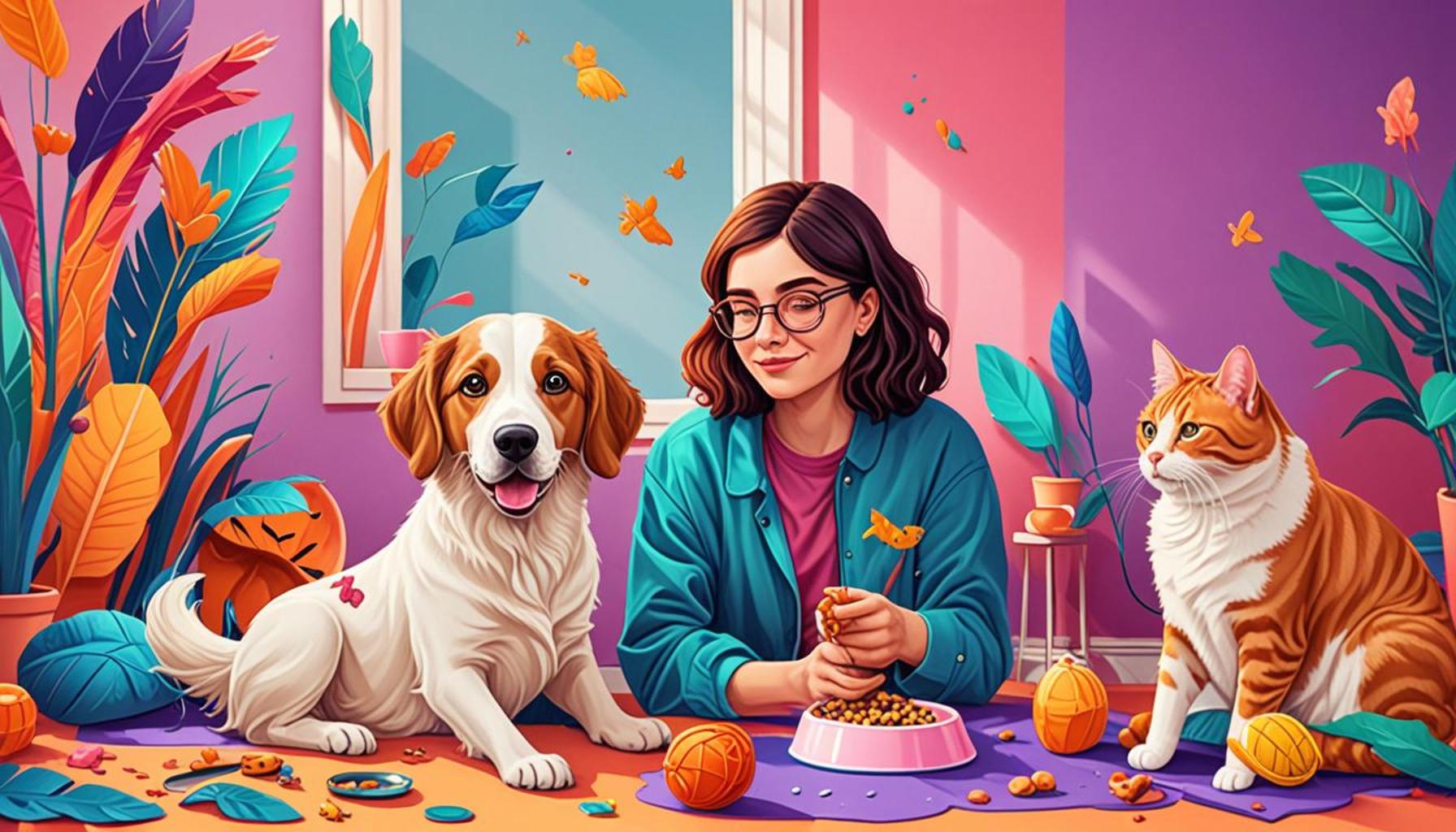
One of the most crucial aspects of play is its role in fostering social interaction. Playful pets typically exhibit greater social engagement, effectively communicating their feelings and establishing connections with others. A dog that plays tug-of-war with family members or a cat that enjoys chasing a laser pointer around the house demonstrates enthusiasm for interaction. Pets that act out socially can also be more adept at understanding non-verbal cues, leading to improved relationships with both other animals and humans.
Stress Levels
Likewise, monitoring changes in play behavior can reveal important information about an animal’s stress levels. For example, if a normally playful dog suddenly becomes disinterested in games or retreats to a corner, it may signal underlying anxiety or distress. Possible triggers include changes in the household, such as a new pet or family member, or even environmental stresses like loud noises. Recognizing these shifts allows pet owners to address the root causes of anxiety, fostering a more supportive and understanding living environment.
Energy Levels
The vitality and playfulness of pets are often closely tied to their energy levels. High-energy pets engage in spirited play, whether it’s sprinting around the yard, fetching a ball, or engaging in playful wrestling with their owners. In Nigeria, where the warm climate is conducive to outdoor activities, dogs can benefit from energetic play sessions, which not only provide exercise but also enhance their mood and mental stimulation. Conversely, a pet that prefers quiet, solo play might require a different approach to ensure they are receiving appropriate physical and mental stimulation tailored to their unique needs.
Understanding the nuances of play behavior is essential for every pet owner. By becoming attuned to your pet’s individual play style, you can enhance their mental and emotional well-being, leading to a happier and more enriched life for your furry friend. In the following sections, we will explore play behavior more deeply, uncovering its critical links to personality traits and the overall mental health of your pet. These insights can ultimately guide you in nurturing a more fulfilling relationship based on empathy and understanding.

Unraveling the Playful Nature of Pets
The way pets engage in play can provide pet owners with a profound understanding of their personality traits and mental health. Engaging in playful antics is not just a frivolous pastime; it is a form of communication and an expression of well-being. Observing the styles of play in your pets can help you distinguish their emotional states, revealing whether they are happy, anxious, or even bored.
Types of Play Behavior
Play behavior can be categorized into several types, each of which can signal different aspects of your pet’s personality and mental health:
- Interactive Play: This includes activities such as fetch, tag, or tug-of-war, where the pet interacts extensively with humans or other animals. Pets who thrive on social engagement often display a preference for this type of play, signaling a balanced and confident temperament.
- Solo Play: Pets that enjoy playing alone, such as a cat batting around a ball of yarn or a dog chewing on a toy, may be more independent. This behavior could indicate a well-adjusted pet, but excessive solitary play can also signify stress or discomfort with social interactions.
- Exploratory Play: This involves investigating new environments or objects, reflecting curiosity and cognitive engagement. Dogs sniffing unfamiliar scents or cats pouncing on moving shadows embody this playful exploration, indicative of a healthy, mentally stimulated animal.
Implications of Play Behavior on Mental Health
Another aspect worth noting is the therapeutic role of play in enhancing mental health. Just as play can illuminate an animal’s emotional landscape, it can also serve as a coping mechanism. Engaging in play can help relieve stress and boredom, especially for pets like dogs that may become despondent if their energy is not channeled appropriately. For instance, in urban areas of Nigeria where pets may have limited space to roam, interactive play sessions become critical in preventing behavioral issues stemming from pent-up energy.
Furthermore, play can alleviate feelings of loneliness and depression. A pet that is encouraged to engage in play often exhibits decreased levels of anxiety, paving the way for a healthier mental state. Recognizing the importance of play is particularly urgent in regions like Nigeria, where the companionship of pets is cherished, yet pet owners may overlook the emotional needs of their animals amidst everyday life challenges.
As pet owners, understanding the significance of your pet’s play behavior can guide you in providing a nurturing environment that fosters both their physical and emotional growth. Cultivating diverse play opportunities will not only satisfy their urge to play but also build a strong, joyful, and affectionate bond between you and your furry friend.
Exploring Play Behavior: A Window into Your Pet’s Mind
Play behavior in pets extends far beyond mere entertainment; it serves as a crucial indicator of their personality and mental health. Observing how your pet interacts during play can unveil essential insights into their emotional state and behavioral tendencies.
The Connection Between Play and Personality
Different species manifest distinct styles of play that reflect their innate characteristics. For example, dogs may engage in spirited games of fetch that showcase their desire for companionship and energy levels, while cats may prefer solitary pursuits like pouncing on toys, which can indicate their independent nature. By analyzing these behaviors, pet owners can better understand their animals’ personalities and cater to their specific needs.
Indicators of Mental Well-Being
Play is also a key factor in your pet’s mental well-being. A playful pet is often a happy and healthy one. A sudden decrease in playfulness might signal underlying issues, such as stress, illness, or unfavorable environmental conditions. Conversely, pets that exhibit confident play behaviors often display a sense of security within their environments, indicating a harmonious bond with their human companions.
Benefits of Encouraging Play
Encouraging play can foster better physical health and mental stimulation for pets, enhancing their overall quality of life. Engaging in interactive play helps to strengthen the bond between pets and their owners, while also allowing owners to observe changes in their pets’ behavior. This can serve as an early detection system for possible health concerns.It’s essential to recognize the significance of play behavior in understanding your pet’s psychological state. Making time for regular, varied play sessions not only builds trust but also contributes to a more fulfilling life for your furry friend. Just as humans need mental and social stimulation, so do our beloved pets.
Decoding Your Pet’s Play Signals
As much as we adore our pets, understanding their behavior can sometimes feel like deciphering a complex code. However, the way your pet plays offers significant insights into their emotional and psychological state. For instance, the frequency and enthusiasm of play can serve as a barometer for their overall happiness. Pets that engage in vigorous and joyful play are typically exhibiting signs of good mental health and adaptability.
Social Dynamics in Play
The interactions your pet has during playtime can reveal a lot about their social skills and comfort levels around others. For instance, pets that engage in cooperative play with siblings or human companions often display empathy and social awareness. This is particularly evident in dog breeds that were historically used for herding or hunting in collaborative teams, like Nigerian breeds such as the Afghan Hound or Ibadan Sheepdog. These dogs not only enjoy team-based games but also demonstrate a remarkable understanding of group dynamics during play.
In contrast, pets that exhibit dominance in play or respond negatively to social cues may struggle with anxiety or aggression. A dog that consistently asserts control over toys or attempts to intimidate others during play could indicate an underlying insecurity. Recognizing these traits can allow pet owners to address behavioral issues early on, potentially leading to more positive play interactions overall.
Physical Exercise vs. Mental Engagement
Play has a dual role in maintaining both physical health and mental stimulation. Engaging in high-energy games promotes cardiovascular health and helps manage weight; vital considerations for pets, especially in urban environments like Lagos, where space for exercise can be limited. A lack of both physical activity and mental engagement can lead to destructive behavior or depressive tendencies in pets.
In Nigeria, where many pet owners juggle busy lifestyles, it’s critical to carve out regular play sessions for pets. Including varied toys or even DIY enrichment activities, like obstacle courses made from household items, can provide necessary mental challenges. Activities that encourage pets to think while they play, such as puzzle feeders for dogs or interactive toys for cats, can stimulate not just their bodies but also their minds. This promotes longevity and mental acuity, critical in a world where many pets face environmental stressors.
Warning Signs to Watch For
Decoding your pet’s playful behavior also includes being vigilant for signs of distress or discomfort. For instance, a sudden withdrawal from play could indicate health issues, anxiety, or emotional distress. Pets that engage in compulsive play, such as incessant chasing or licking, might be signaling underlying problems that need addressing. Watch for shifts in their play style; a normally playful dog that becomes lethargic or a cat that stops batting at toys could need a careful evaluation.
Moreover, play behavior can change with age. Senior pets may have different play preferences or energy levels, and it’s essential to modify playtime accordingly to ensure comfort while still providing enrichment. This adaptability fosters a stronger connection between pet and owner, as it shows an understanding of their evolving needs.
Understanding the nuances of your pet’s play behavior serves not only as a window into their current mental health but also as a pathway to ensuring their future well-being. Play is more than just fun; it is an essential component of your pet’s lifelong journey toward a happy and fulfilling life.
Conclusion
In exploring the landscape of play behavior in pets, it becomes increasingly clear that play is a fundamental aspect of their emotional and psychological well-being. The ways in which our pets engage during playtime not only reflect their mood, but also their personality traits and responses to their environment. From their social interactions—whether they exhibit cooperation or dominance—to their level of enthusiasm, each playful moment sends signals about their mental health status.
Moreover, as we navigate the complexities of modern living in Nigeria, ensuring that our pets receive both physical exercise and mental stimulation is crucial. The risk of neglecting these aspects can result in behavioral issues that translate into destructive actions or signs of anxiety. By paying close attention to shifts in their play behavior, we enhance our ability to interpret their needs effectively, fostering a deeper bond with our furry companions.
Finally, recognizing that play dynamics evolve with age encourages us to adapt our interactions accordingly. Whether through tailored games or enriching activities that challenge their minds, understanding the essence of play enriches not only their lives but our own. Thus, monitoring play behavior offers invaluable insights into the broader spectrum of our pets’ lives, paving the way for a healthier and more fulfilling future together.