How the Owner’s Stress Affects Pet Behavior: Strategies for Creating a Calm Environment
Exploring the Connections Between Human Emotions and Pet Behavior
Pet ownership is undeniably a rewarding journey, yet it comes with its unique set of challenges that can affect both pet and owner. One of the most vital and sometimes surprising factors influencing our four-legged companions is the owner’s stress levels. Just as humans experience stress and emotional fluctuations, pets are remarkably sensitive to their surroundings and can pick up on emotional cues from their owners.
When you find yourself overwhelmed by daily pressures—whether they stem from work, family, or economic concerns—your pet might exhibit notable changes in behavior. These changes can manifest in various ways:
- Increased anxiety: Pets, especially dogs, may become more anxious or fearful, displaying signs such as excessive barking, trembling, or hiding.
- Aggression: Sometimes, heightened stress levels can lead to unexpected aggression. Pets might react defensively, growling or snapping, which can be particularly alarming for families with children.
- Disobedience: Your pet may start ignoring commands or misbehaving, displaying behaviors like chewing on furniture or refusing to follow basic training cues.
These behavioral shifts are not random occurrences; they are closely tied to the emotional states of their human counterparts. Research has shown that animals are not just passive observers but are actively adept at reading human emotions. For instance, studies indicate that dogs can sense changes in their owners’ heart rates and stress hormones, enabling them to react accordingly. In bustling nations like Nigeria, where daily life can be stressful and unpredictable due to various socio-economic factors, maintaining a peaceful environment for pets can be particularly challenging.
Creating a Tranquil Home for Your Pets
To cultivate an atmosphere of calm and reassurance for your pets, consider implementing strategies to help both you and your furry friends achieve inner peace. Here are some effective techniques:
- Mindfulness practices: Engaging in mindfulness, such as meditation or deep breathing exercises, can significantly reduce your stress levels. Even a few minutes of focused breathing can help ground you and positively influence your pet’s demeanor.
- Routine establishment: Pets thrive on consistency. Creating a structured schedule for feeding, walks, and playtime can provide a sense of security for your pet, helping them feel more at ease.
- Environment enrichment: Providing a variety of engaging toys and activities can stimulate your pet’s mind and prevent boredom. This could include interactive toys, puzzles, or even training sessions that promote bonding.
By enhancing your understanding of the profound connection between your emotional state and your pet’s behavior, you can take proactive steps toward nurturing a harmonious household. Supporting your emotional well-being not only benefits you but also creates a more supportive and loving environment for your beloved pets. As you develop a greater insight into these dynamics, you’ll discover that improving your emotional health is a shared journey that can lead to a happier life for both you and your furry companions.
The Ripple Effect: Understanding Stress Within the Home
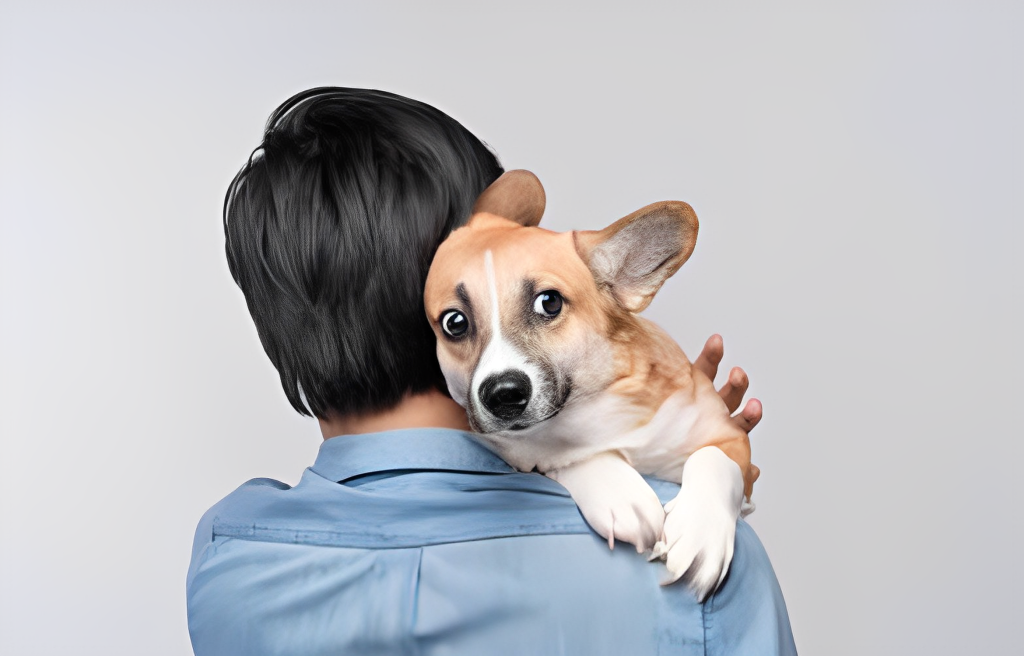
The emotional state of an owner is often analogous to the environment in which pet behaviors unfold. Stress, particularly in a fast-paced and challenging context like Nigeria, can infiltrate the home, creating an atmosphere ripe for discomfort. Just as children are attuned to their parents’ moods, pets are equally perceptive. For instance, if you come home after a long day filled with stress, your body language—tense shoulders, shortness of breath, or a furrowed brow—may trigger a similar reaction in your pet.
Veterinarians and animal behaviorists assert that anxiety in pets can often be a mirror of their owner’s emotional state. This phenomenon is known as emotional contagion, where feelings such as happiness, sadness, or, in this case, stress, are transferred between humans and their animals. For many dogs, a spike in their owner’s anxiety can lead to behavioral changes. Common issues stemming from an owner’s stress include:
- Fear-based behaviors: Barking excessively, hiding, or avoiding interaction can all signal that a pet is picking up on their owner’s anxious energy.
- Increased clinginess: Pets may become more dependent, often staying physically close to their owners in an attempt to gauge their mood and seek comfort.
- Destructive behaviors: Items left around or even furniture might become targets for stressed pets, as they react by chewing or tearing things apart as an outlet for their unease.
Moreover, in environments where familial roles and expectations can weigh heavily, such as in a busy Nigerian household, the ripple effect of parental stress permeates the lives of both children and pets. It is crucial to recognize that pets not only feel the tension but also react to ensuing chaos or disruptions in routine. You may notice your pet becoming restless during family arguments or when witnessing rush-hour stress in the home.
They might pick up on high-decibel interactions or the hurried pace of owners trying to keep everything afloat, leading to confusion and anxiety. As you navigate these emotional terrains, it’s essential to acknowledge the importance of establishing a nurturing environment where both aspects—owner and pet—can flourish. This mutual understanding serves as the first stepping stone to fostering a serene living space.
Recognizing Signs of Stress in Your Pet
To facilitate a more peaceful coexistence, awareness of your pet’s behavioral signals is key. Understanding the signs indicating that your pet may be stressed can help you take action to mitigate that tension:
- Withdrawal: If your pet suddenly becomes more secluded, it might be a response to the stressful atmosphere.
- Overreaction to stimuli: Quick twitches, jumpiness, or barking at minimal sounds can indicate heightened anxiety levels.
- Changes in eating habits: An increase or decrease in food intake often correlates with emotional stress and anxiety.
By drawing connections between your emotional state and your pet’s behavior, you set the foundation for a calmer living situation. By cultivating awareness and taking proactive steps, you can create a harmonious environment that benefits the mental well-being of both you and your furry companions.
As we delve deeper into the intricate relationship between an owner’s stress and pet behavior, it’s crucial to understand the multitude of ways this dynamic manifests. Pets are often sensitive to their owner’s emotional states; high levels of stress can lead to anxiety and behavioral problems in animals. For instance, a stressed owner may inadvertently project their feelings through body language and vocal tones, signaling to the pet that something is amiss. This can lead to heightened alertness or fear in the pet, further exacerbating the owner’s stress levels.
Creating a calm environment is paramount not only for the pet’s well-being but also for the owner’s mental health. Implementing simple strategies can significantly enhance the serenity of a shared living space. For example, establishing a daily routine helps pets feel secure, as predictability can mitigate anxiety. Regular exercise is also essential; it not only benefits the pet’s physical health but can also serve as a stress relief mechanism for the owner, fostering a positive feedback loop.
Another effective method is the use of calming aids. These can range from aromatherapy diffusers that emit soothing scents, such as lavender, to anxiety wraps that provide gentle pressure to pets during stressful situations, like thunderstorms or fireworks. Creating designated safe spaces within the home for pets to retreat to when feeling overwhelmed can also help them manage their fear and anxiety.
Alongside these strategies, it’s vital for pet owners to engage in self-care practices that promote their emotional stability. Activities such as mindfulness meditation, deep-breathing exercises, or simple hobbies can significantly lower stress levels, creating an overall more harmonious environment. As owners become more mindful of their own emotional states and how it affects their pets, the path to establishing a calmer living space becomes clearer.
Ultimately, understanding and addressing the connection between an owner’s stress and pet behavior can lead to a more balanced household. By prioritizing both the pet’s and owner’s emotional needs, we pave the way for a nurturing environment that fosters tranquility and happiness.
| Category | Key Features |
|---|---|
| Owner’s Stress Awareness | Understanding how emotional states impact pets. |
| Routine Establishment | Creating predictability for pets enhances their sense of security. |
By introducing such practices and strategies, owners not only help their pets manage anxiety but also cultivate a soothing environment that benefits everyone in the household. Through this mutual support, both owner and pet can thrive in a peaceful and nurturing atmosphere.
Creating a Calm Environment: Strategies for Reducing Stress
To mitigate the impact of stress on both pets and owners, practical strategies can be employed to foster a peaceful living atmosphere. Adopting simple yet effective approaches can not only alleviate the tension that ripple effects create but also strengthen the bond between you and your furry companions. Here are several strategies that can be implemented in a Nigerian household:
1. Establish a Routine
Animals thrive on predictability. A consistent daily schedule can significantly decrease anxiety levels in pets, helping them feel secure. Whether it’s feeding times, walks, or play sessions, establishing a routine provides a sense of normalcy and can effectively diminish the impact of stress. Research suggests that pets, particularly dogs, who are exposed to routines are less prone to anxiety and fear-based behaviors. It can be as simple as sticking to your usual early morning walks or evening playtime, which helps your pet anticipate what comes next, alleviating their anxiety.
2. Create a Safe Space
Designating a quiet, comfortable corner of your home as a sanctuary for your pet can be very beneficial. This could be a cozy bed or a crate provided with their favorite toys and blankets. The idea is to provide an area where they can retreat to feel secure, especially during particularly stressful moments. This space should be away from loud noises or bustling activity, allowing your pet to relax without disturbances. As the owner, ensuring this area remains tranquil will help transmit a calming energy.
3. Utilize Calming Techniques
In times of heightened stress, consider implementing soothing tactics both for yourself and your pet. For owners, practices such as deep breathing exercises, meditation, or gentle stretches can lower stress levels and create a more harmonious environment. On the other hand, pets can benefit from gentle petting or calming music specifically engineered for anxiety relief. According to studies, sounds designed for dogs can help alleviate their stress and bring about relaxation. Solutions like these not only enhance the emotional landscape but also nurture your pet’s well-being.
4. Prioritize Exercise and Play
Regular physical activity is essential for both pets and their owners. Engaging in exercises such as taking walks, running, or interactive play helps to dissipate built-up energy that often fuels anxiety. For instance, a game of fetch or tug-of-war can do wonders for a dog’s mental state, while yoga or light aerobics can relieve stress for the owner. Moreover, incorporating fun activities creates an opportunity to bond and communicate positively, contributing to an overall joyful atmosphere in the home.
5. Mind Your Energy
Your emotional state matters tremendously, as pets are often influenced by the energy around them. Pay attention to how your body language and tone of voice reflect your mood. For example, maintaining a calm demeanor and soft-spoken language can create a safe and peaceful environment. If you are feeling overwhelmed, try to seek temporary respite away from your pet before returning to engage with them. This strategy allows you to reinstate a serene presence that your pet can feel.
6. Engage Professional Support
If your pet’s anxiety seems to escalate or persists despite your efforts, enlisting the help of animal behaviorists or veterinarians may be prudent. These experts can provide tailored advice and techniques specific to your pet’s needs. Additionally, behavioral therapies or medication, if necessary, can play a crucial role in ensuring both you and your pet achieve a more peaceful coexistence.
By implementing these strategies, you can foster a tranquil environment that assists in alleviating stress for both you and your pet. Understanding and addressing the emotional complexities within the home lays the groundwork for a harmonious life together, ensuring that the bond between owner and pet is enriched by mutual tranquility.
Conclusion: Building a Harmonious Home for Pets and Owners
The connection between an owner’s stress and a pet’s behavior is profound and intricate. As demonstrated throughout this article, the emotional state of a pet owner directly influences the environment in which their pets live, ultimately shaping their emotional and behavioral responses. By prioritizing a tranquil atmosphere, not only can you mitigate your pets’ anxiety and stress but also improve your own mental well-being.
Implementing effective strategies such as establishing a consistent routine, creating safe spaces, and engaging in physical activities fosters a sense of stability that pets crave. Furthermore, being mindful of your energy, practicing calming techniques, and considering professional support when needed can significantly enrich the lives of both you and your pet. This holistic approach creates a nurturing environment where pets can thrive alongside their owners.
Ultimately, understanding the intricate dynamics of stress within the home offers a new perspective on pet care. A calm household can not only enhance the bond between you and your furry friends but also lead to a more fulfilling and stress-free life. Therefore, consider taking the time to implement these strategies in your daily routines in Nigeria or elsewhere, promoting a peaceful coexistence that benefits all members of the family—both human and animal alike. According to a study by the American Psychological Association, fostering positive emotional health in pets can result in improved behavior, which underscores the importance of this endeavor.
In this way, we can ensure that our pets experience love, security, and tranquility, enriching our homes with joy and companionship. Take the first step today toward a more serene environment, and witness the positive changes that unfold in your pet’s behavior.