
Gamification Techniques to Make Individual Practice More Engaging
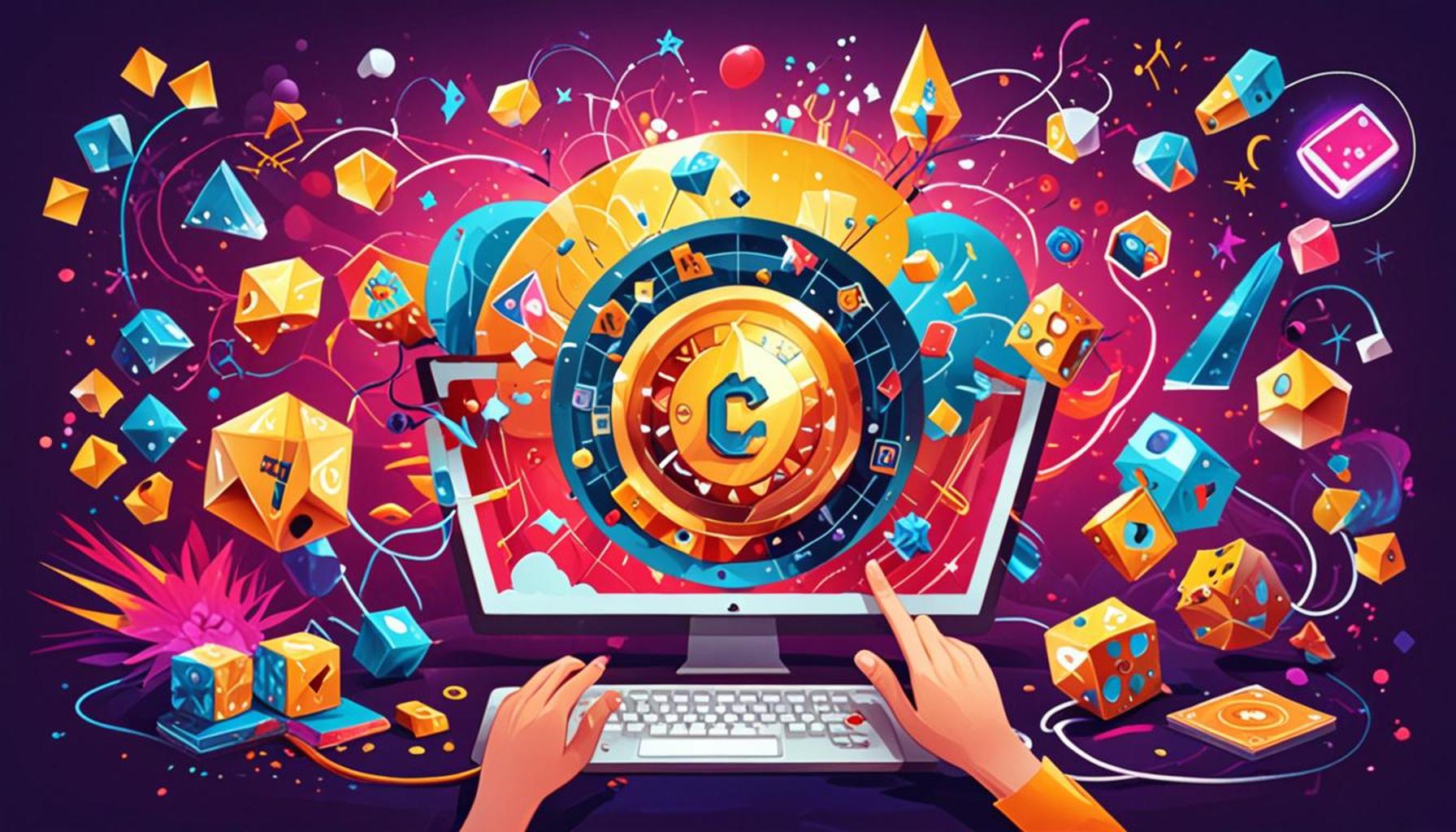
The Transformative Impact of Gamification in Learning
In an age where conventional teaching methodologies can often feel stifling and uninspiring, gamification techniques are breaking new ground by transforming the way we learn and engage. By weaving game-like elements into everyday tasks, these methods not only captivate the learner’s interest but also foster a vibrant, interactive environment. This progression enhances motivation, boosts retention, and ultimately leads to improved learning outcomes that transcend traditional boundaries.
- Increased Engagement: The allure of gamification lies in its capacity to seize attention through captivating challenges, goals, and rewards. For instance, in the Nigerian educational landscape, organizations like Andela gamify software development training, where participants earn badges for surpassing coding milestones, turning learning into a thrilling quest.
- Active Participation: Traditional rote memorization methods often lead to passive learning. In contrast, gamified environments encourage learners to dive in fully, whether through interactive quizzes or competitive group challenges. For example, local educational startups like PrepClass allow students to compete against one another in mock exams that progressively increase in difficulty, actively engaging them in the learning process.
- Instant Feedback: One of the significant advantages of gamification is the provision of real-time feedback. This immediate insight allows learners to gauge their progress and adapt their strategies accordingly. Educational platforms in Nigeria, such as EduTech, provide instant assessments after each module, ensuring that learners can quickly identify areas that need improvement.
The success of gamification is exemplified by platforms like Duolingo, which has transformed language learning into an entertaining experience by incorporating points, levels, and fun challenges. This concept is catching on in Nigeria, where an increasing number of tech startups are leveraging gamified techniques for educational apps and training programs. This suggests a promising trend toward personalized learning, tailored not just to the educational sector but also to corporate training and skills development.
As we navigate further into this topic, we will uncover various gamification techniques that can invigorate even the dullest of tasks, transforming them into engaging challenges. From incorporating leaderboards to fostering a community sense among learners, the possibilities are endless. Expect to find practical applications, insights from industry experts, and actionable tips on seamlessly integrating these innovative methods into your practice. Prepare yourself to change your approach to learning and make it not merely productive but also enjoyable! Dive into this exploration and witness how gamification can be the game changer in the realm of education and beyond.
CHECK OUT: Click here to explore more
Engaging Techniques to Foster Motivation and Learning
As educators and trainers across Nigeria continue to seek methods to breathe new life into learning experiences, gamification techniques emerge as innovative solutions that can engage individuals in profound ways. The application of game mechanics like point systems, challenges, and reward-based activities creates a stimulating atmosphere, which can drastically shift the way we view mundane tasks associated with individual practice.
One of the most significant aspects of gamification is the integration of goal-setting, which encourages learners to aim for specific achievements. For instance, educational technology platforms can break down complex topics into manageable objectives, allowing learners to earn points or badges for each goal they reach. This not only creates a sense of accomplishment but also fuels a drive to progress further. In Nigeria, adaptive learning solutions like K12 Inc. have seen increased engagement by utilizing this approach, enabling students to set learning milestones and track their achievements along the way.
- Incorporating Progress Tracking: Regularly updating learners on their status toward achieving their goals can enhance motivation. Digital platforms can provide visual representations of progress, such as graphs or progress bars, which contribute to an increased sense of ownership over one’s learning journey.
- Creating Challenges and Quests: By transforming traditional learning content into quests, educators can ignite curiosity and promote problem-solving skills. For example, educators can design scenario-based challenges that encourage learners to apply their knowledge in realistic contexts, thereby deepening their understanding.
- Building Community and Collaboration: Gamification can cultivate a sense of teamwork and camaraderie among learners through collaborative challenges. Platforms that allow learners to work together in teams stimulate social interaction and instill a feeling of belonging, which is pivotal for Nigerians, where communal efforts are often more effective than individual pursuits.
Furthermore, competition can be a powerful motivator in a gamified environment. Introducing leaderboards can drive learners to compete with their peers, enhancing engagement levels. However, it is essential to strike a balance, ensuring that competition remains friendly and constructive. Initiatives by organizations like Junior Achievement Nigeria demonstrate how incorporating competitive elements into educational programs provides an enjoyable experience that encourages students to strive for excellence.
The beauty of gamification is its adaptability; the techniques can be tailored to fit various contexts and learning styles, whether in classrooms, workplaces, or personal development endeavors. As we explore this domain further, it becomes evident that gamification is not merely about games; it is about creating an immersive, engaging, and rewarding experience for learners. By doing so, we not only transform individual practice but also equip learners with the enthusiasm and tools needed to thrive in their educational and professional journeys.
| Gamification Techniques | Advantages |
|---|---|
| Point Systems | Encourages consistent engagement by providing rewards for progress. |
| Leaderboards | Fosters healthy competition which can motivate users to improve their performance. |
| Badges and Achievements | Provides tangible recognition for reaching milestones, enhancing user satisfaction. |
| Interactive Content | Engages users through immersive and interactive experiences, making learning memorable. |
Gamification techniques like point systems and leaderboards not only enhance user engagement but also create a sense of accomplishment. When learners receive points for achieving objectives, they are more likely to maintain their commitment to individual practice. Similarly, leaderboards introduce an element of competition, pushing learners to strive for higher performance and pride in their rankings.Moreover, the use of badges and achievements serves to reinforce progress and individual milestones. Learners experience greater satisfaction as they can visually track their accomplishments, fostering a deeper connection to the material. Incorporating interactive content transforms the learning experience, keeping learners invested and excited about their practice. By leveraging these gamification techniques, practitioners are likely to discover the long-term benefits of sustained engagement through personalized, enjoyable learning experiences.
RECOMMENDED: Check out this similar article
Amplifying Learning Through Personalization and Storytelling
In the realm of gamification techniques, enhancing learner engagement through personalization has emerged as a decisive factor. By tailoring the learning experience to meet individual preferences and learning styles, educators can create a more appealing journey. For instance, platforms like Google Classroom allow instructors to modify assignments and challenges based on students’ strengths and weaknesses. This targeted approach not only boosts learners’ confidence but also fosters a more profound connection to the material they are studying, making the individual practice more engaging.
Another essential facet of gamification is storytelling. Engaging narratives can serve as a thrilling backdrop for learning activities, transforming mundane lessons into captivating quests. By weaving educational content into a storyline, learners can be motivated to embark on adventures where they are the protagonists. In Nigeria, cultural storytelling traditions provide an excellent foundation for this technique. Educators can integrate local folklore or history into learning modules, helping students relate more personally to the content and actively participate in their learning experiences.
- Utilizing Immediate Feedback: Instant feedback is a cornerstone of effective learning and should ideally be embedded within gamified experiences. By providing learners with rapid insights about their performance, they can evaluate their understanding and adjust strategies accordingly. This can be facilitated through digital platforms that offer quizzes or interactive features, allowing students to immediately see results and understand areas for improvement.
- Offering Customization Options: Allowing learners to personalize their avatars or learning paths can increase ownership over their educational experience. This adjustment can make individual practice feel less like a requirement and more like a tailored journey, encouraging continuous involvement.
Moreover, the incorporation of themes can further enrich gamified learning experiences. Educators can create thematic weeks or units where students engage with content through the lens of specific concepts—like sustainability or technology—creating cohesion in learning. For example, a theme-based competition on environmental issues might invite students to devise solutions to local challenges through collaborative group projects, allowing them to engage deeply with the topic while honing their problem-solving skills.
Additionally, the use of virtual badges and awards can serve as tangible representations of progress, motivating learners to strive for further achievements. This recognition not only instills a sense of pride but encourages classmates to acknowledge each other’s successes, enhancing the communal aspect of learning. Technology platforms can facilitate easy sharing of these achievements among peers, creating an environment of encouragement and celebration.
Furthermore, gamification can encourage reflective practices, vital for personal growth. Facilitating spaces within digital platforms where learners can articulate their challenges, victories, and reflections fosters critical thinking. By encouraging learners to document their journey, they can visualize their growth, making the individual practice more fulfilling and aligned with personal goals.
As we deepen our understanding of gamification, it is clear that the potential for enhancing individual practice is vast and multifaceted. Each technique, from storytelling to personalization, embodies a world of possibilities that can transform education and personal development into exhilarating endeavors. By harnessing these tools effectively, we can ignite a passion for learning that transcends traditional barriers and resonates within the hearts of Nigerian learners.
LEARN MORE: This related article may interest you
Conclusion: The Future of Engaging Individual Practice
In summary, the incorporation of gamification techniques into educational frameworks holds the potential to transform individual practice from routine tasks into exciting journeys of discovery and growth. By understanding the diverse elements that contribute to engagement—such as personalization, storytelling, and immediate feedback—educators can create tailored experiences that resonate with learners on a deeper level. Techniques like utilizing virtual badges and providing customization options empower students to take ownership of their learning, making the process both rewarding and intrinsically motivating.
Moreover, by integrating themes that reflect cultural narratives and local issues, particularly in a context as rich and diverse as Nigeria, educators can foster a stronger connection between the curriculum and students’ daily lives. This relevance not only captures attention but also encourages collaborative efforts among peers, enhancing the communal aspect of education.
Furthermore, the practice of reflection within gamified platforms allows learners to track their progress and cultivate a mindset geared toward growth. As we continue to discover new paths in educational innovation, it becomes increasingly crucial to embrace gamification not merely as a teaching tool but as a catalyst for a broader cultural shift—a shift that prioritizes vibrant and engaging learning experiences.
As Nigeria’s educational landscape evolves, embracing these gamification strategies can ignite the flames of curiosity, creativity, and critical thinking in learners, ultimately leading to a brighter future where education empowers a generation to thrive.