Cat Training: Strategies for Teaching Good Behaviors
The Importance of Having Trained Cats
Training a cat may seem daunting, as many associate cats with independent and sometimes unpredictable behaviors. However, with a little effort and the right techniques, you can teach your cats good behaviors that lead to a more harmonious coexistence in your home. This is especially relevant in Nigeria, where a growing number of households are adopting cats not just as pets, but also as family members. Understanding how to effectively train your cat can significantly improve both your experience as an owner and your cat’s quality of life.
Understanding Cat Training Techniques
It is essential to familiarize yourself with several key elements of cat training. These will help you tap into your cat’s natural behaviors and instincts:
- Positive Reinforcement: Cats respond best to positive reinforcement. This means rewarding desirable behaviors with treats, praise, or playtime, making it more likely that your cat will repeat those actions. For example, if your cat uses its scratching post instead of your furniture, celebrate this achievement with a tasty snack or affectionate petting.
- Consistency: Establishing a routine is crucial for effective learning. Set specific times for feeding, play, and training sessions. For instance, if you wish to train your cat to sit on command, practice this consistently each day. Always use the same command and reward immediately after the desired behavior occurs.
- Patience: Just as every human learns differently, so do cats. Some cats might catch on quickly, while others may take their time. Remain patient and avoid frustration; your feline friend may surprise you with their retention if given the chance to learn at their own pace.
Common Behavior Challenges
Many new cat owners in Nigeria face typical challenges that can benefit from focused training efforts. Let’s explore some common issues:
- Scratching Furniture: While scratching is a natural behavior for cats to keep their claws healthy, it can be annoying when they target your favorite sofa. Provide alternatives like scratching posts or cat trees, and reward your cat when they use these items instead.
- Inappropriate Litter Box Usage: Cats, in general, are clean animals. If a cat refuses to use the litter box, it may indicate underlying health issues or dissatisfaction with the litter box setup. Ensure that the litter box is clean, accessible, and placed in a quiet area.
- Excessive Vocalization: Some cats can be quite chatty, especially if they are bored or seeking attention. Engaging in regular play sessions and providing stimulating toys can help curb excessive meowing.
Equipped with practical tips and a deeper understanding of feline behavior, you can effectively transform your cat into a well-mannered companion. With a commitment to training, your cat can learn to coexist peacefully and contribute positively to your household.
As you continue to explore these training techniques, you’ll likely find that the bond with your furry friend strengthens, leading to a happier home for both you and your beloved pet.
Effective Methods for Teaching Cats
When it comes to cat training, utilizing the right methods is crucial for fostering good behaviors. Unlike dogs, cats do not respond as readily to commands, making it essential to adjust your tactics to resonate with their unique characteristics. In Nigeria, where family bonds with pets have become increasingly significant, understanding how to communicate effectively with your cat can create a more peaceful and engaged living environment.
Utilizing Clicker Training
One popular method that can be particularly effective for cats is clicker training. This technique involves using a handheld device that emits a distinct sound—the “click”—to mark desired behaviors. When combined with positive reinforcement, it can significantly enhance a cat’s learning experience. Here’s how to get started:
- Introduce the Clicker: Begin by allowing your cat to become familiar with the sound of the clicker. Press the clicker and immediately offer a treat. Repeat this several times until your cat associates the sound with a reward.
- Marking Behaviors: Once your cat recognizes the sound, you can start clicking when they exhibit behaviors you want to reinforce. For example, if your cat sits when you ask, click and reward them promptly.
- Building on Skills: As your cat becomes proficient, increase the complexity of the tasks. Work on teaching commands like “high five” or “come,” using the clicker to mark success at every step.
Creating a Stimulating Environment
Cats are naturally curious and require mental and physical stimulation to stay happy and healthy. Providing an enriching environment is a fundamental aspect of training, as boredom can lead to undesirable behaviors. Here are some strategies to help keep your feline friends engaged:
- Interactive Toys: Invest in puzzle feeders and toys that challenge your cat mentally. These toys encourage problem-solving, which is beneficial not only for training but also for your cat’s overall well-being.
- Climbing Structures: Cats love to climb and observe their surroundings from a higher vantage point. Cat trees or shelves can give them the opportunity to explore their environment while discouraging unwanted behaviors like scratching furniture.
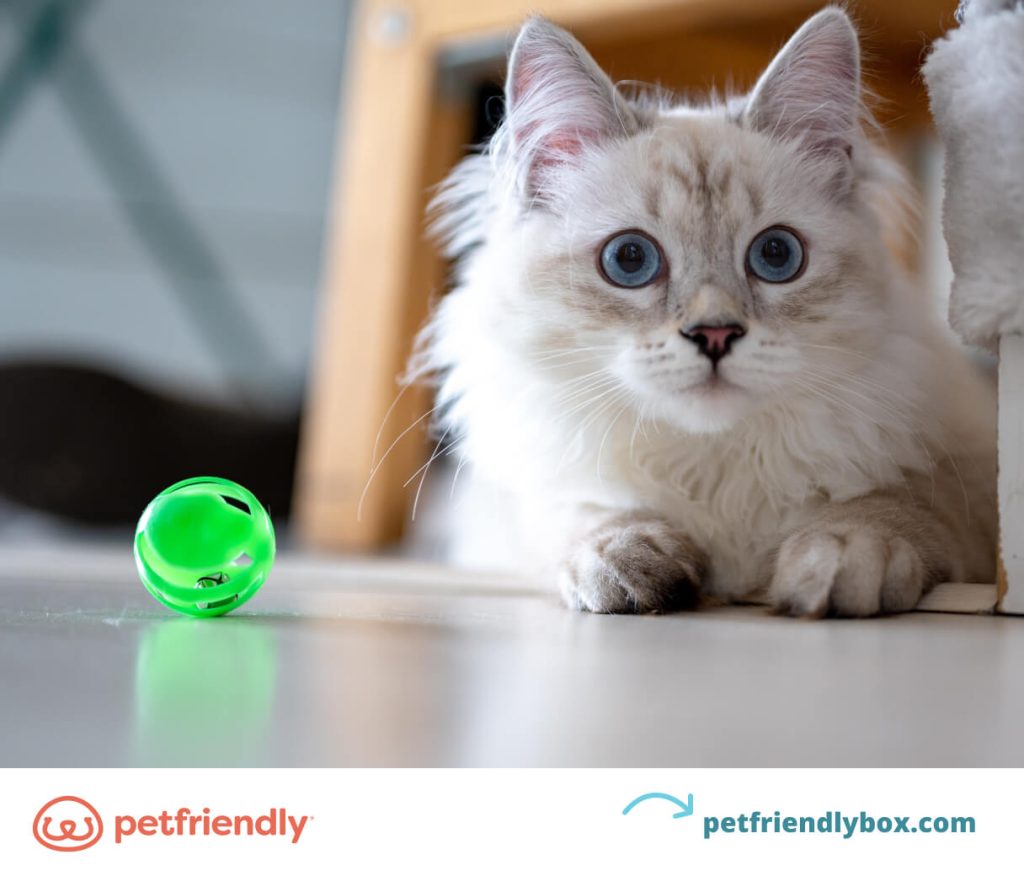
- Playtime Sessions: Dedicate time each day for active play, whether with laser pointers, feather wands, or balls. Not only does this directly add to their exercise, but it solidifies the bond between you and your cat, making training more effective.
Understanding and implementing effective training methodologies can transform how you interact with your cat, fostering positive behaviors that enhance your everyday life together. Armed with these valuable insights and techniques, you’re better positioned to cultivate a respectful and rewarding relationship with your feline companion, contributing to a more harmonious household.
| Training Methodology | Benefits to Owners and Cats |
|---|---|
| Positive Reinforcement | Strengthens the bond between cat and owner, promoting trust. |
| Clicker Training | Provides clear communication, helping cats understand desired behaviors. |
| Environmental Enrichment | Keeps cats mentally stimulated, reducing behavioral issues. |
| Routine and Consistency | Creates a reliable environment, fostering safety and comfort for the cat. |
Within the vast topic of Cat Training: Strategies for Teaching Good Behaviors, exploring various methodologies not only enriches the training experience but also improves the relationship between the cat and its owner. For instance, utilizing positive reinforcement not only rewards good behaviors but also strengthens the emotional connection. When owners observe their cats responding positively, it fosters a more trusting environment.Moreover, the clicker training technique can significantly enhance the clarity of communication. With each click signifying a desired action, felines can quickly grasp expectations, leading to smoother learning processes. Equally important is environmental enrichment, which can alleviate boredom and subsequently reduce unwanted behaviors. Providing toys, scratching posts, and interactive playtime plays a crucial role in ensuring that a cat’s mental and physical needs are met.Lastly, a focus on routine and consistency is vital in cat training. Cats thrive on predictability, and a structured training schedule can help them adapt better, leading to less anxiety and more cooperative behaviors. This comprehensive understanding of training strategies equips owners with the tools needed for effective teachings while nurturing a positive environment.
Building a Strong Bond Through Trust and Communication
Creating a solid foundation of trust and communication is key in cat training. Unlike dogs that often seek human approval, cats may be more independent and cautious, necessitating an approach that respects their boundaries. In Nigeria, with the diverse backgrounds and lifestyles of cat owners, understanding each cat’s personality is critical. Here are some strategies to build that rapport:
Understanding Feline Body Language
To communicate effectively with your cat, it’s important to understand their body language. Cats convey their feelings and intentions through various physical cues. For instance, a cat with an upright tail and slowly blinking eyes is generally feeling relaxed and trusting. Conversely, flattened ears and a puffed-up tail indicate fear or aggression. By observing these signals, you can better respond to your cat’s needs, enhancing your training sessions.
- Respect Personal Space: Cats are sensitive to their surroundings. Ensure your training sessions take place in a quiet environment free from distractions, allowing your cat to feel safe.
- Use Soft Voices: Your tone can significantly influence your cat’s reaction. Speaking calmly and softly when training can promote comfort and reinforce positive associations with learning.
Incorporating Routine and Consistency
Establishing a regular training routine can greatly improve your cat’s behavioral learning. Cats thrive on predictability, so creating a schedule that incorporates short training sessions—around 5-10 minutes—can make a significant difference. In Nigeria, where nurturing these animals can sometimes be an afterthought, setting aside dedicated time for training can elevate the relationship:
- Same Time, Every Day: By training at the same time every day, cats can anticipate these sessions, easing their anxiety and enhancing focus.
- Consistent Commands: Always use the same phrases or cues for specific actions. For example, if you associate “sit” with sitting, be consistent with your wording to avoid confusion.
Adapting Training Techniques to Cultural Context
The impulsive behavior of cats can sometimes pose challenges, particularly in communal settings common in Nigeria. It’s essential to adapt training techniques to the local context. For example, incorporating traditional Nigerian toys or games into play can make training more engaging. Simple items such as crumpled paper or corks can be used to fabricate stimulating toys that promote interactive play, thereby reinforcing good behaviors.
Moreover, involving family members in the training process can strengthen your cat’s trust. Encourage participation from children to adults, ensuring that everyone understands how to interact with the cat appropriately. This collective effort contributes to a stronger bond within the household, which can lead to better behavioral outcomes.
Utilizing these strategies will not only teach your cat desirable behaviors but will also foster an enriched relationship between you and your furry companion. By embracing these principles of trust, communication, and consistency, you’re giving your cat a supportive environment in which to learn and thrive, ultimately elevating your shared living experience in Nigeria.
Conclusion: The Journey of Positive Cat Training
In conclusion, successful cat training is a rewarding journey that deepens the relationship between you and your feline friend. By incorporating a blend of trust, effective communication, and consistent routines, you create an environment where your cat can flourish and learn desired behaviors. Understanding feline body language is crucial, enabling you to respond appropriately and foster trust. Consistency in commands and routines not only aids in their learning process but also reduces any anxiety associated with training sessions.
Moreover, integrating culturally relevant techniques, such as using local toys and games, makes learning engaging and enjoyable for your cat. This adaptation is particularly important within Nigeria’s diverse contexts, where communal living may influence a cat’s behavior. By including family members in the training process, you enhance collective bonding, ensuring every interaction is positive and constructive for your pet.
Ultimately, investing time and effort into training your cat opens doors to a harmonious living experience where misbehavior is minimized, and companionship is enriched. Remember, patience is key; progress may be gradual, but the benefits of a well-behaved cat are immeasurable. Begin your training journey today, and witness how your furry companion transforms into a model of good behavior, enriching both your life and theirs.