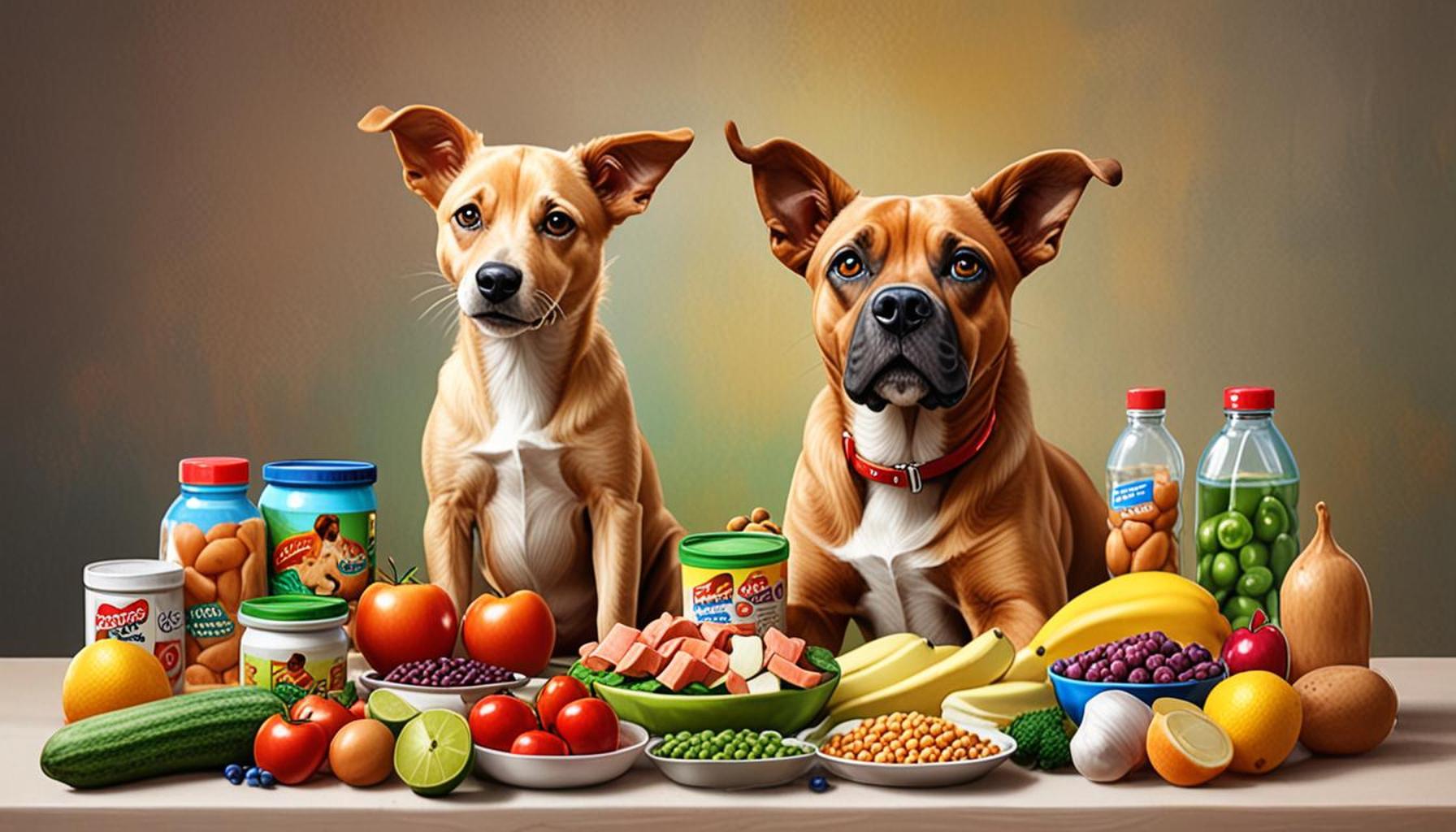
Natural Feeding vs. Commercial Feed: What is Better for Your Animal Companion?
The Growing Interest in Pet Nutrition
The rise in pet ownership across Nigeria echoes a burgeoning interest in understanding optimal pet nutrition. As more families welcome furry companions into their homes, pet owners are increasingly faced with the crucial decision of how to nourish their beloved animals. This decision often comes down to two distinct paths: natural feeding and commercial feed.
Understanding Natural Feeding
Natural feeding emphasizes the use of whole, unprocessed foods that come from local sources. In Nigeria, this might include locally grown fruits such as pawpaw and bananas, vegetables like pumpkin and spinach, and sources of protein such as chicken, fish, or eggs. This method capitalizes on fresh ingredients rich in essential vitamins and minerals, which can lead to improved energy levels and overall health in pets.
One appeal of natural feeding is the control it gives to pet owners over what they are providing. For instance, preparing a balanced meal using fresh ingredients means being aware of what your pet is consuming without any artificial additives or preservatives. It’s important for pet owners to research the specific dietary requirements of their animals to create a balanced diet. For example, while dogs are omnivores and can enjoy a variety of foods, cats are obligate carnivores and require a diet higher in animal proteins.
The Case for Commercial Feed
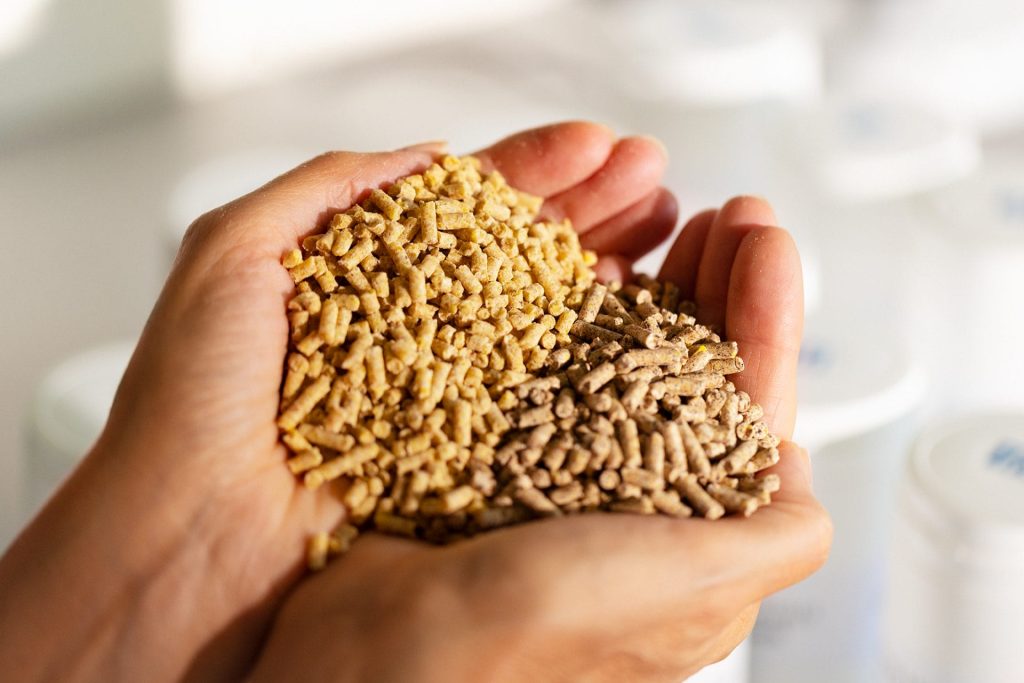
In contrast, commercial feed provides a convenient option for pet owners. These specially formulated diets are designed by animal nutrition experts to ensure that pets receive all the necessary nutrients in their meals. Popular brands in Nigeria, such as Pedigree and Whiskas, create convenience through a range of options tailored to various life stages, from puppies and kittens to senior pets.
Commercial pet food often contains specific balances of proteins, carbohydrates, fats, vitamins, and minerals, ensuring consistency in every meal. This can be particularly appealing for busy households where time and convenience are considerations. Additionally, reputable commercial brands conduct feeding trials and follow strict regulatory guidelines, which can help alleviate concerns regarding the safety and nutritional adequacy of their products.
Key Considerations for Pet Owners
As pet owners weigh the pros and cons of these two feeding methods, they must consider several key questions:
- What nutritional needs do your animals require? Understanding species-specific dietary requirements is paramount to keeping pets healthy.
- Are the ingredients in commercial feeds suitable for your animal’s health? Investigating ingredient lists for allergens or fillers is necessary for ensuring a quality diet.
- Does natural feeding provide a balanced diet? Careful planning and knowledge of nutrition are essential to ensure that a natural diet meets all of a pet’s dietary needs.
As you navigate the complexities of pet nutrition, consider reaching out to veterinarians who can provide guidance on the best practices tailored to your specific pets. Moreover, as discussions around pet wellness continue to evolve, staying informed about recent studies and emerging trends in animal nutrition will empower you to make informed choices for your furry or feathered companions.
The Benefits and Drawbacks of Natural Feeding
Natural feeding not only emphasizes fresh, whole ingredients but also encourages a deeper connection between pet owners and their animal companions. The act of preparing meals from scratch can enhance the bond shared with pets, as owners often take pride in providing their animals with the best nourishment possible. Furthermore, in a country like Nigeria, where fresh produce is abundant, sourcing local fruits, vegetables, and proteins can foster a more sustainable lifestyle.
However, natural feeding does come with its own set of challenges. For one, ensuring that your pet receives a balanced diet is critical. It is essential to provide an adequate mix of proteins, carbohydrates, fats, vitamins, and minerals. A diet lacking in any of these components can lead to long-term health issues. For instance, overly relying on plant-based ingredients can deprive obligate carnivores like cats of essential nutrients found predominantly in animal sources.
Moreover, preparation can be time-consuming. Busy pet owners may find it difficult to commit the necessary time and energy to create varied and balanced meals daily. Additionally, there exists the risk of contamination if food is not prepared under hygienic conditions, particularly in a tropical climate where spoiling occurs more rapidly.
Benefits of Commercial Feed
On the other hand, the convenience of commercial feed cannot be overlooked. Premium pet foods are often manufactured with input from veterinarians and experienced animal nutritionists, ensuring that they meet the dietary requirements of various breeds and life stages. In Nigeria, many pet owners opt for commercial pet food due to its availability, affordability, and ease of use, particularly in urban centers where time constraints are common.
Commercial feeds, such as well-known brands like Pedigree and Whiskas, provide a balanced diet designed to meet nutritional needs, often fortified with vitamins and minerals that might be absent in homemade meals. These products undergo rigorous testing to ensure they are safe and that they support healthy growth and development in pets.
Yet, certain considerations come into play when choosing commercial feed. Some products may contain fillers, artificial preservatives, or by-products that do not necessarily contribute to a pet’s health. Pet owners need to scrutinize ingredient lists to avoid foods with low-quality components. Furthermore, the perception of the feed being overly processed can lead some to question its overall suitability for their animal companions.
Weighing Your Options
Ultimately, the decision between natural feeding and commercial feed requires careful consideration of your pet’s specific needs, lifestyle, and your resources. As you evaluate these two approaches, think about the following:
- Time commitment: How much time can you allocate for meal preparation?
- Budget: Will your choice align with your financial capacity?
- Health considerations: Does your pet have specific health issues that might make one option more favorable than the other?
Understanding the unique advantages and challenges associated with each feeding approach will enable you to make well-informed decisions for your furry companion’s health and happiness. Don’t hesitate to consult with a veterinarian as you navigate this essential aspect of pet ownership.
Exploring the Benefits of Natural Feeding
When it comes to choosing between natural feeding and commercial feed for your animal companion, the debate often centers on health and nutrition. Advocates of natural feeding emphasize that fresh ingredients provide a more biologically appropriate diet compared to processed options. Whole foods, such as raw meats, vegetables, and grains, can lead to improved digestion and increased energy levels in pets. Many owners report enhanced coat quality and a reduction in allergic reactions after switching to natural diets, suggesting that avoiding artificial preservatives and fillers can significantly impact overall wellness.
Understanding the Role of Commercial Feed
On the other hand, commercial feed remains a popular choice due to its convenience and formulated nutritional contents. Many brands offer specialized diets tailored to specific needs, such as age, breed, and health conditions. You can easily find options packed with essential vitamins and minerals and balanced protein levels. Furthermore, the assured quality control measures taken during manufacturing provide peace of mind for pet owners concerned about ingredient safety. Most importantly, consistent formulations mean that your animal companion receives reliable nutrition every meal.
| Advantages of Natural Feeding | Characteristics of Commercial Feed |
|---|---|
| Whole Ingredients promote better digestion and health. | Formulated for specific dietary requirements. |
| Enhanced Vitality and energy levels reported by many pet owners. | Quality control ensures safety and nutritional consistency. |
Exploring these aspects of natural feeding versus commercial feed not only aids in understanding your companion’s dietary needs but also encourages you to delve deeper into the evolving field of pet nutrition. The right choice ultimately depends on individual circumstances, preferences, and what best suits your pet’s unique physiology.
Understanding the Nutritional Landscape
Diving deeper into the nutritional aspects of natural feeding versus commercial feed reveals important variances that can significantly impact your pet’s well-being. In Nigeria, where many pet owners are increasingly aware of the benefits of animal nutrition, the choice between the two methods takes on added significance.
In terms of natural feeding, owners often craft meals with local ingredients such as yam, rice, fish, and chicken. This can result in a diet rich in diverse nutrients. For example, fresh fish provides essential omega-3 fatty acids, which are critical for maintaining a healthy coat and skin in pets. Moreover, incorporating green leafy vegetables like ugu (pumpkin leaves) can supply vital vitamins and minerals. However, owners must be diligent in balancing these meals. A common mistake is underestimating the dietary needs of pets, which can lead to deficiencies over time.
Commercial feeds, on the other hand, are developed to meet specific nutritional standards. They are often categorized by life stage, breed, and size, which is essential for tailoring your pet’s diet. For instance, puppy formulas are high in protein and fats to support growth, while senior types are formulated to be lower in calories to manage weight in older pets. Additionally, reputable brands will occasionally undergo rigorous testing and quality control measures, ensuring safety and efficacy. This can provide peace of mind for pet owners who may lack the expertise to formulate balanced homemade diets.
The Role of Ingredients and Sourcing
When discussing the sources of nutrition for our animal companions, ingredient quality is paramount. In Nigeria, the accessibility to locally sourced, fresh produce may inspire owners to lean towards natural feeding. However, not all ingredients are created equal. For instance, while a vegetable-heavy diet might seem ideal, certain animals need higher protein content from meat sources. Owners need to be aware of their specific pet’s dietary needs to avoid unintentional harm.
Conversely, while commercial feeds often come with a guarantee of nutritional adequacy, concerns over ingredient transparency can arise. Some lower-quality brands may use vague terms like “meat by-products.” These can sometimes include less desirable parts of the animal, leading to questions about the quality of nutrition provided. Pet owners are encouraged to look for brands that specifically list whole meats and identifiable ingredients to ensure they are feeding their pets a high-quality diet.
Ethical and Environmental Considerations
Another important factor in the natural vs. commercial feeding debate is the ethical and environmental impact of food sourcing. Natural feeding advocates often cite the benefits of supporting local farmers and reducing the carbon footprint associated with long-distance food transportation. By providing locally sourced ingredients, pet owners can contribute to the local economy and promote sustainable farming practices in Nigeria.
Meanwhile, some high-quality commercial feeds are now beginning to adopt eco-friendly practices, such as using sustainably sourced protein and recyclable packaging. With rising awareness around climate change and environmental sustainability, pet owners can make informed decisions by researching the environmental policies of the brands they choose.
Considering these multifaceted aspects of pet nutrition ensures that pet owners are not just feeding their companions but nurturing them holistically. As the dialogue around natural feeding vs. commercial feed continues to evolve, understanding the various layers involved can empower owners to make choices that align with both their values and their pets’ needs.
Conclusion: Finding the Right Balance for Your Pet
As the debate around natural feeding vs. commercial feed unfolds, it becomes evident that both options offer unique benefits and considerations worthy of careful contemplation. Pet owners in Nigeria must recognize that the choice is deeply intertwined with understanding their animal companion’s specific needs, nutritional requirements, and individual health conditions. While natural feeding can lead to fresher, locally-sourced meals that reflect dietary diversity, it demands a high level of commitment to ensure nutritional balance, with a risk of deficiencies if not approached thoughtfully.
On the other hand, the structured formulas provided by commercial feeds are designed with the average pet’s health in mind, offering convenience and reassurance through rigorous quality controls and safety standards. For those who might lack the expertise or time to create balanced diets, high-quality commercial feeds can serve as a reliable solution. However, it is crucial to choose brands that prioritize transparency and sustainability.
Ultimately, pet owners are encouraged to adopt a holistic approach that marries the best of both worlds. Regular consultations with veterinarians can further guide decisions, helping to assess dietary needs accurately. Engaging with local farmers for natural ingredients while also researching reputable commercial brands can lead to a more nutritious and ethical feeding practice.
Embracing this paradigm of informed choice not only ensures your animal companion thrives but also empowers you as a pet owner, making decisions that reflect your values while optimizing your pet’s health. In this evolving landscape of pet nutrition, it is essential to remain curious, educating oneself continuously to nurture those we hold dear.