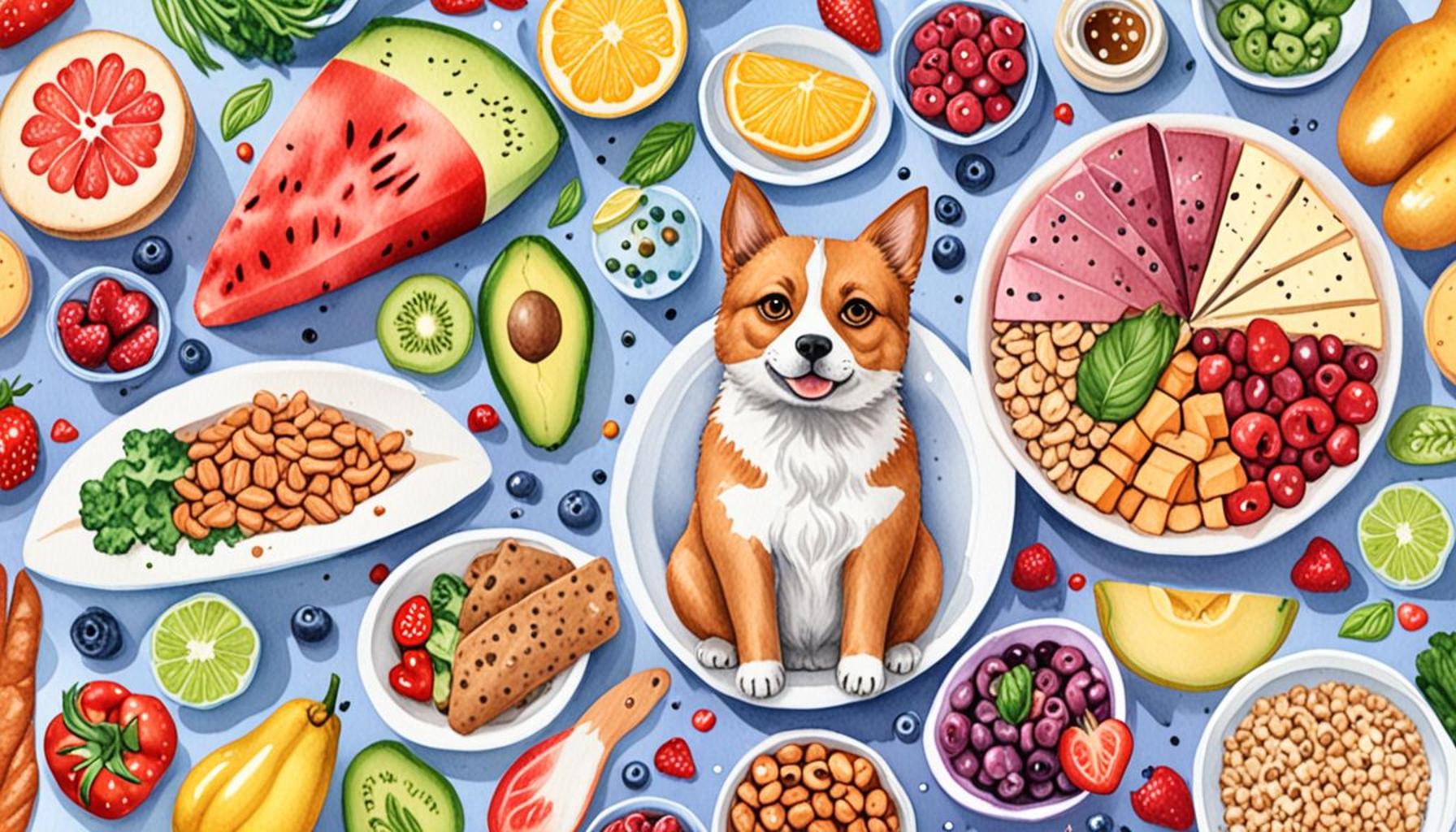
How Nutrition Influences the Development and Growth of Puppies: Guidelines for New Owners

The Importance of Nutrition in Puppy Development
As a new puppy owner, understanding the intricacies of nutrition is crucial for fostering the health and well-being of your furry friend. The foundation of your puppy’s future health is heavily influenced by the diet you provide, as it plays a pivotal role in their growth, development, and energy levels. Feeding your puppy the right diet not only aids in building strong bones and muscles, but it can also prevent obesity, digestive issues, and behavioral problems down the road.
Essential Nutrients
Puppies require a balanced diet rich in essential nutrients to support their rapid growth and energy needs. These nutrients include:
- Proteins: Vital for muscle development, proteins can be sourced from quality meats, fish, and some legumes. Look out for pet food that lists meat as the first ingredient.
- Fats: Healthy fats, such as those found in fish oil and chicken fat, are essential for brain development and maintaining a shiny coat.
- Carbohydrates: They provide a quick energy source, with wholesome grains like rice and barley being good options.
- Vitamins and Minerals: Essential for overall health, including calcium for strong bones and iron for healthy blood. A complete puppy food should meet these requirements, but you may consult a veterinarian for additional supplements based on your puppy’s needs.
Growth Stages
Understanding your puppy’s growth stages is essential to tailoring a diet that meets their evolving needs. Typically, puppies go through several stages: from the vulnerable neonatal phase to the exuberant juvenile stage and eventually into adulthood. Each stage has different caloric and nutritional needs. For instance, large-breed puppies, such as Great Danes or German Shepherds, may require food specifically formulated to support slower growth rates, preventing skeletal problems. Meanwhile, small-breed puppies need nutrient-dense food to support their rapid growth to adulthood.
Breed Considerations
Each dog breed has unique characteristics that may affect nutritional needs. For example, a Dachshund may require a diet that supports joint health due to their elongated spine, while Bulldogs might benefit from foods that assist with weight management due to their predisposition to obesity. It’s important to research the specific dietary requirements associated with your puppy’s breed.
Being informed about these factors can significantly impact your puppy’s development. In Nigeria, where local ingredients such as yam, plantains, and various meats are plentiful, consider blending these into your puppy’s meals while ensuring they meet the nutritional benchmarks set for canine diets. Many Nigerian pet owners turn to reputable veterinary clinics for guidance on how to optimize their puppy’s nutrition using available local ingredients, thereby integrating cultural feeding practices with modern veterinary advice.

Focusing on high-quality nutrition during your puppy’s formative years can pave the way for a vibrant and active adult life. As you embark on this journey with your new companion, remember that nurturing their growth through informed dietary choices is one of the most significant gifts you can offer. Explore reputable sources and consult your vet regularly to ensure you’re making the best choices for your pet’s nutritional health.
Understanding Puppy Nutrition Basics
Navigating the world of puppy nutrition can seem overwhelming for new dog owners, but grasping the essentials will serve as your first step in ensuring lifelong health for your companion. A well-balanced diet creates a robust foundation for physical and mental development during your puppy’s crucial growth phases. Starting off on the right paw with proper nutrition can set the stage for a less expensive and healthier journey through their adulthood.
Key Components of Puppy Nutrition
To provide a well-rounded diet, it’s important to focus on specific key components that puppies require in their food:
- Proteins: Proteins are pivotal for growth and overall health, serving as the building blocks for muscles, tissues, and organs. In Nigeria, sourcing proteins from affordable and nutritious options such as local fish, chicken, or even beef can cater to your puppy’s needs effectively.
- Healthy Fats: Essential fatty acids play a crucial role in brain health and coat quality. Incorporating oils, like sunflower or fish oil, can not only keep your puppy’s skin healthy but also enhance cognitive function.
- Fiber: Fiber, although often overlooked, is essential for digestive health. Incorporating fiber-rich foods such as sweet potatoes or pumpkin aids in maintaining proper digestion, helping to prevent constipation.
- Vitamins and Minerals: Vitamins A, D, E, and minerals like zinc and calcium are critical for bone development and overall immune function. A well-formulated puppy food should provide these nutrients, yet don’t hesitate to consult your veterinarian for necessities based on the unique health profile of your puppy.
These components should be interwoven into your puppy’s diet, ensuring a nutrient-dense intake tailored to their growth. Consider that feeding practices vary based on environmental factors, regional cuisine, and breed expectations, making it vital to adapt your puppy’s meals accordingly.
Feeding Guidelines for Optimal Growth
Adhering to recommended feeding guidelines can be the difference between undernourishment and healthier outcomes for your puppy. Typically, feeding should occur several times a day for younger puppies, and they should continue to be fed a puppy-formulated diet until they reach adulthood, generally around 12 months of age. It’s essential to follow the guidelines provided on pet food packaging, while considering your puppy’s age, weight, and activity level.
For proactive pet owners in Nigeria, utilizing local resources can provide beneficial insights into proper nutrition. As you establish a routine, be mindful of signs indicating whether your puppy is thriving or experiencing dietary deficiencies. Common indicators of a well-nourished pup include healthy and vibrant fur, active playfulness, and a regular feeding schedule without inconsistencies.
The journey of puppy rearing is an exciting adventure, and by prioritizing nutrition from the outset, you will reinforce their growth and development in leaps and bounds. By exploring options and maintaining regular consultations with trusted veterinarians, you are investing in a bright and flourishing future for your puppy.
| Nutritional Component | Benefits for Puppies |
|---|---|
| Proteins | Essential for muscle development and overall growth. |
| Calcium | Promotes bone strength and structural integrity. |
| Vitamins | Supports immune function and growth processes. |
| Fats | Provides energy and aids in nutrient absorption. |
Providing your puppy with a well-balanced diet from the very start is crucial. Puppies undergo rapid growth, and their nutritional needs are significantly different from adult dogs. The correct ratio of proteins to fats, carbohydrates, and essential vitamins and minerals is necessary to ensure that they develop correctly. For instance, the protein content in puppy food should be higher compared to adult dog food. This is because proteins serve as the building blocks for muscle development, which is pivotal during this growth phase.Moreover, calcium plays a vital role in ensuring healthy bone development, particularly during the early months when puppies’ skeletal systems are highly sensitive. Insufficient calcium can result in developmental disorders and long-term mobility issues. Additionally, vitamins such as A, D, and E are fundamental for enhancing the immune system and supporting growth, while healthy fats are critical for energy and dietary absorption.Offering top-quality puppy food and understanding the specific nutrient needs will facilitate optimal growth. Further exploration into dietary guidelines for puppies will unveil even more insights into this essential aspect of responsible pet ownership, ensuring new owners are well-equipped for the journey ahead.
Selecting the Right Puppy Food
Selecting the correct food for your puppy is crucial to their overall health and development. With an abundance of choices available in the market, including dry kibble, wet canned food, and raw diets, it can be challenging for new owners to determine which option best suits their puppy’s needs. Each type of food has its advantages, so understanding the options will aid in making an informed decision.
Commercial Puppy Food Versus Homemade Meals
One common question among new dog owners is whether to opt for commercially available puppy food or to prepare homemade meals. Commercial puppy food is formulated with a balance of nutrients, which simplifies the feeding process. Brands geared towards puppies often include appropriate levels of protein, fats, and essential vitamins.
In Nigeria, several reputable brands cater specifically to the nutritional needs of local dog breeds, which are important to consider. For example, brands like Royal Canin or Pedigree provide puppy formulations designed to support healthy growth and immune systems specific to the climate and local conditions.
On the other hand, homemade meals can offer full control over the ingredients, allowing for personalization according to your puppy’s preferences and specific dietary needs. When preparing homemade meals, however, it is essential to ensure a balance of nutrients. Consulting with a veterinarian or a pet nutritionist can help you establish a proper recipe that includes calcium sources, diverse protein profiles, and fiber for digestive health.
Understanding Puppy Feeding Schedules
Establishing a feeding schedule can further shape your puppy’s nutritional journey. Regular meal times help to create a routine, making it easier for the puppy to know when to expect food. Typically, puppies aged 8 weeks to 6 months should be fed three to four times a day, gradually transitioning to two meals a day as they approach adulthood. Overfeeding can lead to obesity, while underfeeding can hinder growth, so balancing portions based on their activity level and metabolic rate is critical.
Puppies should also have constant access to fresh water, as hydration is fundamental to their health and growth. Reflect on their water intake, especially during Nigeria’s heat; adequate hydration keeps them energetic and aids digestion.
Spotting Nutritional Deficiencies
As a new owner, being vigilant about your puppy’s health is essential. Nutritional deficiencies can manifest in various ways, such as dull fur or poor growth rates. Other symptoms to look out for include:
- Excessive shedding: This could indicate a lack of essential fatty acids.
- Low energy: A lack of proper nutrients can lead to lethargy.
- Digestive issues: Regular diarrhea or constipation may suggest dietary imbalances.
If you observe any unusual signs, it’s advisable to consult a veterinarian for a thorough examination and tailored dietary recommendations. Investing time in understanding your puppy’s nutritional needs can lead to a happy and healthy pet.
Conclusion
In the journey of raising a happy and healthy puppy, nutrition plays a pivotal role in supporting their development and growth. From selecting appropriate food to understanding feeding schedules, every decision you make contributes to your puppy’s overall well-being. New owners in Nigeria must acknowledge that the right blend of commercial puppy food or homemade meals can shape a dog’s health in significant ways. Considering local nutritional needs and environmental conditions is paramount, particularly when choosing brands like Royal Canin or Pedigree, which cater specifically to puppies’ requirements.
Furthermore, establishing a consistent feeding routine not only aids in digestion but also sets the stage for a disciplined growth pattern. Being vigilant about nutritional deficiencies can prevent potential health issues. Observing your puppy’s grooming quality, energy levels, and digestive health are critical indicators of their nutritional status.
New puppy owners are encouraged to consult with professionals, such as veterinarians or pet nutritionists, who can provide invaluable advice and tailor a diet plan suited for individual needs. Recognizing that the choices you make today will influence your puppy’s lifelong health is essential. Ultimately, an informed and conscientious approach to your puppy’s nutrition will not only support their physical growth but also strengthen the bond you share as they grow into a lively and engaging companion. Invest in their nutrition today for a vibrant tomorrow!