How to Use Clicker Training with Pets
Unlocking the Power of Clicker Training
Clicker training is more than just an effective dog training technique; it’s a revolutionary method that reshapes the way pet owners communicate with their companions. By employing a simple clicker—a small device that produces a distinct clicking sound—trainers can clearly indicate to pets the exact moment a desired behavior is performed. This clear communication can transform training into an engaging and rewarding experience for both animals and their human handlers.
Why Clicker Training?
Understanding the myriad benefits of clicker training can greatly enhance the bond between you and your pet. Here are some compelling reasons to embrace this method:
- Clear Communication: The click provides an immediate and unmistakable marker that captures the precise moment a behavior is executed correctly. This immediacy helps pets understand which actions are desirable.
- Positive Reinforcement: This technique operates on the principle of positive reinforcement, encouraging pets to repeat actions that have brought them a reward. This fosters an environment where pets feel motivated to learn.
- Builds Trust: With consistent use, pets begin to associate the click sound with positive outcomes, such as treats or praise. This association strengthens the bond of trust between pet and owner, leading to a more obedient and emotionally secure pet.
The Versatility of Clicker Training
One of the most exciting aspects of clicker training is its versatility. This method can be applied to a wide range of pets, including dogs and cats, as well as birds, rabbits, and even farm animals. For example, Nigerian goat herders might employ clicker training to teach their animals to respond to specific calls or commands in times of distress. This skill can significantly enhance the owners’ ability to manage their livestock effectively.
Moreover, the potential applications for clicker training are virtually limitless. From teaching basic commands like “sit” or “stay” to more complex tricks, such as rolling over or playing dead, clicker training opens a world of possibilities. This unique training can also be tailored to accommodate cultural nuances found within Nigeria, making it a locally relevant method that resonates with the audience.
As you dive deeper into the world of clicker training, you will uncover a variety of techniques and tips that can substantially improve your pet’s behavior and responsiveness. The key lies in patience, consistency, and above all, a willingness to enjoy the process together. Are you ready to discover the enriching journey that awaits you and your beloved pet?
Getting Started with Clicker Training
To fully unlock the potential of clicker training, it’s essential to understand the basic principles that make it so effective. The foundation of clicker training rests on the principles of operant conditioning, a learning process that hinges on rewards and punishment to influence behavior. In the case of clicker training, we focus on the rewards, creating an environment where pets learn through positive reinforcement.
Before you begin, gather a few essential items to ensure a smooth training experience:
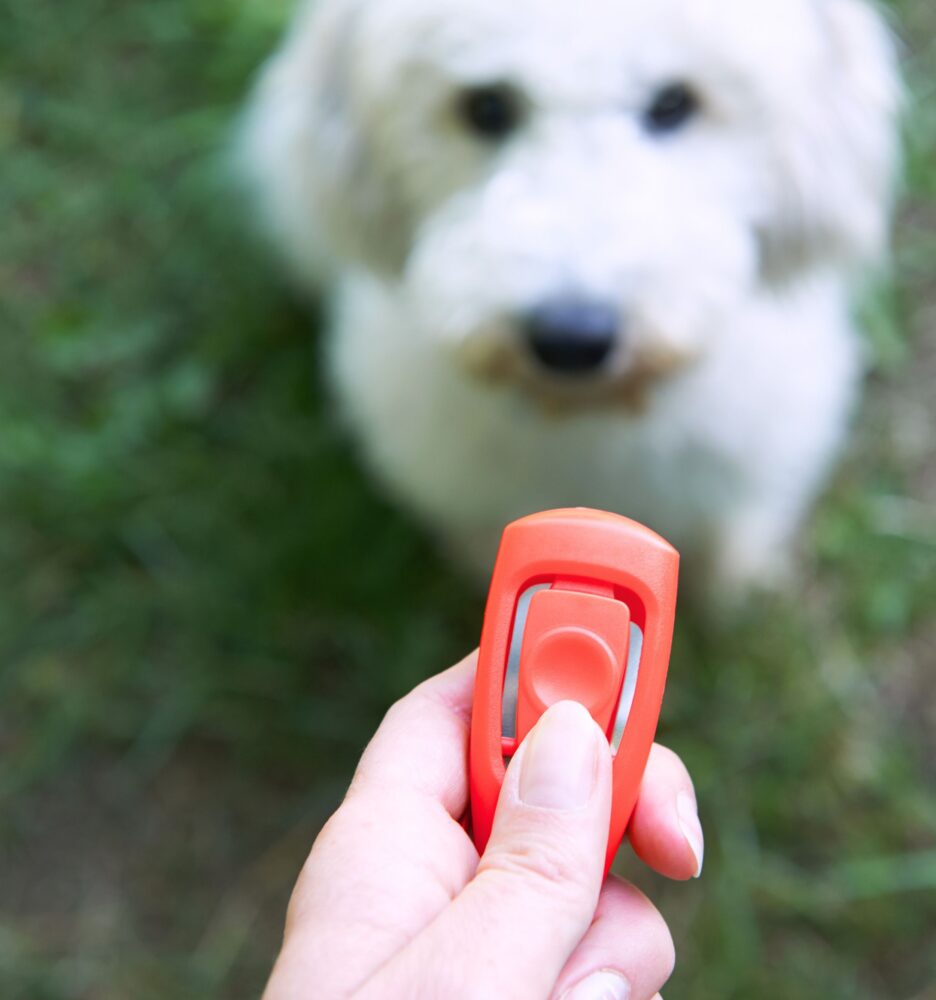
- A Clicker: This small device is pivotal in the training process. When you press the button, it produces a distinct sound that will mark the behavior you want to reinforce.
- High-Value Treats: Choose treats that your pet truly loves. These should be small, easy to chew, and motivating enough to capture their attention.
- Patience and Consistency: Training your pet will require these two vital attributes. Animals can sense your mood, so maintaining a calm demeanor is crucial.
- A Quiet Space: Start the training session in a distraction-free area. This will help your pet focus on the activity at hand and learn more efficiently.
Establishing the Click-Treat Connection
Before diving into specific training exercises, it’s essential to help your pet understand the click-treat connection. To achieve this, follow these steps:
- Introduce the Clicker: In a quiet environment, click the device without asking your pet to perform any specific behavior. Immediately follow the click with a treat. Repeat this a few times until your pet associates the sound of the clicker with receiving a reward.
- Observe Reactions: Pay attention to your pet’s response to the click. They may become more curious or excited, indicating they are starting to make the connection between the click and a reward.
- Timing is Key: Click at the precise moment your pet exhibits the desired behavior. For example, if you want your dog to sit, wait until they are in the sitting position before clicking and treating. The clearer the timing, the better they will understand what is expected of them.
As your pet becomes more familiar with the click-treat routine, you’ll notice they begin to offer behaviors more frequently, eagerly aiming to receive that rewarding click. It’s important to remember that training can also extend beyond basic commands. For instance, you might want to teach your pet some culturally relevant tricks that can impress family and friends during gatherings or celebrations in Nigeria.
By actively engaging with your pet and building on the initial amount of time spent establishing the connection, you create a strong foundation for effective training. The goal is not just about managing behavior but fostering a cooperative relationship where your pet feels understood and valued. As you progress, the journey of training can become not only educational but a fun bonding experience that enriches your life together.
| Advantage | Description |
|---|---|
| Positive Reinforcement | Clicker training is built around the idea of rewarding desired behaviors, which improves the learning experience for pets. |
| Clear Communication | The clicker serves as a clear marker for pets, signaling exactly when a behavior is correct, making training more efficient. |
| Builds Trust | Using a clicker can significantly enhance the bond between you and your pet, creating a more trusting and enjoyable training environment. |
| Versatile Application | Clicker training is not limited to basic commands but can be applied to various skills and behaviors, from simple tricks to more complex tasks. |
Understanding the intricate benefits of employing clicker training with pets reveals its effectiveness in establishing a harmonious relationship. This method harnesses the power of positive reinforcement, making pets more receptive to learning new commands. By marking desirable behaviors with a click sound, pet owners can communicate precisely when their pets are successful, thus enhancing the learning process. Notably, as the bond between owner and pet grows through consistent training sessions, the levels of mutual trust rise. The versatility of this training approach is unparalleled; it can cover behaviors from basic commands to intricate tricks. By integrating clicker training into your routine, you open a door to an enriching and rewarding experience for both you and your pet. The results are not just training successes; they are stepping stones toward a deeper understanding and connection with your furry companion.
Training Techniques and Exercises to Spark Engagement
Once your pet understands the connection between the clicker sound and receiving a treat, it’s time to dive deeper into specific training techniques and exercises. These activities not only help reinforce positive behaviors but also offer mental stimulation, which is vital for pets, especially in a lively environment like Nigeria.
Basic Commands to Start With
Begin your clicker training journey by teaching your pet some basic commands. These foundational behaviors will enhance your pet’s obedience and can be particularly useful in everyday situations. Here are a few essential commands to consider:
- Sit: One of the most basic commands, teaching your pet to sit sets the stage for more advanced training. Hold a treat above their head to encourage them to sit, then click as soon as their bottom touches the ground.
- Stay: Once they have mastered “sit,” you can progress to the “stay” command. Start by asking them to sit, then take a step back. If they remain seated, click and reward them.
- Come: This command is crucial for their safety. While your pet is on a leash, call them towards you with an enthusiastic tone. If they respond, click and reward them to reinforce the behavior.
Engaging Tricks to Keep Things Fun
As your pet becomes more adept at basic commands, introduce a few fun tricks that can challenge their skills while keeping training enjoyable. For example:
- Shake Hands: Promote interaction and bonding by teaching your pet to shake paws. Use the clicker as they naturally raise their paw, rewarding them immediately.
- Roll Over: Starting from a “lie down” position, encourage your pet to roll over by luring them with a treat. Click at the moment they successfully complete the roll, gradually shaping the behavior over time.
- Play Dead: This classic trick always garners laughter and enjoyment. As your pet lies down, encourage them to stay still and click when they do so. Add cue words such as “bang” for added fun.
Troubleshooting and Problem-Solving
Despite your best efforts, you may encounter challenges during your clicker training sessions. Here are a few common issues along with solutions:
- Lack of Interest: If your pet appears disinterested in the treats, try switching to higher-value options. For instance, many pets are particularly motivated by pieces of boiled chicken or small dog biscuits.
- Short Attention Span: Training sessions should be kept brief—around 5–10 minutes—to maintain your pet’s engagement. Frequent short sessions can yield better results than longer ones.
- Frustration: If your pet seems frustrated, take a break. Allow them to play or relax before resuming training. The goal of clicker training is to foster a positive experience.
In Nigeria, where social gatherings often involve pets, showcasing your pet’s new skills can lead to shared joy among friends and family. Whether it’s a neighborhood gathering or hosting guests, having a well-trained pet can enhance the overall experience, transforming your animal into a charming conversational participant.
Exploring various training techniques not only strengthens the bond between you and your pet but also promotes a healthier and happier life together. By blending fun, challenges, and rewards, clicker training evolves into an exhilarating adventure that benefits both you and your beloved animal.
Conclusion: The Path to a Harmonious Relationship
In summary, clicker training stands as a powerful tool for pet owners eager to nurture a well-behaved and engaged companion. By establishing a clear communication channel through the sound of the clicker, you not only teach your pet essential commands but also strengthen the bond between you. As we have explored, starting with basic commands like sit and stay, then moving on to engaging tricks such as roll over and shake hands, enhances not only behavior but also mental stimulation, making training a rewarding experience for both of you.
We recognize the unique environment in Nigeria, where community interaction with pets is not only common but cherished. Demonstrating your pet’s new skills can bring joy to gatherings, creating memorable moments and stories amongst friends and family. As you navigate the challenges of training, remember that patience and consistency are paramount. When faced with setbacks such as lack of interest or short attention spans, adjust your approach and keep training sessions fun and spirited.
Ultimately, the journey of clicker training is much more than educating your pet; it’s about embracing an exhilarating adventure that celebrates the bond of trust and love. Embrace the opportunity to discover the depths of your pet’s potential, and watch as they flourish into the charming companion you always envisioned. With commitment and creativity, you can transform your pet’s behavior and relationship with you, leading to a harmonious life together.