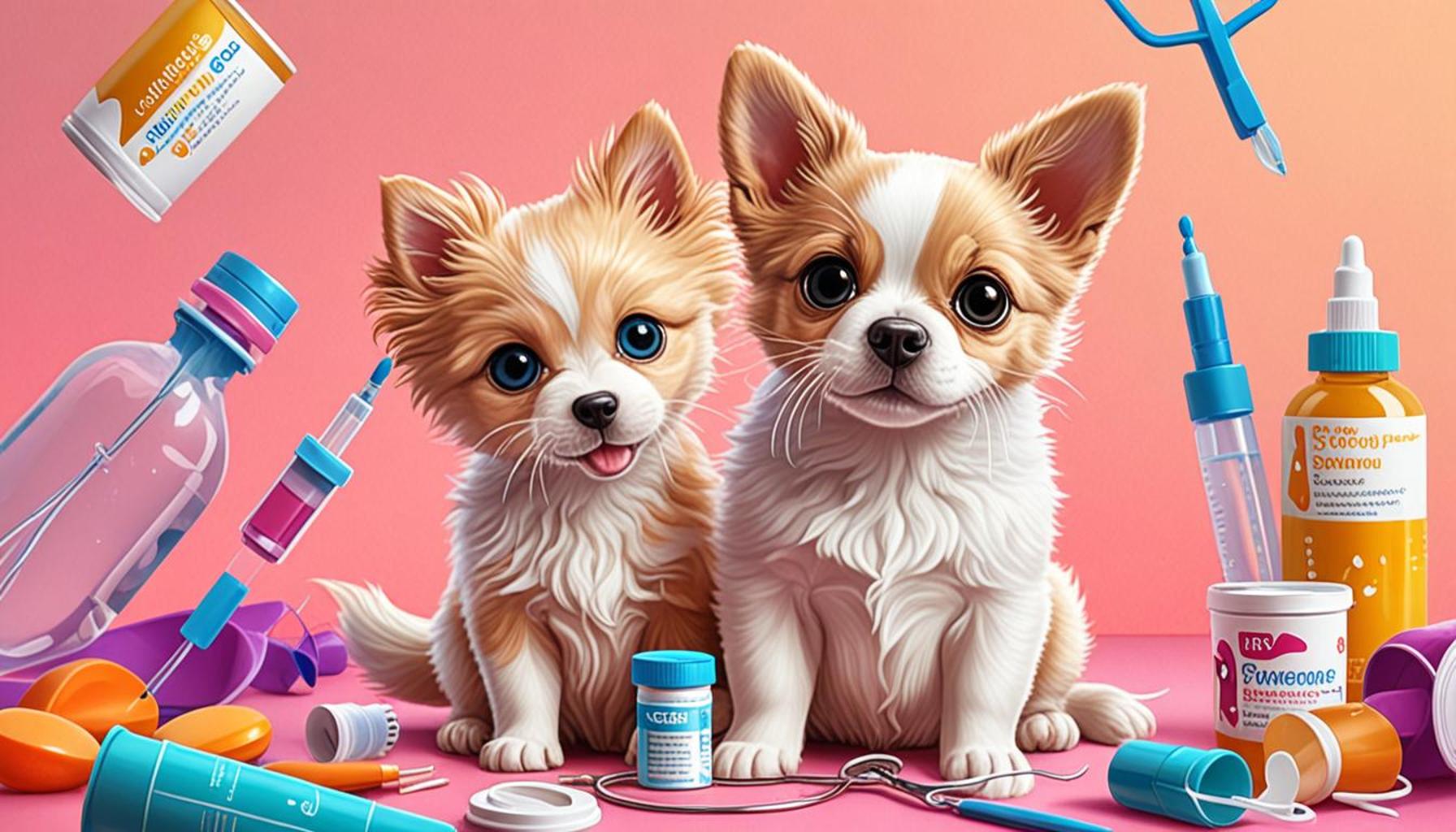
The Benefits of Animal-Assisted Therapy for Mental Health in Nigeria

Exploring the Benefits of Animal-Assisted Therapy
In recent years, animal-assisted therapy has gained traction as a transformative approach to mental health care in Nigeria. By integrating the companionship of animals with traditional therapeutic methods, this innovative practice has opened new avenues for emotional healing and psychological well-being. The increasing exploration of this therapeutic method reflects a positive shift in the perception of mental health issues across the nation.
As mental health awareness grows in Nigeria, many are beginning to appreciate the numerous advantages that animal-assisted therapy offers. Here are a few key benefits that illustrate why this approach is becoming increasingly popular:
- Enhanced emotional support: Animals, especially dogs and cats, provide a level of unconditional love and non-judgmental companionship that can significantly reduce feelings of loneliness, despair, and anxiety. Their presence can create a comforting environment, allowing individuals to express their emotions more freely.
- Improved social interactions: Engaging with therapy animals can encourage communication and bonding. For those struggling with social anxiety or shyness, the presence of a calm and friendly animal can serve as a bridge to initiating conversation and fostering connections.
- Stress reduction: Numerous studies indicate that mere interaction with pets can lead to lower cortisol levels—the stress hormone—and increased oxytocin levels, promoting relaxation and a sense of well-being. Just petting an animal can have calming effects, making clients feel more at ease during therapy sessions.
In Nigeria, where traditional views on mental health are gradually evolving, the incorporation of animals into therapeutic programs represents significant progress. Organizations such as Animal-Assisted Therapy Nigeria (AATN) are at the forefront, leading initiatives to train therapy animals and pair them with mental health professionals. Local practitioners are increasingly recognizing the profound impact these animals have on treating a variety of mental health challenges, from stress and depression to PTSD and ADHD.
Moreover, the idea of therapy animals is not entirely foreign to Nigerian culture. Many communities have long revered animals for their companionship roles, often utilizing them for emotional support in difficult times. By formalizing this relationship through structured therapy programs, there is potential to create a symbiotic bond that enhances emotional healing.
As this holistic therapy approach gains recognition, it encourages individuals and families to explore the promising realm of animal-assisted therapy. The potential for improved mental well-being—both at an individual and community level—could lead Nigeria towards innovative solutions in mental health care, ultimately paving the way for a more accepting and understanding environment for those facing psychological challenges.
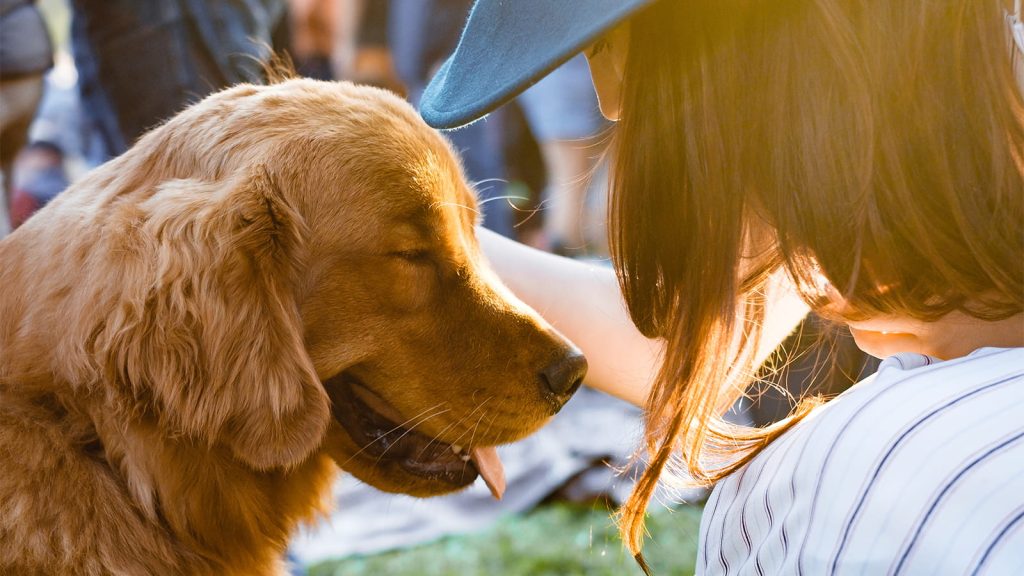
Transformative Effects of Animal-Assisted Therapy
Animal-assisted therapy is rapidly emerging as a viable and effective means of addressing mental health challenges in Nigeria. This therapeutic approach leverages the innate bond between humans and animals to foster emotional healing and enhance therapeutic outcomes. The unique attributes of animals, particularly their ability to provide comfort and companionship, are proving valuable in a landscape where mental health services are often under-resourced and stigmatized.
One of the most compelling benefits of animal-assisted therapy in Nigeria is its capacity to enhance emotional connection. The presence of therapy animals can provide an invaluable buffer against feelings of isolation and despair. For individuals battling depression or anxiety, the unconditional affection and companionship of animals, such as dogs and cats, can create a secure atmosphere. This nurturing interaction helps clients lower their emotional defenses, enabling them to engage in deeper conversations during therapy sessions.
Moreover, animal-assisted therapy is known to facilitate social interactions. In Nigeria, where communal ties are highly valued, therapy animals play a pivotal role in bridging gaps between individuals who may struggle with communication due to social anxiety or shyness. The simple act of petting or caring for an animal often brings about a sense of ease that encourages individuals to open up, thus fostering meaningful connections not only with the therapist but also with others in their lives. This dynamic can be crucial in cultures where discussing mental health issues is still seen as taboo.
Additionally, engaging with therapy animals can lead to significant stress reduction. Research from around the world underscores that interacting with animals reduces the levels of cortisol, a hormone associated with stress, while simultaneously elevating oxytocin, which promotes feelings of contentment and connection. In an age where anxiety disorders are becoming increasingly prevalent among Nigerians, the therapeutic use of animals provides a natural and effective means of alleviating stress during individual or group therapy sessions. Just spending time with a therapy dog, for example, can evoke feelings of tranquility and safety, allowing individuals to relax and express their feelings more candidly.
Even within the Nigerian context, the concept of utilizing animals for companionship and healing isn’t entirely new. Many families have long valued animals not only for social interactions but also for emotional support. By institutionalizing this practice through well-structured therapy programs, communities are beginning to recognize the therapeutic value of animals, thereby creating a more supportive environment for individuals in need.
As the appreciation for animal-assisted therapy expands, the potential benefits for mental health are becoming increasingly evident. Organizations such as Animal-Assisted Therapy Nigeria (AATN) are leading the charge in training therapy animals and integrating them into mental health practices, providing new hope and healing pathways for countless individuals facing psychological challenges. In a nation striving to improve mental health care, animal-assisted therapy holds promise as an innovative solution, blending cultural beliefs with modern therapeutic techniques to foster emotional resilience and well-being.
| Advantages | Description |
|---|---|
| Emotional Support | Animals provide unconditional love and emotional support, improving mental well-being. |
| Stress Reduction | Interactions with animals have been shown to lower stress levels and promote relaxation. |
| Social Interaction | Therapy sessions can foster connections between individuals and their communities. |
| Improved Mood | Animal-assisted therapy can lead to a significant increase in overall happiness. |
Animal-assisted therapy is a burgeoning field in Nigeria, tapping into the profound connections between humans and animals. This therapeutic approach encompasses various benefits, particularly concerning mental health issues such as anxiety and depression. Notably, studies indicate that interacting with therapy animals can elevate levels of the hormone oxytocin, fostering an emotional bond and enhancing feelings of safety and comfort. Furthermore, in a country where mental health awareness is growing yet still faces stigma, animal-assisted therapy emerges as a non-judgmental and effective intervention strategy. It encourages individuals to engage without fear of labels, while deepening their social interactions through community-centric initiatives that incorporate therapy dogs or cats into public spaces, schools, and healthcare settings. Moreover, the integration of such innovative practices not only aims to uplift the mental health sector but also highlights the role of animals as invaluable partners in healing. By continuing to explore and support these programs, Nigeria can pave the way for greater mental health solutions and provide a beacon of hope for many seeking relief from psychological distress.
Enhancing Mental Health Support through Animal-Assisted Therapy
In recent years, the integration of animal-assisted therapy (AAT) into mental health care has been met with growing enthusiasm among mental health professionals in Nigeria. This innovative therapy not only complements traditional therapeutic modalities but also enriches the treatment experience for those confronting mental health challenges. As awareness increases, more mental health facilities are leaning towards adopting AAT, recognizing its potential to bring about profound changes in emotional well-being.
One notable advantage of AAT is its ability to boost self-esteem. Individuals suffering from mental health disorders often grapple with feelings of inadequacy and low self-worth. Animals can play a vital role in restoring self-confidence through positive reinforcement. Activities such as training a therapy dog or caring for an animal can instill a sense of accomplishment. In Nigeria, local communities are beginning to see individuals, particularly children, blossom in confidence as they form connections with therapy animals, thereby reclaiming their sense of self-worth.
Furthermore, AAT can serve as an effective intervention for trauma recovery. Many Nigerians have experienced trauma related to socio-political unrest, economic challenges, or other distressing life events. Therapy animals provide a safe space for trauma survivors to explore their feelings without feeling threatened. The calming presence of a pet reduces anxiety, lowers blood pressure, and helps normalize discussions around their traumatic experiences. Programs offered in collaboration with local NGOs are increasingly using AAT to provide relief for trauma victims in urban areas, showcasing its relevance to the Nigerian context.
The benefits extend to a diverse range of demographics, proving particularly beneficial for vulnerable groups. For instance, children with autism or other developmental disorders in Nigeria are increasingly engaging with therapy animals to improve social skills and communication. Studies have shown that children respond well to animals, as they can engage more freely with them compared to their peers. This response often translates into improved interactions with humans, allowing these children to thrive socially and emotionally.
Moreover, the collaborative effort in training therapy animals by organizations like the Nigerian Society for Animal-Assisted Therapy is paramount. These organizations not only train the animals but also educate mental health practitioners on how to effectively integrate AAT into their therapeutic practices. This educational approach contributes to the sustainability of AAT programs across Nigeria, equipping therapists with the skills to use animals as an adjunct to their therapies.
The existing societal connection to animals in Nigeria furthers the impact of AAT. In cultures valuing the companionship of dogs, cats, and other animals, introducing AAT into the mental health sphere works seamlessly. The country’s history of animal companionship lays fertile ground for acceptance and understanding of AAT among the general populace. Recognizing these bonds highlights how the practice can garner community support, fostering a more inclusive environment for individuals seeking mental health care.
As Nigeria embarks on this revolutionary therapeutic journey, the development of policies promoting AAT could serve as a beacon of hope for many individuals. With government and non-governmental organizations looking to address mental health issues proactively, harnessing the strengths of therapy animals may lead to not just personal healing but also societal change. The transformative potential of AAT reinforces the need for innovative solutions to tackle mental health challenges, opening doors for healing pathways previously unexplored.
Conclusion: A Gateway to Healing and Hope
As Nigeria navigates the complex landscape of mental health, the incorporation of animal-assisted therapy (AAT) emerges as a pivotal, transformative solution. This innovative approach not only addresses the symptoms of various mental health conditions but also enhances the therapeutic process by fostering genuine connections between individuals and animals. Through its ability to boost self-esteem, facilitate trauma recovery, and support vulnerable demographics, AAT offers a comprehensive strategy that resonates on a deeply personal level.
The evidence supporting the efficacy of AAT, especially in the context of Nigeria’s unique socio-cultural environment, is compelling. As local communities witness the positive impacts on emotional well-being, self-worth, and social interactions—particularly among children and trauma survivors—the call for wider adoption of this therapeutic modality becomes increasingly urgent. It is evident that as these programs flourish, they provide not only individual benefit but also contribute to a collective healing process, fostering a more supportive community.
Furthermore, the ongoing collaboration between mental health practitioners and organizations dedicated to AAT training highlights a commitment to enriching therapeutic practices. As public awareness grows, so does the opportunity for government and non-governmental organizations to craft policies that promote AAT as a viable resource in addressing Nigeria’s mental health crisis.
In conclusion, the potential of animal-assisted therapy in Nigeria is not merely a trend but a beacon of hope for a brighter, more inclusive future for mental health care. By embracing the undeniable bond between humans and animals, Nigeria can unlock new pathways to healing, empowering individuals to reclaim their lives and contribute positively to society.