How to Deal with Separation Anxiety in Dogs: Strategies and Tips
Recognizing the Signs of Separation Anxiety in Dogs
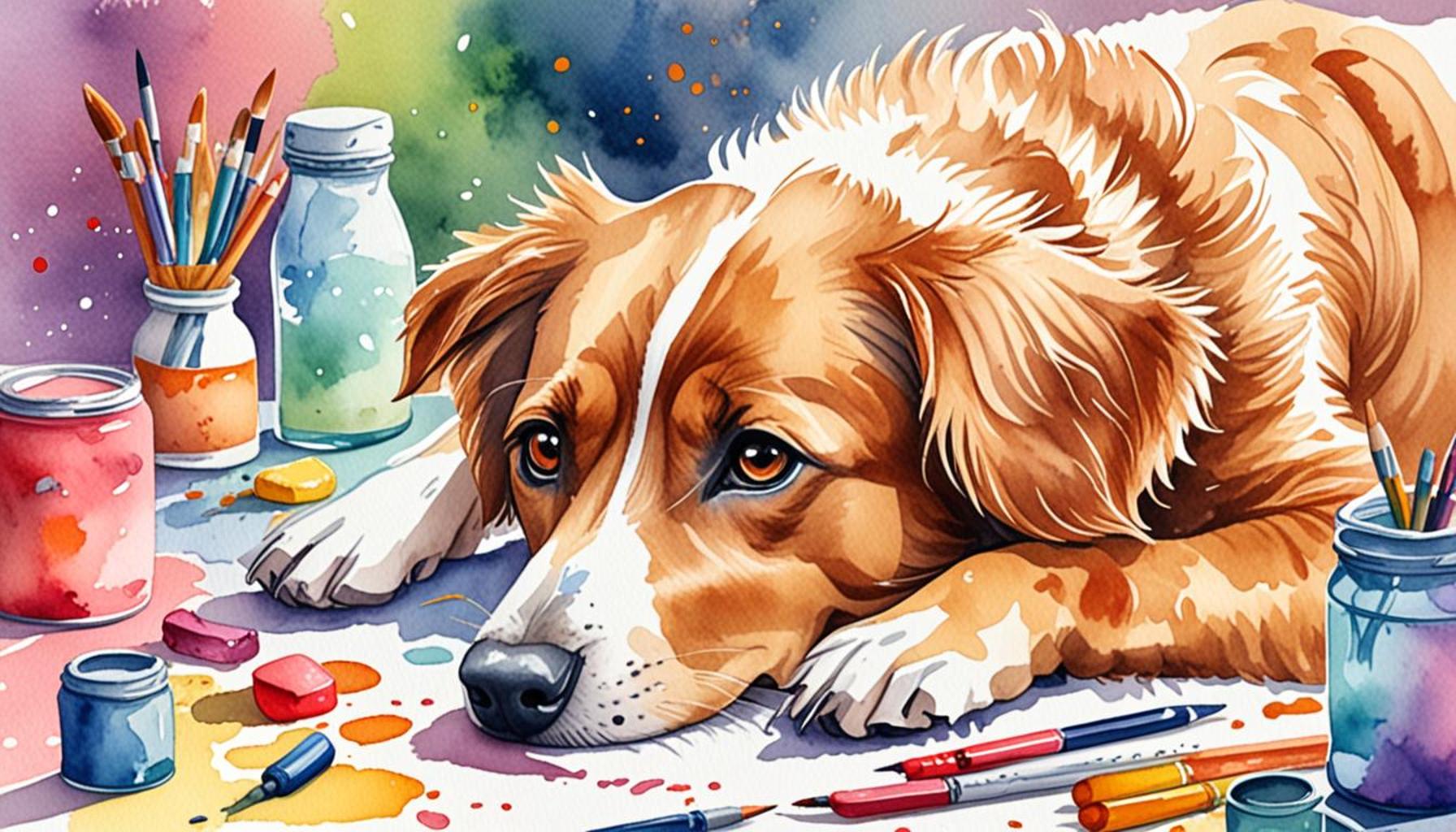
Have you ever returned home to find your dog in distress? This is a common scene for many pet owners dealing with separation anxiety. Dogs may experience this condition when left alone, leading to unwanted behaviors and emotional suffering. As caring and attentive pet owners, it’s crucial to understand what drives our furry friends to act out, particularly when they’re left alone.
Recognizing the signs of separation anxiety is key to providing timely intervention for your pet. The behavioral cues can vary widely, but here are some common indications to watch out for:
- Excessive barking or howling: Many dogs express their distress vocally. This can lead to complaints from neighbors and potentially a visit from local authorities.
- Chewing and digging: Dogs may resort to destructive behaviors, tearing apart furniture, or digging at doors and walls to escape their confinement.
- Urinating or defecating inside the house: Even house-trained dogs may lose control when they feel anxious, leading to unacceptable indoor accidents.
- Pacing or restlessness: Noticeable repetitive behaviors, such as pacing or circling, can signal anxiety and discomfort.
In Nigeria, many dog owners may overlook these behaviors, interpreting them as mere mischief or lack of training. However, these reactions often signal more profound emotional struggles. For instance, there is growing evidence that depression and anxiety in dogs can manifest when left alone. This necessitates an understanding of early intervention strategies to help your dog cope before the situation escalates.
It’s essential to note that not all dogs react the same way to separation. Several factors may contribute to the intensity of their anxiety, including:
- Age and breed: Younger dogs and certain breeds, such as Labrador Retrievers or Cocker Spaniels, are particularly prone to experiencing separation anxiety.
- Duration of time spent alone: The longer a dog is left alone, the more likely they are to develop anxiety. A busy professional who works long hours may find their dog increasingly troubled.
- Previous experiences with abandonment: Dogs that have been rescued or rehomed may have heightened fears of abandonment, which must be addressed with patience and sensitivity.
Fortunately, effective strategies exist to help your furry friend cope. From gradual desensitization techniques, crate training, to interactive toys that stimulate mental engagement, there’s a wide array of tools available to ease their anxiety. For example, leaving a piece of your clothing with your dog can offer them comfort when they feel alone, making them feel a connection to you.
This article will explore proven strategies and tips for managing separation anxiety in dogs, including how to create a calm environment and establishing a consistent routine. Understanding these aspects can provide you with the essential tools needed to foster a harmonious relationship with your beloved pet.
Strategies for Alleviating Separation Anxiety
Now that we’ve established a foundational understanding of separation anxiety in dogs and its signs, the next step is to explore effective strategies and tips to address this condition. As pet owners, discovering new approaches to help our dogs cope with their anxiety is not only beneficial for their well-being but also for maintaining a peaceful household.
One primary method that has garnered attention is gradual desensitization. This technique involves training your dog to become accustomed to being alone in small increments. Start by leaving your pet in a safe, cozy space for a few minutes while you step outside. Gradually increase the time you are away, ensuring that each session is short and positive. Over time, your dog will learn to associate your departures with calmness rather than panic.
Another effective strategy is implementing crate training. A crate can serve as a safe haven for your dog, provided that it is introduced positively. Choose a crate that is comfortable and roomy enough for your pet to stand, turn around, and lie down without restriction. Place their favorite toys and bedding inside, creating a cozy atmosphere. The goal is not to use the crate as a punishment but as a tranquil environment that your dog can associate with security.
Incorporating interactive toys into your dog’s routine can also divert attention from their anxiety. Toys that dispense treats or engaging puzzles can keep your dog occupied while you’re away, providing mental stimulation and positive associations with being alone. Rotate these toys regularly to maintain novelty and excitement.
Moreover, establishing a consistent routine can significantly ease your dog’s anxiety. Dogs thrive on structure, so having a regular schedule for feeding, walks, and playtime creates predictability in their lives. Consistency helps your dog understand when to expect you home, reducing their stress when left alone.
Here are some additional tips to consider:
- Practice short absences: Leave your dog alone for brief periods, gradually increasing the duration as they get more comfortable.
- Stay calm during departures and arrivals: Keep your goodbyes and hellos low-key to avoid building anticipation, which can heighten anxiety.
- Consider anxiety-reducing products: Various products, such as calming collars, pheromone diffusers, or anxiety wraps, can work in conjunction with other strategies.
- Seek professional help if needed: If your dog’s anxiety persists, consulting with a veterinarian or a certified dog trainer who specializes in behavior can provide personalized guidance.
Implementing these strategies may require commitment and time, but the end result is a more relaxed and content furry companion. As you embark on this journey, it’s essential to remember that each dog is unique. What works for one dog may not necessarily resonate with another, so patience and observation are key. By focusing on effective solutions tailored to your dog’s specific needs, you’ll be taking important steps toward alleviating their separation anxiety.
Understanding separation anxiety in dogs is crucial for pet owners, as it can significantly impact both the dog’s well-being and the owner’s quality of life. The symptoms often manifest in various forms, such as excessive barking, destructive behavior, or even attempts to escape. These behaviors are not just simple challenges; they reflect the dog’s distress when left alone. The root cause can be related to various factors including changes in environment, recent relocations, or even the loss of a companion. One effective strategy to alleviate separation anxiety is through desensitization. This involves gradually accustoming your dog to being alone for short periods and slowly increasing that time. Start with just a few minutes and gradually extend the duration as your pet becomes more comfortable. Coupled with this technique, providing your dog with a safe space can greatly enhance their sense of security. This could be a crate, a designated room, or even a cozy corner with their favorite toys and blankets. Another highly beneficial tactic is introducing interactive toys or puzzle feeders. These items keep your dog engaged and mentally stimulated, diverting their focus from your absence. Using calming aids such as pheromone diffusers, anxiety wraps, or natural supplements may also support their emotional well-being. With persistence and consistency, much can be done to help dogs manage their separation anxiety, making life more enjoyable for both pet and owner. Remember to consult with a veterinarian or a professional dog trainer when severe anxiety symptoms arise. They can provide tailored guidance and recommend further strategies, ensuring your canine companion receives the best possible care.
| Category | Description |
|---|---|
| Desensitization | Gradually extending time apart to reduce anxiety levels. |
| Interactive Toys | Keeps dogs mentally stimulated and distracted. |
Creating a Supportive Environment
Beyond specific training techniques, creating a supportive environment for your dog plays a crucial role in alleviating separation anxiety. Dogs are intuitive creatures that can pick up on their owner’s emotions and stress levels. Therefore, fostering a calm atmosphere not only helps your pet but also promotes your emotional peace.
One effective way to create this environment is through background noise. Leaving a TV or radio on while you’re away can provide a sense of security for your dog. The sound can help mask outside noises that might trigger anxiety, which is particularly helpful in regions with a lot of activity or noise, such as bustling urban areas in Nigeria. Opt for soothing music or dedicated playlists made specifically for pets, as studies indicate that these sounds can reduce stress levels in dogs.
Furthermore, incorporating elements of your scent can also be beneficial. Dogs rely heavily on their sense of smell, so leaving behind an article of clothing that carries your scent may provide comfort to your dog. The familiar aroma can have a calming effect, making them feel more connected to you in your absence.
Engaging in regular socialization can also mitigate insecurity in dogs. Regular interactions with other animals and people teach dogs to feel comfortable in various situations. Consider enrolling your dog in a local obedience class or doggy daycare, where they can learn to adapt to different environments and increase their comfort with being away from you.
Utilizing Professional Resources
Sometimes, addressing severe separation anxiety may require more than self-help strategies. Seeking out professional resources can provide additional support. A certified dog trainer or behaviorist can offer personalized plans tailored to your dog’s unique experiences. These professionals often utilize methods like counter-conditioning, which gradually changes your dog’s emotional response to separation.
Additionally, veterinary intervention might be necessary in more extreme cases. A veterinarian can assess whether medication could be a viable option for your dog. Anti-anxiety medication can serve as a temporary aid, allowing your pet to develop coping strategies without overwhelming stress. This route should be considered carefully and always discussed thoroughly with your veterinarian, especially since certain medications might be more suitable for different breeds or health conditions.
Embrace Patience and Consistency
It’s essential to embrace the ethos of patience and consistency throughout your journey to mitigate separation anxiety. Improvement may not happen overnight; some dogs take significantly longer to adjust than others. Understanding your dog’s body language is crucial in this process. Dogs express their feelings through behavior, and recognizing signs of stress, comfort, or anxiety will allow you to make informed decisions about their training and care.
In Nigeria, where society often encourages communal living, the concept of involving family and friends can also be beneficial. Having trusted individuals engage with your dog while you’re present, and occasionally while you’re away, can enhance your dog’s comfort and help normalize the experience of alone time.
Ultimately, navigating separation anxiety in dogs requires a holistic approach that encompasses environmental changes, training techniques, and professional support. By investing in your dog’s emotional well-being, you’re not just enriching their life but fostering a stronger bond between you both as companions and family members.
Final Thoughts on Managing Separation Anxiety in Dogs
Dealing with separation anxiety in dogs can be a challenging yet rewarding endeavor. By applying the right strategies and tips, you not only help ease your pet’s distress but also foster a stronger, more secure relationship between you and your furry friend. From creating a supportive environment to utilizing professional resources and embracing the importance of patience and consistency, each step you take can significantly influence your dog’s capacity to cope with being alone.
The emotional well-being of your dog is paramount. By engaging in regular socialization and establishing routines, you promote resilience in your pet, enabling them to adapt to various situations. Afternoons spent at dog parks or attending puppy playdates not only enrich your pet’s life but also provide critical skills necessary for confidence and independence.
Moreover, it’s vital to recognize that every dog is unique. What works for one may not be effective for another. Consider evaluating your dog’s specific needs and adjusting your approach accordingly. Consulting a veterinarian or certified trainer can provide the tailored support necessary to address severe cases of anxiety.
As you embark on this journey towards alleviation and understanding, remember that both you and your pet are learning together. Celebrating the small victories, whether it’s your dog spending a few extra minutes alone or remaining calm during your absence, enhances the bond you share. In a diverse and vibrant place like Nigeria, where community matters, finding support among fellow dog owners can also bring new insights and strategies.
In conclusion, by investing time and effort into your dog’s emotional health, not only are you improving their quality of life, but you are also creating a happier home for both you and your beloved pet. Your commitment can turn separation anxiety into an opportunity for growth, connection, and joy in your shared lives.