Impact of Home Cooked Food on the Health and Well-Being of Pets
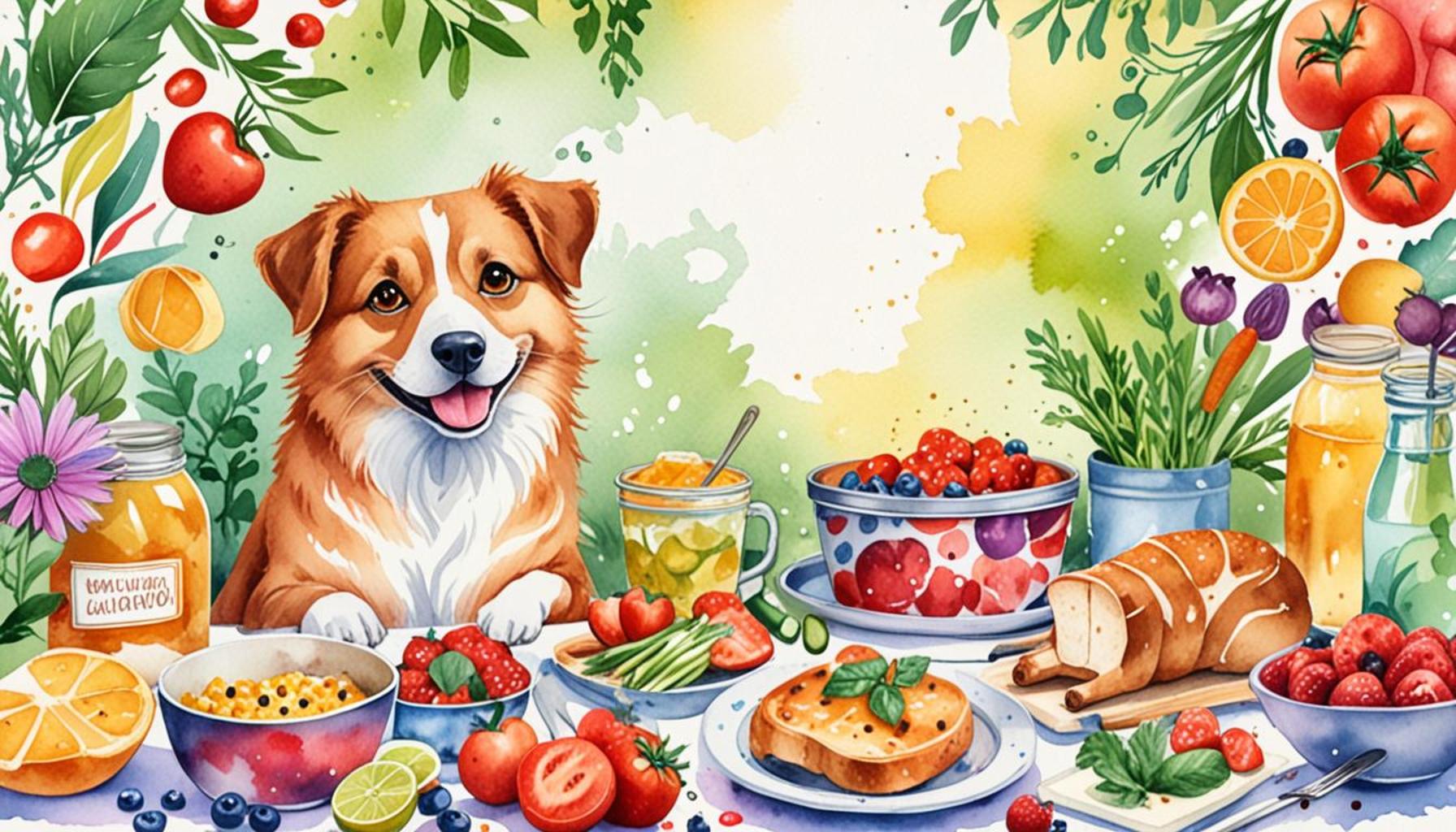
The Rising Trend of Cooking for Pets in Nigeria
As more Nigerians embrace the joys and responsibilities of pet ownership, a significant transformation in pet nutrition is taking place. Many dog and cat owners are now reconsidering what goes into their beloved furry companions’ bowls, leading to an increased interest in home cooked food options. This movement towards preparing meals at home arises largely from concerns surrounding the ingredients found in commercial pet food, prompting a shift in dietary practices that could have profound effects on the health and well-being of pets.
One of the most compelling reasons for this trend lies in the aspect of quality control. Home cooking allows pet owners to choose fresh ingredients without the worry of synthetic additives, colorings, or preservatives that are often included in commercial brands. For instance, by using local produce like yam, jute leaves, or chicken sourced from trusted vendors, owners can take charge of their pets’ diets, ensuring the meals are wholesome and safe.
Customizing Meals for Healthier Options
The customization aspect of home cooked meals cannot be overlooked. Every pet is unique, and many struggle with specific dietary needs, ranging from allergies to sensitivities. A common example is the prevalence of grain allergies in dogs, which can lead to skin irritations or digestive upset. By preparing meals at home, pet owners can easily avoid specific allergens and create tailored dishes that cater to their pets’ unique health profiles. For example, a rice and chicken mix can be an ideal meal for dogs allergic to grains.
Nutritional Benefits and Bonding Opportunities
Another key advantage of home cooking is nutritional awareness. With an increasing focus on wellness, pet owners can utilize local ingredients to ensure their pets receive a balanced and nutritious diet. For instance, incorporating vegetables like carrots and spinach not only adds essential vitamins but also provides variety that keeps mealtime interesting for pets. The integration of these local ingredients also nurtures a connection to the community, where owners can source fresh produce from local markets in cities like Lagos or Abuja.
The ritual of preparing meals from scratch can also enhance the bond between pets and their owners. This emotional connection is reflected in the digestive health of pets; a well-planned and nutritious diet can significantly mitigate common digestive problems, such as bloating or constipation. Furthermore, pets may display increased energy levels and vitality as a result of consuming fresh, high-quality food, leading to more engaging and active lifestyles. Healthier meals can even contribute to longevity, as pets thrive on balanced diets that nurture their physical and emotional well-being.
In summary, the shift towards home-cooked meals for pets in Nigeria is more than just a trend—it reflects a heartfelt desire from owners to provide the utmost care for their furry friends. As this practice continues to gain momentum, discussions surrounding the impact of home cooked food on pet health and happiness are likely to expand, inviting more pet parents to explore this fulfilling culinary journey.
The Nutritional Edge of Home Cooked Meals
The impact of home cooked food on the health and well-being of pets is becoming increasingly clear as more pet owners take the plunge into meal preparation. When pet owners opt for home-cooked meals, they gain specific advantages that commercial pet food simply cannot replicate. One of these significant benefits lies in the control over nutritional value. Home cooking allows owners to blend a wider range of nutrients and ingredients tailored to their pets’ needs. As different pets require diverse nutritional profiles, owners can adjust their cooking to meet these dietary requirements.
Understanding the ingredients being used is vital for pet health. For example, while standard kibble might include mysterious meat by-products, owners cooking at home can source fresh, high-quality proteins such as fish, chicken, or beef from nearby markets, ensuring that their pets are not exposed to inferior components. Including sources of omega-3 fatty acids, such as fresh fish, can significantly contribute to enhanced coat quality and skin health, while incorporating vegetables and grains can provide essential fiber for digestive health. This awareness of ingredients empowers pet owners to create more balanced meals.
Common Ingredients for Optimal Pet Nutrition
When cooking for pets, it is essential to ensure a well-rounded diet. Here are some common ingredients that can be integrated into a pet’s meals:
- Proteins: Lean meats like chicken, turkey, and beef; fish for omega-3 fatty acids.
- Vegetables: Carrots, peas, spinach, and sweet potatoes offer essential vitamins and minerals.
- Grains: Brown rice and oats can be excellent carbohydrate sources for energy.
- Fruits: Apples, blueberries, and bananas (in moderation) are great treats rich in antioxidants.
Another critical aspect of home cooking is the ability to avoid toxins that may be harmful to pets. Certain foods are simply not safe for pet consumption and are often included in commercial pet foods without clear labeling. Ingredients such as chocolate, onions, and garlic may not only be absent in home-cooked meals but easily excluded from a pet’s diet, keeping them healthy and safe.
Long-term Health Benefits of Fresh Meals
Research indicates that pets receiving balanced, home-cooked diets often experience significant health improvements. A transition to home-cooked meals could potentially lead to positive outcomes such as:
- Increased energy levels due to better quality nutrition.
- Improved coat condition, with fewer skin irritations and shedding.
- A reduction in food-related allergies or digestive issues associated with artificial ingredients.
- Enhanced overall wellness, contributing to longevity and a more active lifestyle.
In conclusion, the impact of home cooked food extends far beyond mere taste preferences; it fundamentally alters the trajectory of pets’ health and happiness. By equipping themselves with knowledge and resources to prepare wholesome meals, pet owners in Nigeria can foster an environment where their beloved companions thrive both physically and emotionally. As this trend grows, compelling narratives surrounding the subject will continue to surface, encouraging more owners to invest in their pets’ dietary well-being.
| Category | Details |
|---|---|
| Nutritional Control | Home cooked meals allow pet owners to control ingredient quality, ensuring nutritious ingredients are included and harmful additives are avoided. |
| Health Improvement | Pets receiving tailored diets often show improvements in skin health, energy levels, and reduced allergies, reflecting better overall health. |
| Strengthened Bond | Cooking at home fosters a deeper connection between pets and owners, enhancing the emotional bond through shared meals and care. |
| Custom Dietary Needs | Home cooking allows for the customization of meals based on pets’ specific health requirements, such as weight management or food sensitivities. |
Pet owners are increasingly recognizing the impact of home-cooked meals on the health and well-being of their furry companions. By choosing fresh ingredients, they can greatly enhance the nutritional value of their pets’ diets. In addition, home cooking can significantly improve various health aspects, from reducing allergens to elevating energy levels. The emotional bond between pets and their owners can also strengthen through shared culinary experiences. This approach enables tailored diets that address individual health needs, showcasing the importance of mindful eating for pets. As the trend continues to grow, many pet owners find joy and satisfaction in the benefits that home-cooked meals can provide.
Enhancing the Human-Pet Bond Through Home Cooking
Beyond the tangible benefits of nutrition, home-cooked meals for pets can significantly enhance the bond between owners and their furry companions. Preparing meals at home provides a unique opportunity for pet owners to spend quality time with their pets while ensuring their dietary needs are met. The act of cooking itself becomes a shared experience, deepening the mutual trust and affection.
The act of involving pets in meal preparation can take on many forms, from letting them observe the cooking process to allowing them to sample fresh ingredients. This not only keeps pets engaged but also opens the door for pet owners to teach them about healthy eating habits, even if in a playful manner. Dogs and cats who feel included in these activities may exhibit less anxiety and improved behavioral traits, leading to a more harmonious household.
Customizing Diets for Specific Needs
Another compelling aspect of home cooking is the ability to tailor diet plans for pets with specific health conditions or dietary restrictions. For instance, elderly dogs may require softer foods that are easier to chew, while pets with food allergies might benefit from customized meals that exclude triggering ingredients. Ingredients such as sweet potatoes and brown rice can offer digestible energy for sensitive digestive systems, while avoiding commercial options that could contain fillers and allergens.
Moreover, dietary management of pets with chronic illnesses, such as diabetes or kidney disease, becomes more feasible when meals are prepared at home. For example, low-sodium meats and carefully controlled carbohydrates can be integrated into a pet’s meals, promoting better health outcomes. Owners can conduct research and collaborate with veterinarians to ensure they provide adequate nutrition tailored to their pets’ medical needs.
Cultural Influences on Pet Nutrition
In Nigeria, where traditional cooking is celebrated, the notion of preparing fresh meals for pets does not seem far-fetched. Ingredients such as fish, chicken, and vegetables commonly associated with local cuisines can easily be adapted for pets. These meals not only provide nutrition but can incorporate familiar flavors that resonate with the owners, creating a culturally rich dining experience for pets.
Additionally, there is an emerging trend among pet owners in Nigeria to explore locally sourced ingredients that are not only cost-effective but also environmentally friendly. Utilizing local produce not only supports local farmers but enhances the freshness of pet meals. For example, vegetables like ugwu (pumpkin leaves) and moi-moi leaves can be nutritious additions to pet diets, providing essential vitamins while keeping the dietary components diverse.
Addressing Misconceptions About Home Cooking
Despite the many benefits, some pet owners may harbor misconceptions about the complexity or time constraints associated with home-cooked pet meals. It’s important to note that meal preparation can be as simple or sophisticated as the owner wishes it to be. With a little planning and creativity, meal batches can be prepared in advance and stored for convenient access. Moreover, investing time into pet nutrition can yield significant health benefits, making it a worthwhile endeavor.
Research indicates that 70% of pet owners who switch to home-cooked diets report noticeable health improvements in their pets within weeks. This statistic emphasizes the profound effect of cooking fresh meals and adapting pet diets to their individual needs. By challenging misconceptions and embracing meal preparation, pet owners can continue to pursue healthier and happier lives for their pets.
Concluding Thoughts on Home-Cooked Food for Pets
In conclusion, the impact of home-cooked food on the health and well-being of pets is profound and multifaceted. By taking the initiative to prepare meals at home, pet owners can advocate for better nutrition tailored specifically to their pets’ dietary requirements. This not only addresses health issues more effectively but also promotes a stronger emotional connection between owners and their beloved companions through shared experiences in the kitchen.
Moreover, home cooking presents an opportunity to incorporate local ingredients, such as ugwu and other familiar staples, allowing pet owners to customize meals that resonate culturally while enhancing their pets’ nutritional profiles. As families gather around the meal preparation process, the sense of inclusion benefits not just the pets but also strengthens the family bond.
It is essential for pet owners in Nigeria and beyond to acknowledge the advantages of home-cooked meals while dispelling common misconceptions regarding the time and effort involved. With 70% of pet owners reporting health improvements after transitioning to home cooking, the statistics speak for themselves. By prioritizing nutrition in their pets’ lives, owners can experience a happier, healthier relationship with their pets, ultimately leading to enriched lives for both parties.
As the world increasingly recognizes the benefits of holistic pet care, the move towards home-cooked diets emerges not just as a trend, but as a vital aspect of pet ownership. Embracing this approach fosters a culture of responsibility, ensuring that our pets thrive with love, nutrition, and care.