
The Power of Diversification: How to Vary Your Practices for Effective Learning
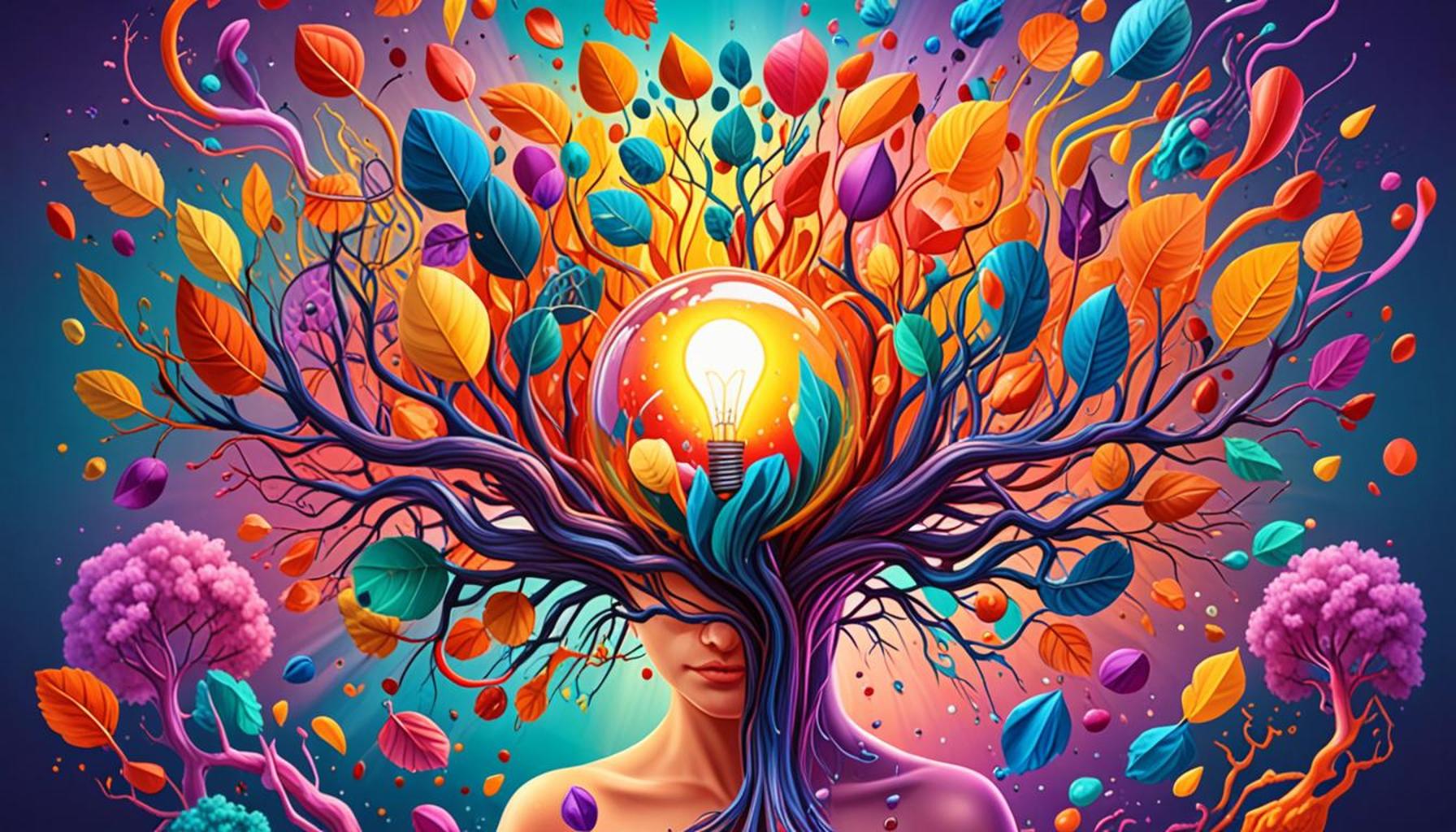
The Importance of Diverse Learning Methods
In a rapidly evolving global landscape, the notion of relying solely on a single approach to education can significantly hinder personal and professional development. Diversification in learning techniques is essential for unlocking potential and achieving holistic understanding. By embracing a variety of learning methodologies, individuals can tackle complex subjects and challenges more effectively.
Let’s look into several key advantages of incorporating diverse learning methods:
- Increased Retention: Research shows that utilizing multiple techniques, such as visual aids, auditory materials, and hands-on experiences, can significantly enhance memory retention. For example, a student who uses diagrams to visualize a biological process while simultaneously listening to a podcast about the same topic may remember the information better than through textbook reading alone.
- Engagement: Exposure to various formats—whether it’s interactive digital content, traditional lectures, or group activities—keeps learners motivated and immersed in the learning process. A study conducted in Nigerian schools found that students who engaged with multimedia resources showed higher levels of enthusiasm and participation compared to their peers who relied exclusively on conventional textbooks.
- Adaptability: In preparing for real-world applications, adapting to different learning styles is crucial. For instance, professionals in fields like marketing or technology must be able to pivot between data analysis, creative brainstorming, and client presentations. Exposure to various learning environments equips individuals with the confidence to tackle diverse challenges.
In Nigeria, the educational landscape often showcases disparities in available resources. Many schools operate with limited materials while others benefit from advanced technology. A blend of traditional techniques—such as storytelling and collaborative learning—with modern digital tools like educational apps and online resources enriches the learning experience. For instance, a teacher who combines a local history lesson with an online interactive map can help students visualize geographical changes over time, making the subject matter more relatable and memorable.
Additionally, instructors who actively incorporate a range of teaching strategies can better meet the diverse needs of their students. This inclusive approach encourages students from various backgrounds to share their perspectives and insights, fostering a richer educational environment that benefits everyone.
As you explore the intricacies of effective learning, consider how the application of diversified practices may revolutionize your educational journey. Are you intrigued by how these strategies can enhance your own learning experiences? Take the time to delve deeper into the transformative potential of diversified methods in your pursuit of knowledge.
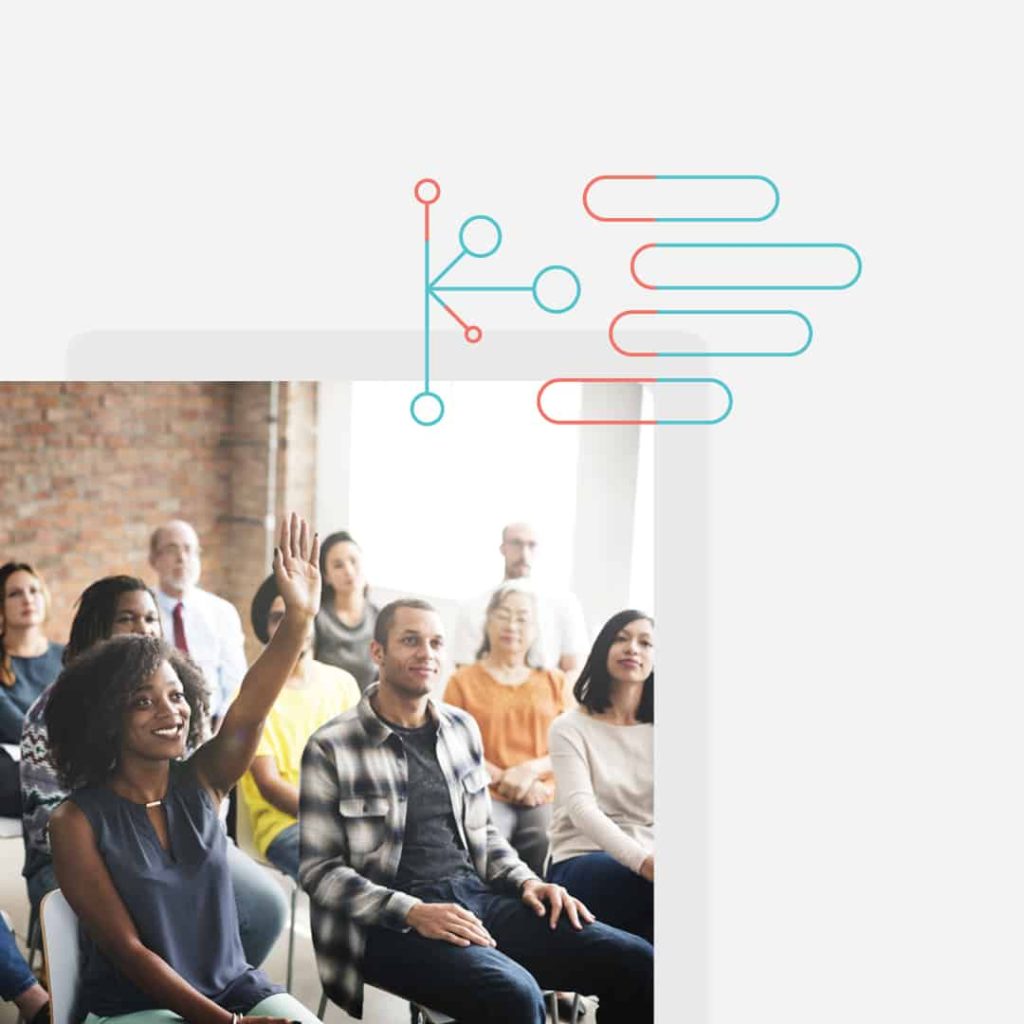
ADDITIONAL INSIGHTS: Expand your understanding here
Maximizing Learning through Varied Approaches
The quest for effective learning is more than just the pursuit of knowledge; it involves discovering the most efficient ways to absorb and apply information. Embracing diverse learning techniques proves to be a game-changer in this journey. Notably, employing a variety of practices can cater to different cognitive preferences, ensuring that learners maximize their potential. The strategy allows for a more personalized educational experience that feels both relevant and engaging.
One of the significant benefits of varied learning practices is the cultivation of critical thinking skills. When students are exposed to multiple viewpoints and problem-solving strategies, they learn to analyze situations more holistically. For instance, a group of students studying a complex societal issue in Nigeria might engage in a debate while simultaneously reviewing case studies and engaging with local community leaders. This multifaceted approach encourages deeper understanding and fosters the ability to think critically about real-world scenarios.
Moreover, the integration of different learning modalities caters to the unique styles of various individuals. In Nigeria, where students come from diverse backgrounds and experiences, teachers can implement tailored strategies that address these differences. Consider the use of kinesthetic learning for students who thrive on activity: incorporating role-play scenarios into historical lessons allows them to physically engage with the content, enhancing retention and understanding.
- Visual Learning: Utilizing graphics, videos, and infographics to explain complex ideas can aid visual learners in grasping key concepts.
- Auditory Learning: Consider the essential role of discussions and presentations in reinforcing knowledge for those who retain information better through hearing.
- Collaborative Learning: Group projects foster teamwork and encourage pupils to learn from each other’s strengths, effectively deepening their understanding of the subject matter.
The adaptability of diversified learning methods reflects the dynamic nature of today’s workplace. In Nigeria’s fast-paced economy, where innovative solutions are paramount, learners who familiarize themselves with various approaches are better equipped to face challenges. For instance, a young entrepreneur may benefit from workshops combining hands-on activities and lectures, enhancing both practical experience and theoretical knowledge.
Furthermore, digital tools offer unrivaled opportunities to diversify learning practices. With the rise of e-learning platforms, students can access a wealth of resources beyond their traditional classrooms. Online courses, virtual simulations, and interactive apps introduce a level of flexibility that allows learners to explore topics in a self-paced environment. For example, platforms like Coursera and Udemy provide learners with the chance to delve into new subjects while fitting their education into their busy lives.
In conclusion, the power of diversification in learning not only enhances retention and engagement but also arms individuals with the skills necessary for success in various contexts. By varying practices and incorporating diverse methodologies, learners can unlock their full potential and navigate the complexities of a constantly changing world. As you consider your own learning style, think about how you can implement these strategies to drive your educational journey forward.
| Category | Details |
|---|---|
| Cognitive Benefits | Diverse practices stimulate multiple cognitive processes, enhancing memory retention and understanding. |
| Skill Development | Engaging in varied methods helps build a wider range of skills, preparing learners for real-world applications. |
| Engagement | Mixing learning practices keeps learners motivated and involved, reducing boredom and staleness. |
| Adaptability | Diverse techniques encourage adaptability, making it easier for learners to adjust to new challenges. |
The advantages of a diversified learning approach extend beyond mere engagement; they promote a richer educational experience. Techniques that incorporate visuals, hands-on activities, and discussions not only engage various learning styles but also facilitate deep understanding. For instance, integrating technology with traditional learning methods can harness different learning channels, appealing to auditory, visual, and kinesthetic learners alike. Moreover, a well-rounded curriculum that embraces a myriad of subjects prepares students for competitive environments where creative problem-solving skills are paramount. Studies show that learners who practice diversified methods develop enhanced critical thinking abilities, allowing them to excel in assessments and in life situations. In the evolving landscape of education, understanding and implementing these diversified practices not only fosters effective learning but also equips individuals to navigate an increasingly complex world. By adopting this dynamic approach, learners position themselves to harness their full potential and embrace lifelong learning with confidence and enthusiasm.
LEARN MORE: This related article may interest you
Fostering Adaptability through Varied Learning Practices
In today’s interconnected world, adaptability stands as a cornerstone of effective learning. The ability to adjust one’s approach to diverse learning practices prepares students not just for academic success, but for life in an ever-evolving job market. In Nigeria, the challenges faced by the youth require a robust skill set that includes problem-solving, communication, and the capacity to embrace change. By diversifying educational methods, educators can cultivate these essential traits amid their students.
One successful implementation of diversified learning can be seen in the field of STEM education. Integrating science, technology, engineering, and mathematics through hands-on projects or collaborative workshops not only engages students but also encourages innovative thinking. For example, engineering students at Nigerian universities might work together to design sustainable solutions for local communities, learning to apply theoretical concepts in practical settings. This blend of theoretical knowledge and real-world application fosters creativity and prompts students to explore various avenues in problem-solving.
Moreover, engaging with different cultural contexts can enrich the learning experience significantly. Nigerian students, often surrounded by a wealth of cultural diversity, can enhance their education through exposure to various traditions and perspectives. Interdisciplinary learning encourages students to draw connections between different subjects—such as art and history or literature and geography—thus allowing them to see the world through a multifaceted lens. For instance, a history lesson that incorporates art from the era being studied creates a more vivid and engaging learning atmosphere, enabling students to understand the nuances of their heritage.
- Experiential Learning: Opportunities such as internships and community service projects allow students to bridge the gap between classroom theory and practical experience. For instance, volunteering for non-profit organizations can instill civic responsibility while also honing skills relevant to their career aspirations.
- Problem-Based Learning: Presenting learners with real-world challenges encourages them to work collaboratively, think critically, and develop practical solutions. It could be a group examining water sanitation issues in rural Nigeria, which would require both research and community engagement.
- Reflective Practices: Prompting learners to reflect on their experiences and what they have learned can increase self-awareness and solidify understanding. Journaling or group discussions can serve as tools to facilitate this growth.
The role of technology in diversifying learning practices cannot be understated. Virtual and augmented reality technologies have become mainstream educational tools, particularly for complex subjects such as anatomy or environmental science. Nigerian schools that adopt these technologies can provide students with immersive experiences that enhance comprehension and retention. By transporting students into virtual classrooms that mimic real-life scenarios, they can practice skills in environments designed for experiential learning, making education both exciting and impactful.
Additionally, the role of social media as a learning resource has gained popularity among youth. Platforms like Instagram, LinkedIn, and Twitter host communities that share knowledge with a global audience. Nigerian students can benefit from following thought leaders and engaging in discussions online—a practice that encourages networking and broadens their understanding of both local and global issues.
Employing diverse learning strategies goes beyond mere variety; it’s about enriching the educational experience. The combination of adaptability, cultural exposure, technology integration, and collaboration creates well-rounded individuals prepared to thrive in a dynamic, globalized society. As the learning landscape continues to evolve, embracing these diverse methodologies will be essential for both students and educators seeking to harness the full potential of their educational journeys.
LEARN MORE: This related article may interest you
Conclusion: Embracing a Transformative Approach to Learning
In summary, the power of diversification in learning practices cannot be overstated, particularly in the context of Nigeria’s unique educational landscape. By embracing varied methodologies—from experiential and problem-based learning to interdisciplinary and reflective practices—educators and students alike can tailor their educational experiences to meet the demands of a rapidly changing world. The integration of technology and engagement with cultural diversity further enhances this approach, providing a rich tapestry of learning opportunities that cater to different learning styles.
As we continue to navigate the complexities of globalization, it becomes increasingly vital for students to develop a versatile skill set that empowers them to tackle real-world challenges. Exposure to diverse perspectives, problem-solving experiences, and practical applications not only fosters critical thinking but also builds resilience, adaptability, and creativity. In this way, learners in Nigeria are not only prepared for academic excellence but are also equipped to thrive in diverse professional environments.
Ultimately, the path towards effective learning lies in the willingness to diverge from traditional methods and embrace a more holistic educational framework. This transformative approach encourages students to become lifelong learners, ready to confront and transcend the myriad challenges that lie ahead in their personal and professional lives. By championing diversity in learning practices, we can cultivate a generation of thinkers and innovators poised to make meaningful contributions in an increasingly interconnected society.