
Building a Structured Learning Plan: Steps to Teach Yourself a New Skill Effectively

The Foundations of Self-Learning
In today’s fast-paced world, cultivating new skills is not merely a luxury but a necessity. As technology advances and industries evolve, acquiring knowledge in fields such as programming, graphic design, or digital marketing becomes imperative for both personal fulfillment and professional advancement. To navigate this journey effectively, developing a structured learning plan is crucial.
Steps to Build an Effective Learning Plan
Creating a successful self-learning experience involves thoughtful organization and deliberate intent. Here’s how you can establish a plan that maximizes your learning potential:
- Identify Your Goals: Begin by pinpointing the specific skill you wish to acquire. For instance, if you want to learn web development, consider whether you will focus on front-end or back-end technologies, or perhaps both. Narrowing your focus will help streamline your efforts.
- Research Resources: The wealth of information available online can be overwhelming. Look for reputable sources such as Coursera, Udemy, and local institutions that offer workshops in Nigeria, like Andela or NgHub. These platforms provide structured content that can guide you on your learning journey.
- Establish a Timeline: Deadlines serve as a motivational tool. By setting achievable milestones—such as completing a certification or building a portfolio project in three months—you create accountability, which is vital in self-directed learning.
- Practice Regularly: Incorporating consistent practice into your routine reinforces what you learn. For example, if delving into graphic design, make it a habit to create a new digital artwork or explore new software every week. This will embed the knowledge deeply and enhance your creativity.
- Seek Feedback: Engaging with others is an essential part of the learning process. Connect with peers or mentors who can provide constructive criticism and encouragement. Nigeria’s vibrant tech and creative communities often host meetups and online forums where aspiring learners can share their work and gain insights.
Implementing these steps is not just about acquiring new skills; it also prepares you to adapt in a dynamically changing environment. In Nigeria, where entrepreneurship thrives and technology continues to influence every sector, developing skills is a powerful way to enhance your career prospects. Opportunities abound, from creating a startup to freelancing in diverse fields.
Embrace self-learning as an art form, and it can lead you to uncover countless possibilities. The world is your classroom; take full advantage of it and watch as doors open to new ventures and experiences.
CHECK OUT: Click here to explore more
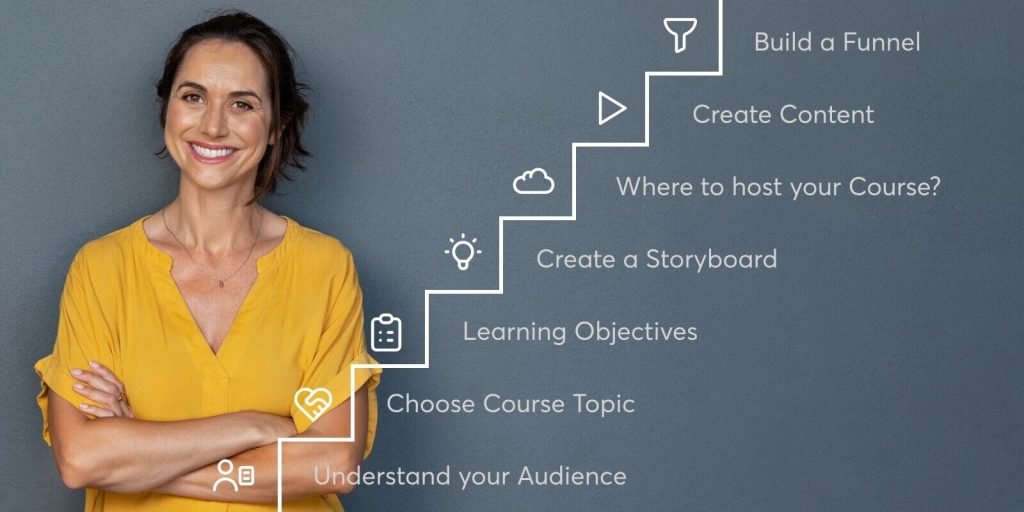
Defining Your Path
When embarking on the journey of self-learning, the first critical step is to define your objectives clearly. This process requires introspection and a keen understanding of what you aim to achieve. Identifying your goals not only offers a clear direction but also empowers you to tailor your learning approach. Ask yourself questions such as: What drives my interest in this skill? Am I looking to change careers, enhance my current job performance, or perhaps pursue a personal interest? For example, a budding entrepreneur in Nigeria might want to acquire digital marketing skills to promote their startup effectively.
Setting Your Priorities
After pinpointing your goals, it is crucial to prioritize them according to your motivations and the time you can dedicate to learning. For better focus, consider breaking down larger goals into smaller, manageable objectives. For example:
- Short-term goal: Complete an online course in the first month.
- Medium-term goal: Build a functional website or portfolio showcasing your projects within three months.
- Long-term goal: Secure a freelance job related to your new skill within six months.
Establishing a well-defined framework not only reduces overwhelm but also builds confidence as you achieve each milestone. This method aligns perfectly with the fabric of Nigeria’s entrepreneurial ecosystem, where many individuals are eager to enhance their skill sets to thrive in competitive markets.
Organizing Your Resources
In tandem with setting priorities, exploring available resources is essential for a structured learning plan. The digital age has made learning more accessible than ever, particularly for those in Nigeria. While platforms like Coursera and Udemy are rich in content, look beyond formal courses to taps into workshops, online webinars, and community groups. For instance, organizations like Andela and NgHub not only provide training but also foster networking opportunities that are invaluable in the learning process.
Furthermore, don’t overlook the vast array of free resources, such as YouTube tutorials, industry blogs, and podcasts, which can supplement your formal education. Balancing different forms of learning can keep your experience dynamic and engaging, enhancing retention and understanding.
The act of self-directed learning allows you immense flexibility to adapt your plan based on progress and feedback. By regularly assessing what techniques and resources resonate most with you, you can refine your approach, optimizing both your learning experience and outcomes.
Ultimately, building a structured learning plan requires a mix of strategic thinking, resourcefulness, and discipline. Embracing these elements not only facilitates efficient knowledge acquisition but empowers you to conquer any challenge associated with mastering a new skill.
Building Your Structured Learning Plan
Creating a structured learning plan is essential for effectively teaching yourself a new skill. This methodical approach not only increases retention but also enhances the overall learning experience. Here are key components to consider when building your learning plan:
1. Define Clear Objectives
The first step is to outline your learning objectives. What specific skills do you wish to acquire? By setting SMART goals—Specific, Measurable, Achievable, Relevant, Time-bound—you can quantify your progress and maintain motivation throughout your learning journey. Consider tracking your goals in a digital tool or a notebook, which can further enhance accountability.
2. Break Down the Skill
Divide the skill into smaller, manageable components. Instead of tackling the entire skill at once, focus on individual facets. For instance, if you’re learning to play the guitar, dedicate time to mastering chords before attempting songs. This fragmented approach allows for better focus and mastery of each section.
3. Incorporate Varied Learning Resources
Explore a mix of learning resources such as online courses, books, tutorials, and podcasts. Different formats provide diverse perspectives and can reinforce concepts. For example, visual learners may benefit from YouTube tutorials, while auditory learners might prefer podcasts or audiobooks.
4. Design a Consistent Schedule
Establish a consistent learning schedule that suits your lifestyle. Dedicating specific time slots throughout the week can create a rhythm and allow you to build upon previous knowledge. Life can be busy, so setting aside short, regular sessions may be more effective than sporadic, lengthy study binges.
5. Assess and Adjust
Regularly assess your progress and be open to adjusting your plan. What’s working? What isn’t? Feedback, whether from self-assessment or peer reviews, can provide valuable insights that inform future learning strategies. Utilize platforms like social media or learning communities to share your progress and seek constructive feedback.By following these steps and maintaining a disciplined approach, you will pave the way for successful skill acquisition. A structured learning plan not only maximizes the efficiency of your study time but also ignites a passion for lifelong learning, enabling you to adapt and grow in an ever-changing world.
| Learning Method | Key Benefits |
|---|---|
| Goal Setting | Provides direction and ensures focus on outcomes. |
| Resource Variety | Diverse formats cater to different learning styles, improving understanding. |
The art of learning is not just about acquiring knowledge but about mastering the process itself. Embrace the structured approach, and empower yourself to teach new skills effectively.
LEARN MORE: This related article may interest you
Establishing a Consistent Learning Routine
As you navigate through your structured learning plan, establishing a consistent learning routine is imperative for long-term success. Consistency breeds mastery, and carving out designated time for learning each week helps integrate the new skill into your daily life. For instance, setting aside an hour each morning before work or dedicating weekends to a more extended study session can significantly increase your retention and motivation. Begin by tracking your learning hours and noting how much progress you make over time—this will not only keep you accountable but also highlight the connection between effort and achievement.
Creating an Engaging Learning Environment
Your surroundings can greatly influence your ability to absorb new information. A well-organized and inspiring workspace can enhance focus and productivity. Make sure that your learning space is equipped with all necessary tools—laptops, study guides, or even a whiteboard for brainstorming ideas. To emulate the workspace of successful innovators in Nigeria, consider personalizing your environment with motivational quotes or images that resonate with your passion for learning. This will foster a positive mindset and encourage you to remain engaged in your studies.
In addition, removing distractions is essential for making the most of your learning time. This could mean silencing notifications on your mobile device, using apps like Forest to stay off your phone, or even utilizing browser blockers to limit social media access during study hours. By creating an environment that promotes concentration, you can ensure a more effective learning experience.
Employing Diversified Learning Techniques
Your journey won’t be linear, and utilizing diverse learning techniques can deepen your understanding while keeping the experience stimulating. Experiment with various styles—reading textbooks, watching instructional videos, engaging in practical exercises, or participating in group discussions can blend theoretical knowledge with practical application. For example, if you’re acquiring programming skills, you might code alongside tutorials on platforms like FreeCodeCamp while also joining online forums such as Reddit’s LearnProgramming to ask questions and share insights.
In Nigeria’s growing tech scene, joining local coding meetups or workshops can provide hands-on experience and invaluable networking opportunities. These interactions often trigger new ideas and insights that propel your learning forward. As you diversify your techniques, you’ll discover which methods resonate most with your learning style, thus enhancing your absorption and retention of knowledge.
Regularly Assessing and Reflecting on Your Progress
Assessment is a cornerstone of effective learning. Implement regular progress evaluations to measure your growth and adjust your plan accordingly. This could include quizzes, practical projects, or even self-assessments to gauge your understanding of the material. For example, if you are learning graphic design, take the time to reflect on your portfolio and solicit feedback from peers or mentors.
Reflection is equally important. After completing a learning session, set aside a few moments to jot down what you achieved, what you found challenging, and how you can improve in the future. This kind of introspection not only cements knowledge but also empowers you to pivot your strategies if needed. In the ever-evolving landscape of skills, being adaptable is a significant asset.
With every step taken, remember that building a structured learning plan is not just about acquiring a new skill, but about evolving into a more competent and self-assured learner. By implementing these strategies and remaining dedicated to your path, you can maximize your potential while navigating the exciting world of self-directed education.
LEARN MORE: This related article may interest you
Conclusion
In today’s fast-paced and dynamic world, building a structured learning plan isn’t merely an advantage; it’s an essential tool that empowers individuals to harness their potential and adapt to evolving challenges. To effectively teach yourself a new skill, consider the comprehensive steps outlined in this article: from establishing a consistent learning routine to regularly assessing and reflecting on your progress. Each step plays a significant role in ensuring that your learning journey is not only productive but also engaging.
As you embark on this path, remember that learning is an ongoing journey. Experimenting with diverse techniques, creating an engaging environment, and finding your rhythm will dramatically enhance your ability to absorb information. Particularly in vibrant ecosystems like Nigeria, leveraging local resources, workshops, and online communities can provide context and connection to your chosen field, making your learning experience richer and more relevant.
Thus, as you refine your approach to learning, remain patient and adaptable. Celebrate your successes, learn from your setbacks, and remember that mastery is a gradual process. With each skill you acquire, you are not just expanding your knowledge base but also stepping into a future filled with possibilities. The key to effective self-education lies in crafting a structured learning plan that resonates with you—one that fuels your passion, encourages curiosity, and propels you forward in your personal and professional growth.