
The effectiveness of mind mapping tools in organizing self-directed learning
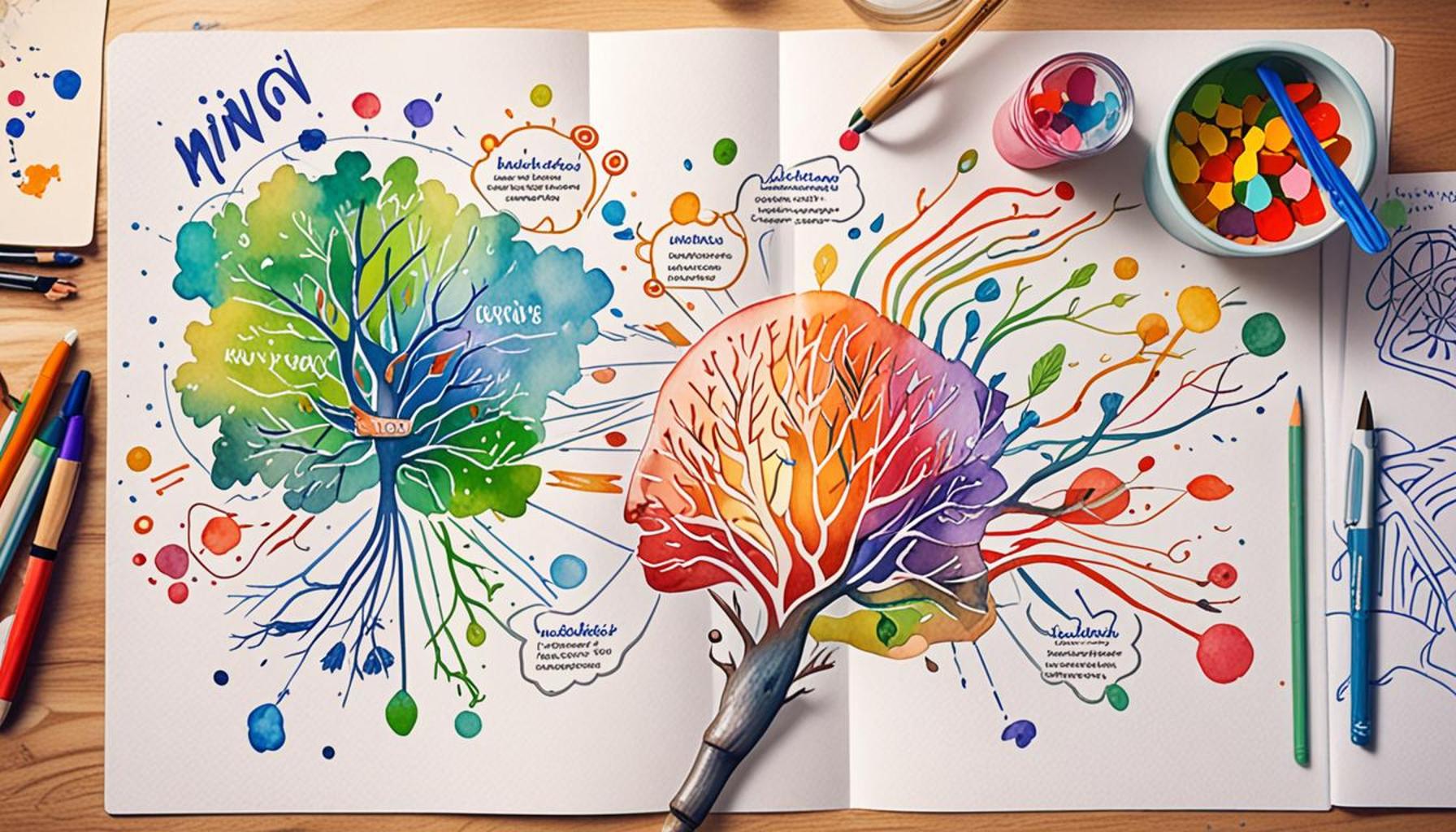
Embracing the Power of Visual Organization in Learning
In a world where information overload is commonplace, learners are seeking tools and strategies that can help them gain clarity and structure in their studies. One such innovative method that has gained traction is the use of mind mapping. This approach not only helps in organizing thoughts but also enhances both creativity and retention, making it an invaluable asset for students and professionals alike.
Why Mind Mapping?
Mind mapping capitalizes on our brain’s natural inclination to think visually. By connecting ideas through images, colors, and symbols, learners can see how different concepts relate to one another, transforming complex information into manageable chunks. Here are some of its prominent benefits:
- Visual Learning: Mind maps allow learners to visualize relationships between disparate ideas, which can be particularly beneficial in fields such as science and literature. For example, a student studying Nigerian history could visually connect significant events to their causes and consequences, leading to deeper understanding.
- Enhanced Memory: When information is structured in a logical, graphical format, it is easier to recall. Research shows that using mind maps can improve retention rates significantly; this can be a game-changer for students preparing for exams or presentations.
- Flexibility: Mind mapping tools cater to a variety of learning styles. Whether a student prefers auditory cues, kinesthetic experiences, or reading/writing methods, mind maps can be customized to suit individual preferences, making them ideal for self-directed study.
In Nigeria, where educational resources can sometimes be limited, innovative tools like XMind and MindMeister have the potential to enhance self-directed learning. These platforms not only provide templates that are easily editable but also enable students to track their learning objectives and reflect on their journeys efficiently. This capability is particularly essential in a country where self-guided education is increasingly critical for academic success, especially among university students and those in remote areas.
Unlocking Potential
The adoption of mind mapping techniques fosters critical thinking skills that are essential for navigating the complexities of today’s world. By allowing learners to dissect problems visually, they can develop unique solutions and viewpoints. As we venture further, we will take a closer look at specific mind mapping tools, their unique functionalities, and real-world applications in enhancing self-directed learning for students across Nigeria.
Moreover, integrating mind mapping with other study methodologies, such as project-based learning or collaborative group studies, can magnify its effectiveness. With appropriate use, mind mapping offers Nigerian learners a pathway not merely to academic success, but to lifelong learning, fostering a generation that is not just well-informed but also innovative and adaptive to change.
SEE ALSO: Click here to read another article
Maximizing Learning Efficiency with Mind Mapping Tools
Mind mapping tools have emerged as powerful instruments in the landscape of self-directed learning, with a significant impact on how learners in Nigeria approach their studies. These tools allow individuals to create a visual representation of their thoughts, streamlining the process of information organization. The efficacy of mind mapping lies not just in its ability to display information but also in the cognitive benefits it offers to learners, which can lead to greater academic performance.
Understanding Mind Mapping Tools
Mental maps, often created through specialized software like XMind and MindMeister, provide a user-friendly platform for students to convert linear notes into vibrant, interconnected visuals. The transition from traditional note-taking to mind mapping can transform a mundane study session into an engaging and dynamic experience. As learners navigate their curriculum, they can benefit from the following aspects of mind mapping tools:
- Clarity of thought: Mind mapping encourages learners to break down complex subjects into simple ideas, thus clarifying their understanding. For example, a student tackling environmental science can outline the relationship between various ecological factors, making the material less daunting.
- Improved organization: By structuring information visually, students can better track their progress and identify knowledge gaps. This organizational skill is particularly advantageous in the Nigerian educational context, where students often juggle multiple subjects and deadlines.
- Enhanced focus: Mind maps promote concentration by allowing students to interact with the material actively. This heightened engagement can lead to increased motivation, as learners see their thought processes materialize in real-time.
As students in Nigeria strive to create effective study habits, the role of mind mapping tools cannot be overstated. When these tools are integrated into self-directed learning, they nurture an environment where exploration and curiosity thrive. The nature of self-directed learning often requires students to take initiative, setting their own goals and pacing their studies. Mind mapping lends itself ideally to these qualities, enabling learners to visualize their educational path and adjust as necessary.
Real-World Applications
In practical terms, mind mapping can be implemented in various educational scenarios. For instance, during group projects, students can collaboratively build a mind map to brainstorm ideas and distribute tasks, fostering teamwork and enhancing communication skills. Furthermore, individuals preparing for exams can create mind maps for quick revision, encapsulating essential topics and linking related concepts, which can ultimately yield higher retention rates.
In Nigerian universities, where resource availability might be constrained, the incorporation of mind mapping tools provides students with a flexible and powerful solution for organizing their studies. As we delve deeper, we will explore specific case studies that showcase how mind mapping tools have reshaped the learning journeys of students across the nation.
| Advantages | Description |
|---|---|
| Enhanced Clarity | Mind mapping tools visually represent information, making concepts clear and easy to follow. |
| Improved Recall | By organizing information visually, these tools can aid in better memory retention, crucial for self-directed learners. |
In addition to the key advantages presented above, it is essential to note that mind mapping tools can enhance organization within the learning process. They allow learners to create a structured layout of ideas, which can facilitate quicker access to information whenever needed. This systematic approach helps in breaking down complex subjects into manageable segments, fostering a deeper understanding.Moreover, mind mapping tools encourage creativity and engagement, stimulating brain activity. They can serve as a blank canvas, inviting learners to explore ideas freely while maintaining a coherent structure. This element of creativity is not only beneficial for self-directed learning but also engages learners effectively in the process.Furthermore, many mind mapping applications come with collaborative features, allowing multiple users to work on a map simultaneously. This collaborative aspect can lead to a richer exchange of ideas, making it an invaluable resource for learners who thrive on feedback and shared insights. As learners can edit and refine maps together, they develop new perspectives, thus enhancing their overall learning experience.Utilizing mind mapping tools can transform traditional self-directed learning methods, paving the way for a more dynamic and interactive approach to education.
LEARN MORE: This related article may interest you
Leveraging Mind Mapping for Individual Learning Paths
As self-directed learning becomes increasingly vital, particularly in a diverse educational landscape like Nigeria’s, the role of mind mapping tools in personalizing learning experiences cannot be underestimated. These tools not only aid in the organization of thoughts but also empower students to construct their unique learning pathways, making education both relevant and impactful.
Facilitating Personalized Learning Experiences
One of the standout features of mind mapping tools is their adaptability. Students can tailor their mind maps to reflect their individual learning objectives, preferences, and challenges. For instance, a student majoring in business administration may use a mind map to outline various business models, incorporating real-world examples from Nigerian startups. This level of personalization enhances the relevance of the material and fosters a deeper connection with the subject matter.
Additionally, mind mapping aids in identifying diverse learning methods suitable for different topics. Some students may benefit from visual learning, while others might find more success using auditory or kinesthetic approaches. By enabling learners to experiment with mind maps documenting these strategies, students can develop a keen awareness of their learning preferences. Consequently, this reflective practice encourages better self-regulation and autonomy in their educational pursuits.
Increasing Collaboration Among Peers
In the context of self-directed learning, collaboration can significantly enrich the educational experience, and mind mapping serves as an ideal facilitator. By sharing digital mind maps via platforms like Google Drive or collaborative apps such as Miro, students can engage in constructive peer discussions, enriching their perspectives on various subjects. For instance, a study group preparing for a science project can collectively build a mind map that encompasses diverse ideas and research sources, leading to a comprehensive understanding of the topic.
- Encouraging feedback: Collaborating on mind maps enables students to critique and refine their thoughts, fostering a culture of constructive feedback and team learning.
- Diverse viewpoints: The integration of varied insights contributes to a richer learning environment, promoting inclusivity and a broader understanding of course material.
Moreover, the Group and Individual Projects in institutions like the University of Lagos demonstrate that collaborative mind mapping not only disseminates knowledge but also builds interpersonal skills that are essential in today’s job market. This collaborative approach cultivates enduring partnerships, which further enhances students’ organizational skills and emotional intelligence.
Tracking Progress and Enhancing Accountability
Another significant advantage of mind mapping tools is their utility in progress tracking. As self-directed learners navigate their courses, they can use mind maps to visualize their accomplishments and areas needing attention. This ongoing evaluation promotes a sense of accountability and ownership over one’s learning journey. For instance, a student pursuing mathematics can create a mind map that outlines topics studied, problem-solving techniques, and areas where they excel or require additional support.
The visual nature of mind maps encourages students in Nigeria to celebrate small victories and stay motivated, even when facing challenges in their studies. By seeing how individual concepts connect and build upon one another, learners can develop a clearer understanding of their academic growth, ultimately leading to improved performance and retention rates.
As self-directed learning continues to evolve, the appeal of mind mapping tools will undoubtedly grow among students. Their ability to foster personalized, collaborative, and accountable learning experiences makes them indispensable in a modern educational context, especially in a dynamic nation like Nigeria, where innovation and adaptability are key to success.
SEE ALSO: Click here to read another article
Conclusion
In the realm of self-directed learning, the prominence of mind mapping tools is unmistakable. They not only aid in the organization of educational material but also foster an environment where learners can explore and cultivate their individualized academic journeys. The flexibility and adaptability of these tools allow students in Nigeria and beyond to personalize their learning, making complex subjects more accessible and relevant to their personal contexts.
Moreover, the collaborative aspect of mind mapping encourages knowledge-sharing among peers, enhancing critical thinking and creativity. As students come together to build and refine mind maps, they develop essential teamwork skills and create a supportive learning culture. This is particularly crucial in Nigeria’s diverse educational landscape, where inclusive learning experiences can bridge gaps in understanding and foster a sense of belonging.
Tracking progress through mind maps offers a unique approach to accountability, enabling learners to visualize their achievements and identify areas for growth. This practice not only enhances motivation but also cultivates a deeper sense of ownership over one’s education. It reflects a fundamental shift towards more autonomous learning models, empowering students to take charge of their academic pursuits.
In conclusion, as educators and learners continue to embrace innovative approaches to education, the effectiveness of mind mapping tools in organizing self-directed learning will only become more significant. Their role in fostering personalized experiences, collaborative learning, and accountability positions them as invaluable resources in the ever-evolving landscape of education in Nigeria and worldwide. For students eager to expand their horizons and optimize their learning processes, exploring these tools is an essential step toward achieving educational success.