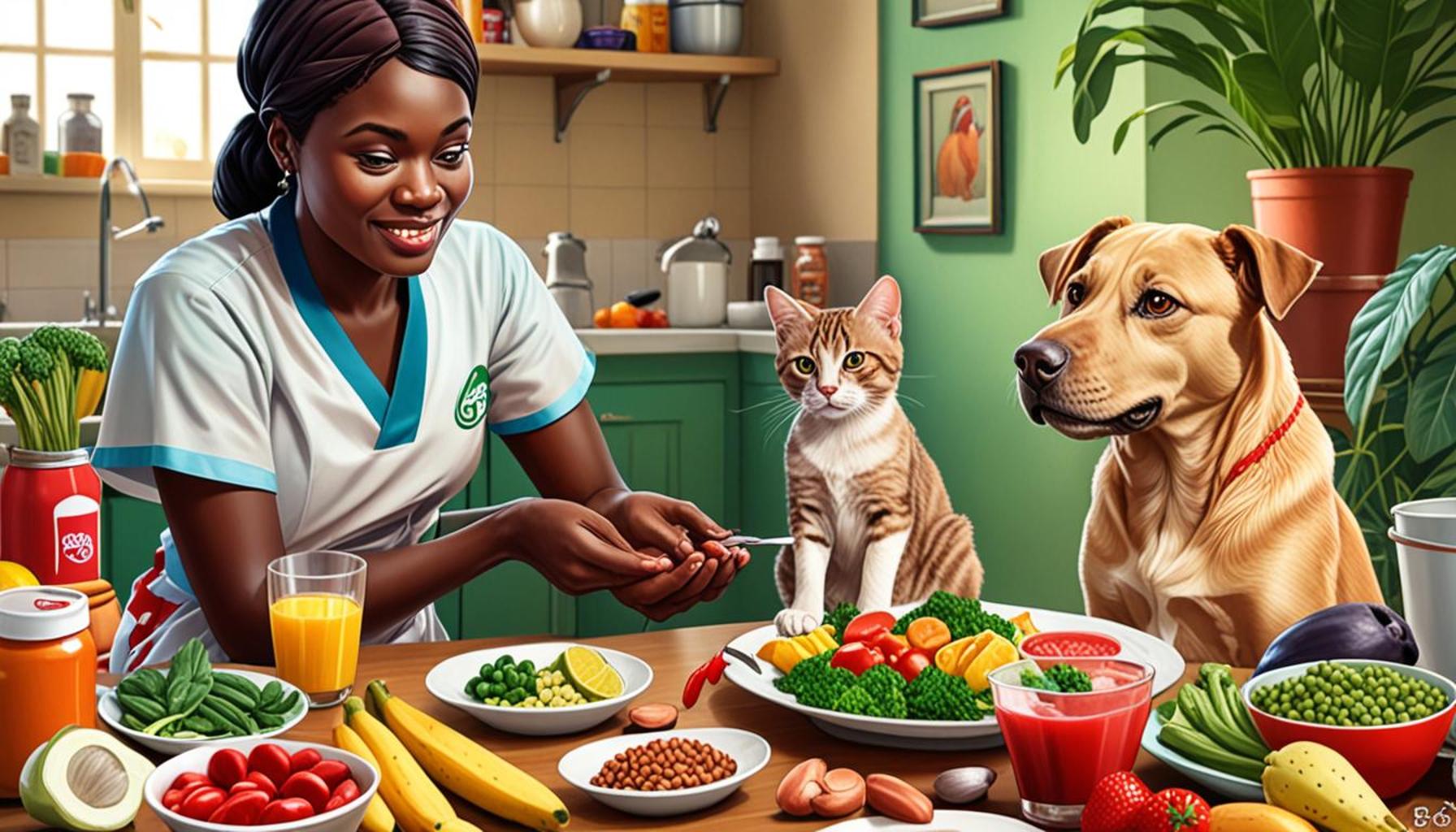
The Importance of Balanced Nutrition for the Health of Dogs and Cats in Nigeria
The Importance of Proper Nutrition for Pets
Understanding the essential role of balanced nutrition for pets, particularly dogs and cats, is not merely a trend but a necessary practice that influences their health and happiness. In Nigeria, where pet ownership is on the rise, educating pet owners about nutritional needs can transform pet care standards. The impact of proper nutrition goes beyond just physical growth; it is also integral to maintaining mental health, emotional well-being, and overall quality of life.
Key Benefits of Balanced Nutrition
- Prevents Disease: A proper diet rich in essential nutrients fortifies the immune system. Pets that receive balanced diets, including adequate proteins, fats, carbohydrates, vitamins, and minerals, are less vulnerable to diseases such as obesity, diabetes, and cardiovascular issues. For instance, incorporating antioxidants from fruits and vegetables can enhance your pet’s immunity.
- Enhances Growth: Puppies and kittens have unique dietary requirements that support their rapid growth and development. Providing appropriate levels of calcium and phosphorus is crucial for the development of healthy bones, while proteins are vital for muscle growth. Regularly consulting with a veterinarian about proper growth milestones can help owners adjust diets as necessary.
- Improves Longevity: A balanced diet can contribute to a longer, healthier life for pets. Studies suggest that pets on well-rounded diets can live several years longer than those on inadequate diets. Just as with humans, a nutritious diet helps avert the risk of age-related diseases, promoting vitality even as pets age.
Despite these benefits, many pet owners in Nigeria face challenges in understanding what comprises a balanced diet for their furry friends. Traditional feeding practices, such as feeding pets primarily with leftovers or minimal food varieties, can lead to nutritional imbalances. Moreover, local climate and limited access to diverse food sources could make it even more challenging to provide the necessary nutrients. Thus, recognizing the right food sources is essential.
Common Nutritional Misconceptions
- Meat Only Diets: There is a pervasive belief that pets require exclusively meat, often overlooking critical components like vitamins and minerals that promote overall health. A diet too high in protein can lead to kidney problems, especially in older pets.
- Homemade Meals: While preparing homemade meals for pets can be rewarding, it requires careful planning to balance nutrition effectively. Without expert guidance, these meals risk leading to nutritional deficiencies, such as a lack of necessary vitamins that can only be found in specific grains and vegetables.
- Commercial Foods: The pet food market is filled with a wide array of options, but not all commercial products are of the same quality. Pet owners should scrutinize labels for complete and balanced formulations, ensuring that the food meets the standard requirements set forth by organizations such as the Association of American Feed Control Officials (AAFCO).
Addressing these misconceptions and enhancing knowledge about balanced nutrition is vital for pet owners in Nigeria. This educational journey not only promotes better health for dogs and cats but also increases the joy and satisfaction of pet ownership. By investing time in understanding their pets’ dietary needs, owners can ensure a happier and healthier life for their beloved companions.
SEE ALSO: Click here to read another article
Navigating Nutritional Needs in Nigeria
As pet ownership continues to grow in Nigeria, many pet owners find themselves at a crossroads when it comes to understanding the nutritional needs of their dogs and cats. The diverse landscape of the country, with its varying climates and access to resources, can often complicate the quest for a balanced diet. This is crucial since pets, like humans, depend heavily on a variety of nutrients to maintain not just physical health, but also emotional stability and longevity.

Recognizing Essential Nutrients
A balanced diet for pets consists of several key components that must be tailored to their specific life stages, activity levels, and health conditions. Here are some essential nutrients to consider:
- Proteins: These are the building blocks for a pet’s body, critical for maintaining muscle mass and overall growth. Quality sources of protein include meat, fish, and eggs, which are not always readily available or affordable for many Nigerians.
- Carbohydrates: While often overlooked, carbohydrates provide energy and should come from digestible sources like rice or millet. These grains can be mixed into meals, offering both nutrition and satiety.
- Fats: Essential fatty acids, like Omega-3 and Omega-6, play a vital role in skin health and coat quality. In Nigeria, fish oil or flaxseed can serve as excellent sources of healthy fats.
- Vitamins and Minerals: Micronutrients are vital for various bodily functions, from bone development to immune response. Fruits and vegetables like carrots, sweet potatoes, and leafy greens should be incorporated, as they not only provide essential vitamins but also add variety to a pet’s diet.
Nevertheless, the awareness of these dietary components remains limited among many pet owners in Nigeria. A lack of understanding can lead to common issues such as obesity, which is an increasing concern. Obesity can trigger a cascade of health problems, including joint disorders and metabolic syndromes. Pet owners may often perceive that feeding their pets more is an act of love, but it is essential to prioritize the quality over quantity of food.
Cultural Influences on Pet Feeding Practices
Cultural practices strongly influence how pets are fed in Nigeria. Many households may rely heavily on traditional Nigerian dishes, repurposing leftovers and staples for their pets. While this might be a convenient solution, it often fails to provide the balanced nutrition dogs and cats require. Furthermore, foods that are well-suited for human consumption, such as beans or spicy dishes, can be harmful to pets. This highlights the need for pet owners to differentiate between what is suitable for human diets and what is beneficial for their furry friends.
Consequently, there is a pressing necessity to educate pet owners on how to provide a balanced diet while considering local conditions and food availability. By increasing awareness of balanced nutrition for dogs and cats, we can foster healthier pets and, in turn, create a more fulfilling and rich pet ownership experience in Nigeria.
In exploring the importance of balanced nutrition for the health of dogs and cats in Nigeria, it becomes crucial to understand the direct impact of quality food on the well-being of pets. Many pet owners often underestimate how proper nutrition can prevent a multitude of health issues, from obesity to chronic diseases. This perspective becomes increasingly significant in Nigeria where awareness about pet health and nutrition is still evolving.
One of the key benefits of a well-balanced diet is enhanced immunity. High-quality ingredients rich in essential vitamins and minerals help strengthen the immune system, reducing the likelihood of infections and illnesses. Additionally, it supports healthy skin and fur, which is particularly critical in Nigeria’s varying climate, where pets may be subject to skin diseases and parasites.
Moreover, a balanced diet contributes to improved behavioral health. Pets with proper nutrition are often more energetic and less prone to behavioral issues. It’s not uncommon for dogs and cats fed with inappropriate diets to exhibit anxiety and aggression. Understanding the correlation between diet and behavior can encourage pet owners to choose their pets’ food more wisely.
To aid in better decision-making regarding pet nutrition, here’s a relevant table highlighting some essential categories and benefits:
| Category | Details |
|---|---|
| Nutrient-Rich Ingredients | Utilization of whole meats, grains, and vegetables |
| Prevention of Disease | Reduced risk of diabetes and heart problems |
This table serves as a guiding tool for pet owners striving to understand the diverse aspects of their pets’ nutritional needs. Fostering this awareness can create a more informed approach to feeding dogs and cats, potentially leading to a lifestyle filled with vitality and happiness.
YOU MAY ALSO LIKE: Read read another article
Addressing Common Misconceptions About Pet Nutrition
Despite the growing awareness of the importance of balanced nutrition for dogs and cats, several misconceptions persist among pet owners in Nigeria that hinder optimal pet health. One notable belief is that all commercial pet foods are of equal quality and nutritional value. However, the reality is that not all pet food is created equal. Just as with human food, some brands offer premium ingredients and balanced formulas designed to meet specific nutritional needs, while others might rely on fillers and unhealthy additives.
Pet owners must become savvy consumers, learning to read ingredients lists and understanding the implications of various components. For instance, an ingredient like meat by-products often indicates lower-quality protein sources, while named meats, such as chicken or beef, signify higher quality. Additionally, understanding the nutritional specifications set by organizations like the Association of American Feed Control Officials (AAFCO) can guide owners towards healthier feeding choices even when sourcing products locally.
The Role of Supplements and Treats
Another misconception involves the assumption that pets can thrive on table scraps or single-ingredient diets. While it may seem cost-effective to feed dogs or cats leftovers from meals, this practice does not adequately provide the essential nutrients they need. Moreover, relying on one type of food can lead to deficiencies, which can manifest in various health issues such as skin problems, weakened immune systems, or digestive disorders.
Integrating supplements can help combat the nutritional inadequacies often observed in homemade diets or subpar commercial offerings. Common supplements such as omega fatty acids for skin health or glucosamine for joint support can be a beneficial addition. However, it is critical for pet owners to consult with a veterinarian before introducing new supplements, as incorrect dosages or unnecessary use can have adverse effects.
Seasonal and Regional Dietary Considerations
Nigeria’s diverse climates and seasons present additional factors that influence pet nutrition. In the rainy season, for example, pets may be more susceptible to gastrointestinal issues related to a change in diet or food supply. Consequently, pet owners should ensure that their pets eat high-quality, easily digestible food that helps maintain an optimal gut flora. Furthermore, during seasonal festivities, when families may share more food with their pets, it becomes essential to educate pet owners on which treats are safe and healthful to share, especially during celebrations like Christmas or Eid.
A focus on regional sourcing can also support better dietary practices for pets. For instance, local crops such as cassava, yam, and pumpkin can be beneficial when prepared properly and their nutrient profiles understood. These ingredients can be integrated into a pet’s diet, boosting nutritional content while supporting local agriculture and reducing transportation costs.
Ultimately, a nuanced understanding of how to navigate pet nutrition, including educational resources and community support, can empower pet owners to enhance the overall well-being of their dogs and cats. It is crucial for local veterinary services to play a leading role in advocating the principles of balanced nutrition, ensuring that pets across Nigeria receive the diet they deserve for a healthier, happier life.
RECOMMENDED: Check out this similar article
Conclusion
In conclusion, the significance of balanced nutrition for the health of dogs and cats in Nigeria cannot be overstated. As pet ownership continues to rise and urbanization reshapes lifestyle choices, the need for educational efforts surrounding proper pet nutrition becomes even more pressing. By challenging common misconceptions and promoting an understanding of high-quality ingredients, pet owners can ensure their beloved companions receive the essential nutrients necessary for a vibrant, healthy life.
Moreover, incorporating local dietary considerations tailored to Nigeria’s climatic variations and traditional practices—such as utilizing locally sourced crops for home-prepared meals—can enhance nutrition while supporting the economy. Engaging with veterinary professionals for guidance on supplements and making informed choices regarding commercial pet food can further bridge the gap in nutritional knowledge. As pet lovers, it is our responsibility to advocate for our pets’ health by being vigilant about their nutritional intake.
Additionally, fostering a community that values pet health awareness can lead to a more profound cultural shift regarding animal care. From pet food manufacturers to veterinarians, all stakeholders must collaborate toward establishing standards that guarantee high-quality nutrition for pets. Consequently, a well-cared-for dog or cat not only contributes to a happier household but also embodies the essence of responsible pet ownership in Nigeria. The journey to better pet nutrition starts with us—let’s ensure our cats and dogs receive the healthy, balanced diets they deserve for a lifetime of companionship and joy.