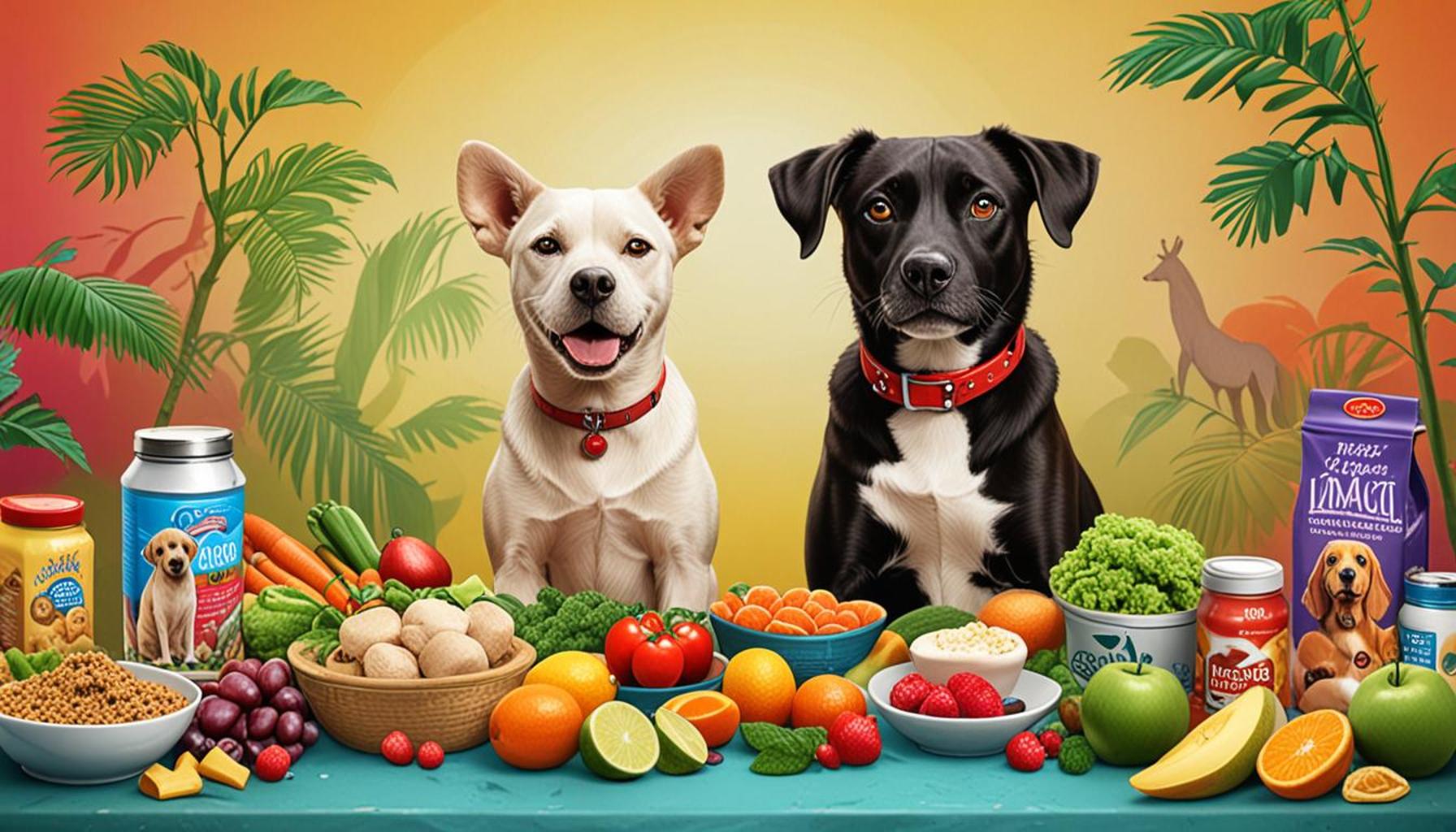
Natural Foods vs. Commercial Feed: What is Better for Pet Nutrition?
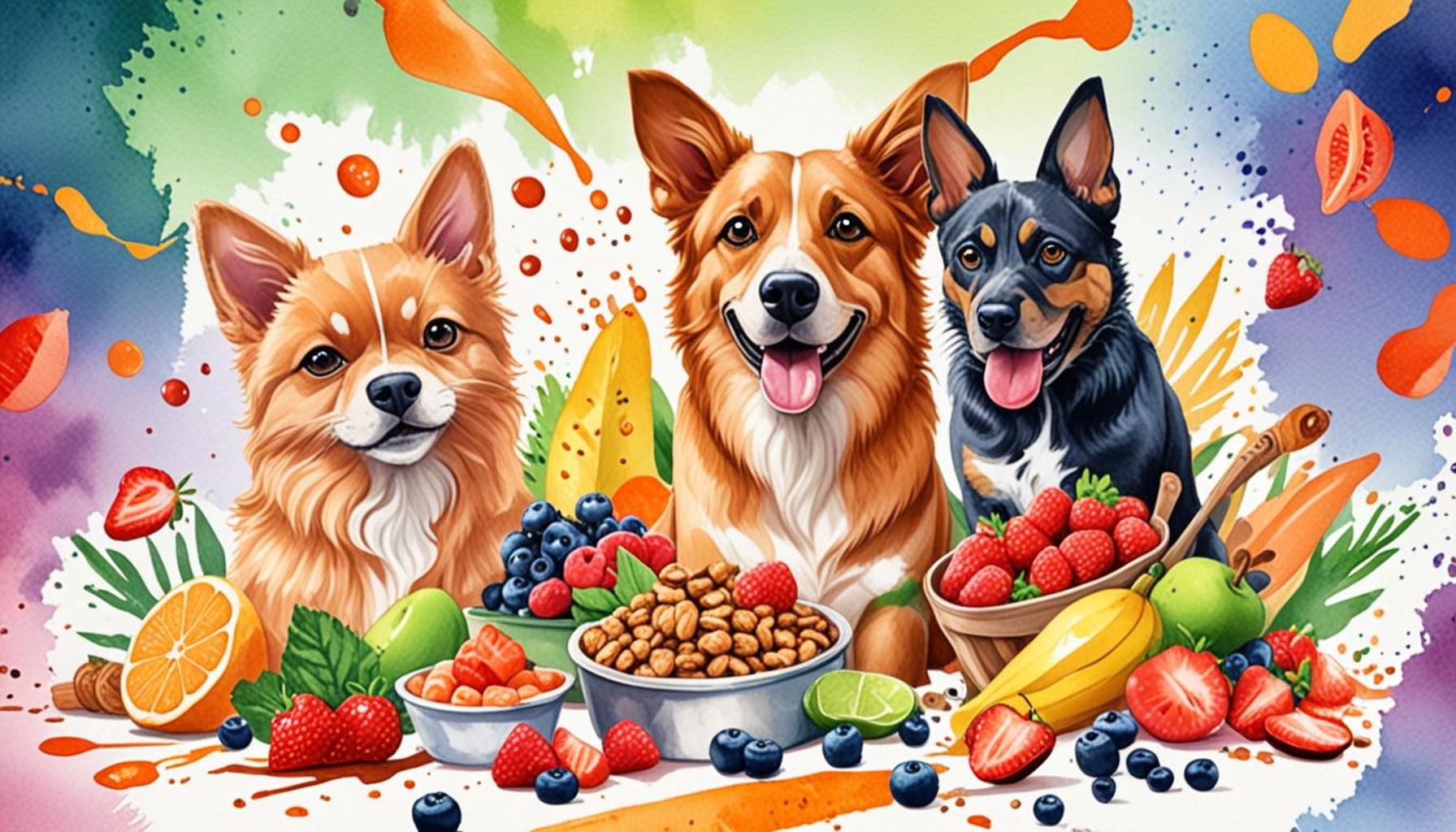
Understanding Pet Nutrition Choices
Choosing between natural foods and commercial feed for our pets can be a daunting task, especially for pet owners in Nigeria. The options are plentiful, and the implications of our choices can significantly affect our furry companions’ overall health and well-being. As we dive deeper into this topic, it’s essential to consider key aspects of pet nutrition that can impact our decisions.
Ingredients Matter
One of the foremost concerns for pet owners is the ingredients in pet food. Natural foods, often consisting of fresh meats, fish, vegetables, and grains, are appealing for their simplicity and clarity. For instance, a homemade dog diet might include locally sourced chicken, yam, and spinach, which are easily recognizable and can provide great nutritional value.
On the other hand, commercial feeds can vary widely in their ingredient lists. While some reputable brands emphasize high-quality protein and wholesome grains, others may contain numerous fillers or artificial additives. Ingredients like corn and soy are frequently used as cost-cutting measures, compromising the quality of food available for our pets. Therefore, understanding labels and sourcing information about the brand is crucial for owners seeking to provide their pets with healthy options.
Nutritional Value: A Vital Component
Nutritional value is another pivotal point of consideration. Pets require specific vitamins and minerals to thrive, and both natural and commercial foods can offer these if selected wisely. For instance, dogs need essential fatty acids for healthy skin and coats, while cats require taurine, an amino acid crucial for heart health.
When opting for natural foods, pet owners may need to ensure a balanced mix of nutrients and potentially supplement with veterinary-approved vitamins and minerals. This meticulous attention to balancing nutrients can go a long way in promoting longevity. In contrast, many commercial feeds are formulated to meet specific nutritional standards, providing a straightforward solution for busy pet owners who prioritize convenience.
Cost: An Important Factor
Cost can be a significant concern for many pet owners. In Nigeria, where fresh produce can vary in price depending on seasonality and availability, natural diets might come with fluctuating costs. While some pet owners might be willing to invest in premium quality ingredients, others may find that commercial feeds offer a more budget-friendly option without compromising essential nutrition.
However, it is essential to understand that cheaper doesn’t always mean better. Some low-cost commercial products might save money upfront but could lead to health issues down the line, incurring higher veterinary costs. Therefore, it is vital to consider long-term health implications when weighing the cost of pet food.
Making an Informed Decision
As we navigate through the vast landscape of pet nutrition, it becomes clear that both natural foods and commercial feeds have their unique advantages and challenges. The decision ultimately rests with the pet owner, guided by their priorities and their pet’s specific needs.
In conclusion, gaining a comprehensive understanding of ingredients, nutritional value, and cost will empower pet owners in Nigeria to make informed choices. This journey to uncover what really nourishes our pets will foster both healthier animals and more educated owners, leading us to create a loving environment where our furry friends can thrive.
CHECK OUT: Click here to explore more
Weighing the Pros and Cons
As pet owners embark on the journey to determine the best nutrition for their companions, it becomes clear that both natural foods and commercial feed come with their advantages and disadvantages. Understanding these elements can facilitate informed choices that align with both the needs of the pet and the preferences of the owner.
Benefits of Natural Foods
Opting for natural foods presents several advantages that appeal to many conscientious pet owners. The commitment to serving meals made from fresh, whole ingredients resonates with the belief that wholesome nutrition leads to better health. Here are some of the noteworthy benefits of a natural diet:
- Freshness: Natural foods are typically unprocessed and can contain higher nutrient content, promoting overall well-being.
- Transparency: Pet owners have complete control over what goes into their pets’ meals, allowing them to avoid harmful additives often found in commercial products.
- Customization: Dietary choices can be tailored to meet the specific health needs of each pet, be it weight management, allergies, or diet sensitivities.
For instance, local pet owners in Nigeria might choose to prepare meals with ingredients like goat meat, millet, and assorted leafy greens, all of which are nutritious and familiar. Such combinations can enhance palatability and provide a diverse array of nutrients.
Challenges of Natural Foods
However, natural foods are not without their challenges. Preparing balanced meals can be time-consuming and may require a steep learning curve. Pet owners might find themselves needing to consult with veterinarians or pet nutritionists to ensure proper nutrient balance. Additionally, the risk of contamination from local sources cannot be ruled out, making hygiene and safe food handling a priority.
Commercial Feed: Convenience and Nutritional Standards
For many busy pet owners, the simplicity and convenience of commercial feeds can be highly appealing. Many top-tier commercial brands invest in research and development to formulate their products to meet specific nutritional guidelines, ensuring that pets receive a balanced diet in each meal. The convenience factor extends far beyond just ease of preparation:
- Consistency: Commercial pet foods provide a standardized nutrient profile, reducing concerns about imbalances in homemade diets.
- Availability: These products are easily accessible in local stores, making mealtimes quick and straightforward for pet owners.
- Affordability: Many brands offer various price points, allowing owners to select options that suit their budgets without sacrificing essential nutrition.
However, not all commercial feeds are created equal. Some may contain low-quality ingredients, fillers, or artificial additives that raise red flags for discerning pet owners. The importance of scrutinizing labels and choosing reputable brands cannot be overstated.
Finding a Middle Ground
Ultimately, the pet nutrition debate—natural foods vs. commercial feed—presents both a challenge and an opportunity for pet owners to explore. The perfect diet may lie somewhere in between, incorporating the best of both worlds. With a little research and vigilance, pet owners can craft an approach that harmonizes the benefits of fresh ingredients with the reliability of commercial formulations, ensuring their pets thrive in every aspect of their lives.
As pet owners dive deeper into the debate of Natural Foods vs. Commercial Feed, it’s imperative to explore the distinct benefits and potential drawbacks of each option. Advocates for natural foods often point to the quality of ingredients as a pivotal factor. Natural pet foods typically contain fewer artificial additives and preservatives, promoting better overall health and reducing the risk of allergic reactions. Additionally, real meats, fruits, and vegetables can contribute essential nutrients that support your pet’s immune system, energy levels, and skin health.
On the other hand, commercial pet foods are manufactured under strict regulations and undergo comprehensive testing, ensuring consistency and safety in each batch produced. Many brands offer a balanced formulation tailored to specific dietary needs, whether for puppies, seniors, or pets with medical conditions. These commercial options often include vital supplements such as omega fatty acids and joint supporters that might be absent in home-cooked diets.
However, it is crucial to consider the processing methods used in commercial feed, as high temperatures and extended shelf lives can impact nutrient potency. Therefore, understanding the ingredients list and choosing reputable brands plays a significant role in ensuring your pet receives optimal nutrition. Ultimately, the decision between natural foods and commercial feed should be based on your pet’s unique needs, preferences, and any underlying health concerns.
| Advantages of Natural Foods | Advantages of Commercial Feed |
|---|---|
| Whole ingredients, less processing | Formulated for balanced nutrition, consistent results |
| Fewer allergens, potential health benefits | Targeted nutritional support for various life stages |
With an array of options available, pet owners are encouraged to educate themselves on the characteristics of each diet type to ensure they are making informed choices that promote health and longevity for their beloved companions.
YOU MAY ALSO LIKE: Read read another article
Assessing Nutritional Adequacy
To make an informed choice between natural foods and commercial feed, pet owners must carefully assess the nutritional adequacy of both options. This involves understanding the essential nutrients required for optimal health and examining how each feeding choice meets these needs.
Understanding Nutritional Needs
Pets, much like humans, require a balanced diet rich in proteins, carbohydrates, fats, vitamins, and minerals. The cornerstone of any healthy diet revolves around meeting these dietary requirements. For instance, dogs typically require a diet that maintains a protein content of around 18-25%, depending on their life stage, while cats, being obligate carnivores, thrive on protein-rich diets comprising at least 25-30% protein. Pet owners must also be aware of the specific needs based on breed, size, and activity level; for example, working dogs may necessitate higher caloric intake compared to sedentary pets.
The Role of AAFCO Standards
In many countries, including Nigeria, commercial feeds are often formulated to meet guidelines set by the Association of American Feed Control Officials (AAFCO), which ensures that these products meet the basic nutritional profiles for various life stages. This objective third-party regulation adds a layer of confidence for pet owners considering the many brands available. However, not all commercial feeds adhere to these standards, making it crucial for consumers to read labels and seek out products that mention AAFCO compliance explicitly.
Natural Foods and Nutritional Gaps
While natural foods provide the advantage of using whole ingredients, they can pose risks for nutritional gaps unless meticulously planned. For example, while a diet consisting solely of rice and chicken may be appealing and straightforward, it lacks essential nutrients such as calcium or certain B vitamins that are crucial for pet health. Consequently, those who choose natural foods might find it necessary to incorporate supplements or consult with veterinarians to ensure a complete and balanced diet.
Cultural Factors and Local Diets
In Nigeria, local pet owners often have access to a variety of natural foods that may not only enhance nutrition but also expose pets to foods that resonate with local culinary traditions. Common ingredients such as beans, fish, yam, and assorted vegetables can be beneficial. However, it is essential to recognize that not every food safe for human consumption is also safe for pets. For instance, while onions and garlic are prevalent in Nigerian cuisine, they can be toxic to both cats and dogs. Awareness of these common pitfalls is vital in maintaining pet health.
The Cost Factor of Natural vs. Commercial
Affordability often guides pet owners’ decisions. While natural foods can sometimes come at a premium—especially when using high-quality, organic ingredients—commercial feeds may present a more budget-friendly option. However, it is necessary to assess the potential long-term health costs associated with feeding lower-quality commercial food, which may lead to health complications like obesity or allergies. In Nigeria, local markets may offer opportunities to access fresh ingredients at a lower cost, facilitating the option for natural feeding while managing expenses.
Ultimately, both natural foods and commercial feed require passionate and informed decisions from pet owners. As the landscape of pet nutrition evolves, understanding these crucial factors is essential for ensuring the best health outcomes for beloved family pets.
YOU MAY ALSO LIKE: Read read another article
Conclusion: Navigating the Pet Nutrition Dilemma
The debate between natural foods and commercial feed in pet nutrition is far from straightforward. As pet owners in Nigeria are increasingly becoming aware of the nutritional needs of their furry companions, it is essential to weigh the benefits and challenges associated with both feeding approaches. While commercial feeds offer the reassurance of meeting AAFCO compliance standards, ensuring basic nutritional adequacy, they can vary widely in quality. On the other hand, natural foods present a holistic alternative that may resonate culturally and provide fresh, clean ingredients but necessitate careful planning to avoid potential nutritional gaps.
It is crucial for pet owners to consider the individual needs of their pets, taking into account factors like age, breed, and specific health conditions. As advocated by veterinarians, a hybrid approach—combining high-quality commercial food with natural ingredients—might be a promising way to capture the benefits of both feeding methods. Furthermore, understanding local dietary practices and available resources can empower Nigerian pet owners to create a balanced diet that is both nutritious and accessible.
Ultimately, the choice between natural foods and commercial feed should be guided by knowledge, personal values, and an ongoing dialogue with veterinary professionals. By staying informed and proactive, pet owners can enhance the well-being of their pets, steering them towards a vibrant, healthy life.